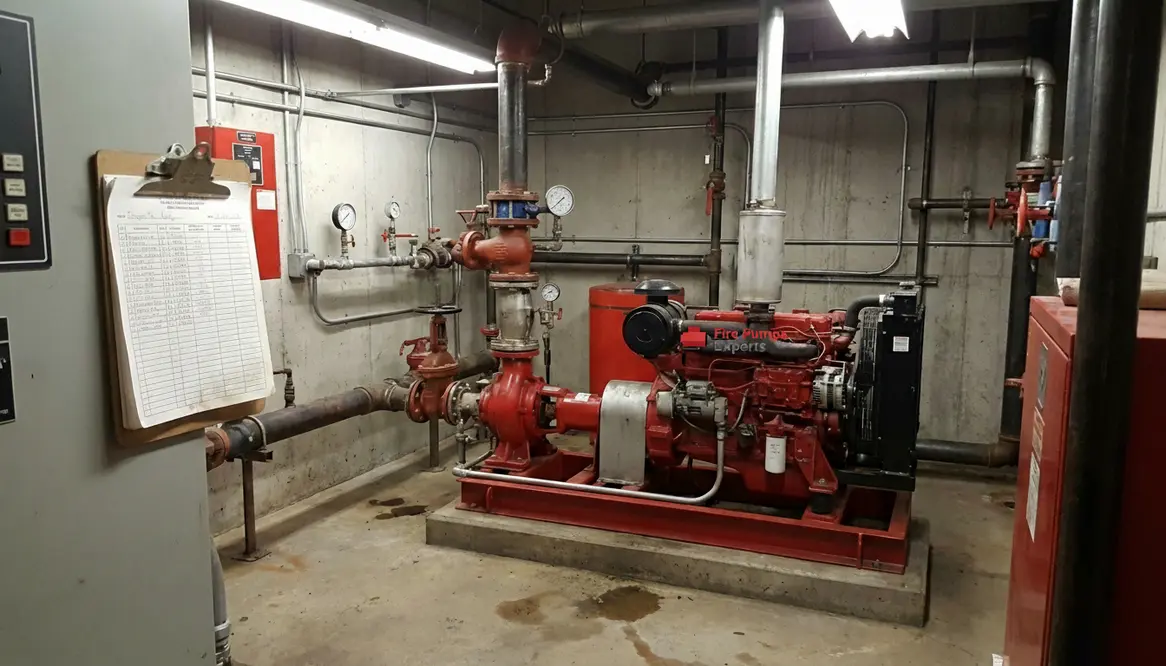
Baltimore Fire Pump Code Guide for Commercial Buildings
A practical, boots-on-the-concrete walkthrough of how the Baltimore fire pump code shapes real-world fire protection in commercial and industrial buildings.
I have spent enough time in mechanical rooms to know that a fire pump is not just another piece of equipment humming in the background. It is the quiet hero waiting for its cue. And when we talk about the Baltimore fire pump code, we are talking about a rulebook that decides whether that hero shows up ready or trips over its own boots. In commercial and industrial buildings across Baltimore, these codes are not suggestions. They are the difference between controlled risk and headline news. So let me walk you through what actually matters, without the jargon fog.
What does the Baltimore fire pump code actually require?
I get this question a lot, and honestly, it is a fair one. The Baltimore fire pump code pulls heavily from NFPA 20, but Baltimore adds its own local flavor. Think of it like a classic recipe with a few extra spices.
First, the pump must deliver enough pressure and flow to meet the building’s fire protection demand. That sounds simple, but the calculation ties into sprinkler design, standpipe systems, and building height. Moreover, the system must include a reliable power source. In many cases, that means a dedicated electrical feed or a diesel driven pump.
Then there is the matter of placement. The pump room must be accessible, protected, and built to resist fire exposure. After all, putting a fire pump in a vulnerable spot is like hiding your lifeboat under the deck.
Finally, testing and maintenance requirements are strict. Weekly churn tests and annual flow tests are not optional. The city expects documentation, and yes, inspectors do read it.
Designing for compliance in large scale commercial buildings
When I design or review systems for high rise offices or industrial facilities, I start with one principle. The fire pump is part of a larger ecosystem. Therefore, every decision must support the whole system and align with the Baltimore fire pump code from the very first sketch.
For example, I always coordinate pump capacity with sprinkler hazard classifications. A warehouse storing plastics will demand far more than a typical office floor. In addition, I account for friction loss in piping, elevation changes, and future expansion so that a system does not quietly fall out of compliance five years after opening.
Another critical factor is redundancy. While not always required, adding backup components can save a project from catastrophic downtime. And let us be honest, downtime in a commercial facility is about as welcome as a surprise audit.
Key design priorities
- Accurate hydraulic calculations
- Reliable power supply selection
- Proper pump room construction
- Integration with alarm systems
Common design pitfalls
- Undersized pumps for future demand
- Poor coordination with electrical systems
- Ignoring room ventilation needs
- Incomplete documentation
When these priorities and pitfalls are managed with the Baltimore fire pump code in mind, you end up with a system that does not just pass inspection but performs under pressure when it matters.
Inspection, testing, and keeping the system honest
Now here is where things get real. You can install the best system in the world, but if you do not maintain it, it becomes a very expensive paperweight.
Baltimore requires routine inspection and testing that follows NFPA standards closely. However, the local enforcement tends to be strict, especially in large commercial properties. Weekly no flow tests verify that the pump starts and runs. Annual flow tests confirm performance under load, proving the system still satisfies the Baltimore fire pump code performance expectations.
In addition, controllers, valves, and alarms must be checked regularly. I have seen systems fail simply because a valve was left closed after maintenance. It is the kind of mistake that would make even Batman question his life choices.
Power sources and reliability planning under Baltimore fire pump code
Power reliability deserves its own spotlight. After all, a fire pump without power is just a very heavy decoration.
Electric pumps are common in commercial buildings, but they must connect to a dependable source. This often includes a dedicated utility connection. Meanwhile, diesel pumps offer independence from the grid, which can be critical during widespread outages.
Furthermore, the controller must meet strict standards for automatic operation. When pressure drops, the system must respond instantly. No hesitation. No drama. Just action.
I always recommend evaluating risk scenarios. For example, what happens if the primary power fails during a storm? Or if maintenance takes a system offline? Planning for these situations is not overkill. It is smart engineering that keeps you in step with the intent of the Baltimore fire pump code rather than just the bare text.
If you want to see how professional teams handle inspection, testing, and ongoing fire pump maintenance, you can look at how specialists approach it here: fire pump service, inspection, and maintenance examples. Adapting that level of rigor to Baltimore’s requirements will put your system on very solid footing.
Common compliance mistakes I see in commercial properties
Even experienced teams can miss details. And in Baltimore, those details matter.
One frequent issue is improper documentation. Inspectors expect clear records of tests, maintenance, and system performance. Without them, compliance becomes difficult.
Another problem is outdated equipment. Buildings evolve, but sometimes the fire pump system does not keep up. As a result, capacity falls short of current needs and quietly drifts away from what the Baltimore fire pump code assumes about available flow and pressure.
Then there is coordination failure. Mechanical, electrical, and fire protection systems must work together. When they do not, the whole setup suffers. It is like assembling the Avengers but forgetting to invite Iron Man.
FAQ about fire pump requirements in Baltimore
These quick answers will not replace the code book, but they will keep your next project meeting from going off the rails.
Final thoughts and next steps
If you manage or develop a commercial property in Baltimore, do not treat fire pump compliance as a checkbox. Treat it as a system that protects lives, assets, and your reputation. The Baltimore fire pump code is the minimum; real-world reliability is the goal.
That means understanding how your pump, sprinklers, standpipes, and power sources behave as a single organism, and making sure inspections and documentation tell a clear story that any inspector can follow.
I can help you evaluate, design, or upgrade your setup so it meets every expectation without surprises. Reach out today, and let us make sure your fire protection system performs exactly when it is needed most. Quietly, reliably, and without excuses.