Portland Fire Pump Design Codes and System Safety
I have spent years watching how rules shape real world systems, and few things show that better than Portland fire pump design. In this city, fire codes are not just paperwork. They quietly guide every pipe, valve, and control panel inside large commercial and industrial buildings. And while that may not sound thrilling at first, trust me, there is a certain poetry in how safety, engineering, and regulation come together. Think of it like a well directed film. You may not see the director, but everything works because of them.
Why Local Codes Set the Tone for Every System
In Portland, fire codes act like a strict but fair conductor. They keep everything in rhythm. Because of that, every fire protection system must meet very specific standards tied to water supply, seismic safety, and building use.
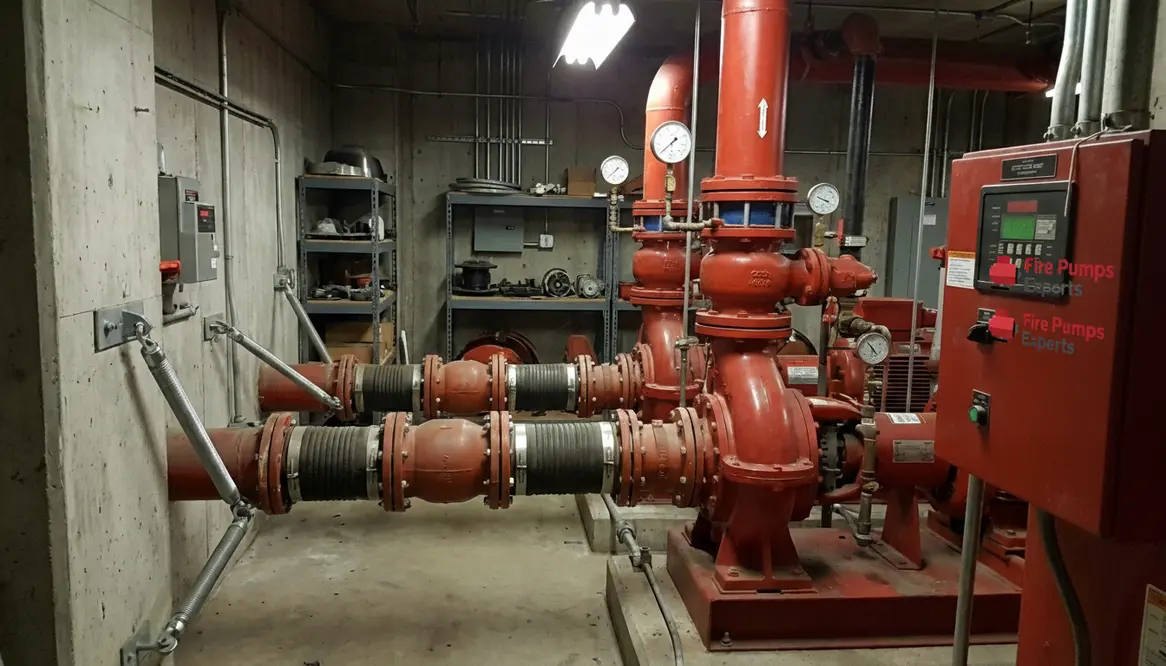
For example, Portland sits in an area where seismic concerns are real. So, fire pumps are not just designed for flow and pressure. They must also remain stable during ground movement. That means reinforced anchoring and flexible connections. Without those adjustments, a system could fail when it matters most.
Additionally, local authorities require detailed testing and redundancy. That ensures a pump does not just exist on paper. It performs under stress. And yes, inspectors will absolutely notice if something is off. They are a bit like movie critics, except the stakes are much higher than a bad review.
How Portland Fire Pump Design Adapts to Water Supply Challenges
Water supply in Portland varies more than people expect. Some commercial zones have strong municipal pressure, while others need serious reinforcement. Because of this, designers cannot rely on a one size solution.
Instead, they evaluate available flow, pressure fluctuations, and peak demand. Then, they size pumps accordingly. In many industrial facilities, this means installing high capacity pumps that can compensate for low pressure during critical moments.
Moreover, backup systems are not optional. Local codes push for reliability. That includes secondary power sources and, in some cases, diesel driven pumps. Because when the grid goes down, the system still needs to perform. No excuses.
What Engineers Consider When Designing for Large Facilities
I often think of large facilities as small cities. They have complex layouts, high occupancy, and valuable assets. So, fire pump design must match that complexity.
Key Considerations
- Building height and layout
- Hazard classification
- System demand curves
- Integration with sprinklers and standpipes
Code Driven Requirements
- Minimum flow rates
- Pressure thresholds
- Seismic bracing standards
- Routine testing protocols
Because each factor connects, engineers must think ahead. If one piece fails, the entire system can struggle. It is a bit like a band. If the drummer loses tempo, everyone feels it.
Do Fire Codes Slow Down Innovation?
Not really. In fact, they often push it forward. While codes can feel strict, they create a baseline that encourages smarter solutions.
For instance, modern control systems now allow real time monitoring of pump performance. That helps facility managers catch issues early. At the same time, energy efficient designs are becoming more common, even within code limits.
So yes, there are rules. But within those rules, there is room to build something better. Think of it like cooking with a recipe. You still get to add your own flair, just do not forget the salt.
Inspection, Testing, and the Reality of Compliance
Designing a system is only half the story. Keeping it compliant is where the real discipline shows up. Portland requires routine inspection and testing, and those checks are not casual.
Monthly, weekly, and annual tests ensure pumps start correctly and deliver expected performance. Any deviation can trigger corrective action. And for large commercial properties, downtime is not just inconvenient. It is costly.
Because of that, many facilities invest in proactive maintenance strategies. It is easier to fix a small issue early than to explain a failure later. No one wants that meeting.
If that sounds familiar, it is probably because the same mindset drives strong service programs. Teams like those at Kord Fire Protection spend their days making sure problems are found early, documented clearly, and resolved before they become expensive headlines.
How Portland Fire Pump Design Supports Long Term Safety
When everything comes together, the result is a system built for endurance. Portland fire pump design reflects a balance between strict code compliance and practical engineering.
These systems are not just installed and forgotten. They evolve with building upgrades, occupancy changes, and new safety standards. That adaptability keeps facilities protected over time.
And honestly, there is something reassuring about that. Like knowing your seatbelt works without thinking about it. Quiet reliability is the goal.
When you look closely, you can see how Portland fire pump design ties together electrical reliability, mechanical resilience, and code driven checks into one continuous system. Each part backs up the others, which is exactly what you want when the alarms sound.
FAQ
What makes Portland fire codes unique?
They emphasize seismic safety, reliable water supply, and strict testing standards for commercial and industrial systems.
Do all large buildings need a fire pump?
No, but many require one when municipal pressure cannot meet system demand.
How often are fire pumps tested?
Most systems require weekly and annual testing, depending on configuration and code requirements.
Can fire pump systems be customized?
Yes, designs are tailored to building size, hazard level, and available infrastructure while staying code compliant.
What happens if a system fails inspection?
Repairs or upgrades must be completed quickly to restore compliance and ensure safety.
Bringing It All Together
If you manage a commercial or industrial property, now is the time to take a closer look at your fire protection system. A well executed design does more than meet code. It protects people, assets, and operations without hesitation. Connect with experts who understand Portland requirements and can guide your next step with clarity and confidence. Because when safety is on the line, guesswork is not a strategy.
In the end, Portland fire pump design is really about trust. Trust that the water will be there, that the power will hold, that the pump will start, and that the system you invested in will respond exactly when you need it. The rules, inspections, and design choices all exist to earn that trust long before a single sprinkler head opens.