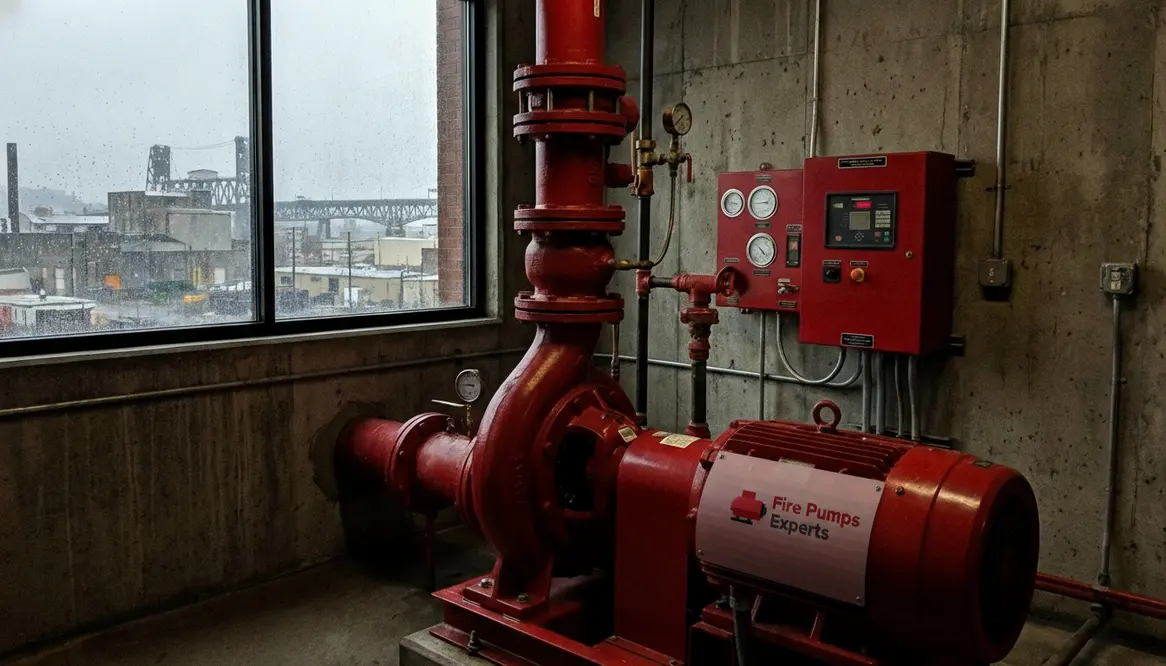
Portland Fire Pump Design Codes and System Planning
I have spent years watching how rules quietly shape the systems we depend on. And when it comes to Portland fire pump design, those rules are anything but quiet. They speak through pressure ratings, pipe sizing, and the steady hum of a system that must never fail. In a city known for rain, bridges, and just enough unpredictability to keep engineers humble, local fire codes don’t just guide design. They define it. And yes, sometimes they do it with the subtlety of a smoke alarm at 3 a.m.
At a Glance: Why Portland Fire Pump Design Is Different
- Local amendments layered on top of NFPA standards
- Seismic reality baked into every support, anchor, and brace
- Municipal water that is reliable, but not always predictable in pressure
- Inspectors who notice everything you hoped they wouldn’t
The Core Questions This Guide Answers
- How do Portland codes actually influence fire pump layout and sizing?
- What do inspectors look for beyond “it turns on”?
- How do water supply quirks reshape decisions on Portland fire pump design?
- How can you future proof a system without rebuilding it later?
Why Local Fire Codes Set the Tone for Every System
Portland does not play copy and paste with national standards. While it leans on NFPA guidelines, it adds its own flavor. As a result, every commercial and industrial system I design must adapt to local amendments that reflect the city’s infrastructure, water supply realities, and seismic concerns.
For example, I often account for stricter seismic bracing. This is not just paperwork. It directly affects pump anchoring, piping flexibility, and long term durability. Moreover, local officials expect clear compliance documentation, which means I design with inspection in mind from day one.
And yes, if you think skipping a small code detail will go unnoticed, think again. Inspectors here have the observational skills of a detective in a crime drama. Nothing slips by.
How Codes Show Up in Real Portland Fire Pump Design Work
- Extra scrutiny on pump room layout and access paths
- Stronger expectations for anchorage and seismic restraint
- Closer review of documentation, labels, and testing plans
- More conversations about long term reliability, not just day one performance
How Water Supply Conditions Shape Fire Pump Decisions
Water in Portland is reliable, but not always predictable in pressure. Therefore, I approach each project like a puzzle. I evaluate municipal supply data, seasonal fluctuations, and system demand before selecting pump capacity.
Consequently, many large facilities require pumps that compensate for pressure drops during peak usage. This is especially true for high rise commercial buildings and sprawling industrial campuses.
In practice, that means I often design systems with higher safety margins. Not because I enjoy overengineering, but because fire protection leaves no room for “close enough.” Hollywood might celebrate last minute saves. Fire systems do not.
Key Water Questions Before Committing to a Pump
- What is the lowest realistic municipal pressure during peak demand?
- How much additional headroom does the building’s height require?
- What happens to system performance if the city supply dips just when sprinklers need it most?
- How will future expansions strain the existing pump capacity?
These questions are where thoughtful Portland fire pump design earns its keep long before anyone pulls a fire alarm.
What Do Portland Inspectors Actually Look For?
Short answer: everything that matters and a few things you didn’t think would.
Inspectors focus heavily on accessibility, testing capability, and long term reliability. Therefore, I ensure pump rooms allow proper clearance, controls are intuitive, and test headers are easy to use without disrupting operations.
Additionally, documentation plays a huge role. Clear labeling, accurate system diagrams, and maintenance plans are not optional. They are expected.
And here is the thing. A beautifully designed system that fails inspection is about as useful as a superhero without powers. It looks good, but it is not saving anyone.
Top Inspection Targets
- Clear, unobstructed access to the fire pump room
- Readable and accurate labels on valves, controllers, and test points
- Evidence of regular testing and maintenance
- Code compliant routing of power and emergency power feeds
How to Make Inspections Less Painful
- Design with test procedures in mind from day one
- Keep documentation close to the pump room, organized, and current
- Use intuitive layouts so nothing feels like a maze of pipes and valves
- Anchor decisions in recognized standards and clearly note local code drivers
Portland Fire Pump Design and Seismic Reality
Designing in Portland means respecting the ground beneath your feet. Seismic considerations influence everything from pump mounting to pipe routing. As a result, I select components that can handle movement without compromising performance.
Flexible couplings, reinforced supports, and strategic layout decisions all come into play. Furthermore, I coordinate closely with structural teams to ensure alignment between building design and fire protection systems.
It is a bit like choreography. Every component has to move together, even under stress. And while I would love to say it is as graceful as a ballet, it is closer to a carefully controlled action scene.
Seismic Moves That Protect Your Fire Pump Investment
- Anchoring the pump and controller to structural elements designed for movement
- Using flexible couplings on critical pipe transitions
- Routing key piping away from likely damage zones and heavy equipment paths
- Coordinating early with structural engineers instead of arguing with concrete later
Balancing Efficiency and Compliance in Large Facilities
Commercial and industrial properties demand more than basic compliance. They need systems that operate efficiently over time. Therefore, I design with both code and performance in mind.
Code Driven Priorities
- Minimum flow and pressure requirements
- Redundant power sources
- Clear access for maintenance and testing
- Alarm and monitoring integration
Operational Priorities
- Energy efficient pump selection
- Reduced wear through smart controls
- Ease of maintenance for facility teams
- System longevity under heavy use
When these priorities align, the result is a system that not only passes inspection but also performs reliably for years. And that is the goal. Because downtime in a major facility is not just inconvenient. It is expensive.
Tying It Together: Smart Portland Fire Pump Design
The sweet spot is a design that meets or beats every code requirement, while operating quietly in the background without chewing through energy or maintenance budgets. That is the benchmark I use every time I work on Portland fire pump design for a high consequence facility.
How I Future Proof Fire Pump Systems in Portland
Codes evolve. Buildings expand. Demands increase. Therefore, I design with the future in mind.
I often include capacity for system upgrades, whether through scalable pump configurations or adaptable control systems. Additionally, I consider how new technologies can integrate without requiring a complete overhaul.
Think of it like planning a sequel before the first movie even premieres. It saves time, money, and a lot of headaches later on.
Future Proofing Moves That Pay Off
- Leaving space and capacity for adding a second or larger pump later
- Choosing controllers that can integrate with upgraded monitoring platforms
- Providing isolation valves and headers that make future tie-ins less painful
- Documenting system assumptions so the next upgrade does not start from scratch
All of this reinforces why thoughtful Portland fire pump design is less about “today’s project” and more about the next twenty years of reliable protection.
FAQ: Portland Fire Pump Design
What codes govern fire pump systems in Portland?
Local amendments to NFPA standards, plus city specific requirements for seismic safety and inspections.
Do all commercial buildings need a fire pump?
No. It depends on water supply and system demand. Large or high rise buildings often do.
How often must fire pumps be tested?
Typically weekly or monthly checks, with annual performance testing required.
What is the biggest design challenge in Portland?
Balancing seismic requirements with consistent water pressure and system reliability.
Can systems be upgraded later?
Yes. Smart design allows for expansion without major reconstruction.
Need Help Translating Codes into a Working System?
If your facility is moving from theory to implementation, pairing this planning mindset with specialized service makes life easier. For a deeper look at inspection, maintenance, and testing best practices beyond Portland, explore this practical guide to fire pump servicing from Kord Fire Protection: fire pump servicing and reliability strategies. It is a useful complement to local code focused Portland fire pump design work.
Conclusion
Designing fire pump systems in Portland is not about meeting minimums. It is about building resilience into every detail. If you manage a commercial or industrial property, now is the time to evaluate whether your system meets both current codes and future demands.
Thoughtful Portland fire pump design means your system respects seismic reality, navigates inconsistent pressures, satisfies sharp eyed inspectors, and still runs efficiently on a normal Tuesday. When all of that comes together, the result is a quiet kind of confidence built into pipes, pumps, and controllers.
Let’s design something that performs when it matters most, passes every inspection, and stands the test of time. Reach out and take the first step toward a safer facility today.