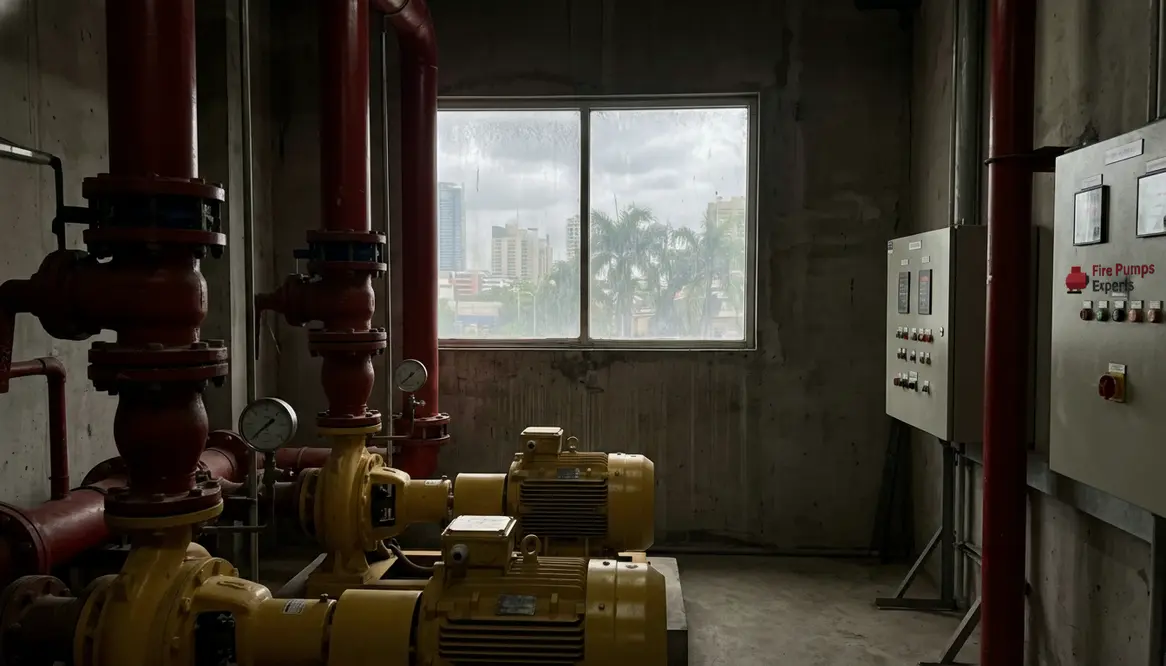
Miami Orlando Mixed Use Fire Pumps Guide
I have spent years walking through mechanical rooms that most people never think about. The hum of a fire pump system is not glamorous, but it is the quiet guardian of every major property. When it comes to Miami Orlando mixed-use fire pumps, the stakes rise fast. These buildings combine residential, retail, hospitality, and office spaces under one roof. That means more people, more risk, and far less room for error. So today, I am breaking down what really matters, without the fluff, and maybe with a light joke or two because, frankly, even fire pumps deserve a little personality.
Why mixed-use fire pumps feel different
In a simple warehouse, you design around one type of risk. In a mixed-use tower, you are juggling condos, restaurants, offices, parking, maybe a rooftop lounge, and someone’s pet spa. Fire pump design in that environment is not just about flow and pressure; it is about strategy, priorities, and making sure every corner gets the water it needs when things go sideways.
Understanding Fire Pump Demands in Mixed-Use Buildings
Mixed-use buildings are like juggling flaming swords while riding a unicycle. Impressive, but risky if you are not careful. Each occupancy type brings its own fire protection demand. Residential floors need steady pressure, while commercial spaces may require higher flow rates. Meanwhile, parking garages and high-rise sections add their own complications.
Because of this, I always design systems that can handle peak demand across all zones simultaneously. In Miami and Orlando, building height and density often push systems into high-pressure territory. Therefore, fire pumps must deliver consistent performance even during worst-case scenarios. And yes, worst case means everything going wrong at once, not just a small kitchen mishap.
Core demand drivers you cannot ignore
- Simultaneous occupancy loads from residents, shoppers, visitors, and office staff
- Vertical distance to top floors pushing pressure limits
- Garages and podium levels with their own hazard classifications
- Unique amenities like pools and rooftop decks that shift hydraulics and layout
Miami Orlando Mixed-Use Fire Pumps Code Essentials
Florida codes do not leave much room for interpretation. Between NFPA 20, NFPA 13, and local amendments, the requirements are precise and enforced. I always tell clients that compliance is not optional, it is survival with paperwork.
For Miami Orlando mixed-use fire pumps, I focus on a few key elements. First, proper pump sizing based on hydraulic calculations, not guesswork. Second, redundancy when required, especially in high-rise or mission-critical buildings. Third, reliable power sources, often including backup generators.
Additionally, Miami introduces hurricane considerations, while Orlando leans heavily on rapid urban growth and high occupancy turnover. So, although the rules may look similar on paper, the application can feel like two different movies. One is a coastal thriller, the other a fast-paced city drama.
Code-focused checklist
- Verify NFPA 20 and NFPA 13 applicability for every occupancy type
- Map out high-rise criteria early to avoid redesigns later
- Coordinate generator sizing with pump starting currents
- Account for local amendments that quietly change the rules of the game
What Does an Ideal System Setup Look Like?
An ideal setup is not just about meeting code. It is about creating a system that works flawlessly under pressure. I typically start with a split-zone approach. This allows different building sections to operate efficiently without overloading a single pump.
Then, I incorporate vertical turbine or split-case pumps depending on water supply conditions. In coastal areas like Miami, corrosion resistance becomes critical. Meanwhile, in Orlando, I pay closer attention to municipal supply variability.
Finally, controls and monitoring systems tie everything together. Modern fire pump controllers provide real-time data, which means facility managers can spot issues before they become disasters. Think of it as having a smoke detector that also texts you before the smoke even shows up.
A simple blueprint for Miami Orlando mixed-use fire pumps
- Split zones for residential, commercial, and amenity levels
- Careful pump selection based on water source and elevation
- Smart controllers tied into the building’s monitoring platform
- Corrosion-resistant materials where coastal exposure is an issue
Key Components That Make or Break Performance
Mechanical Strength
I always prioritize durable pump casings, reliable valves, and properly rated piping. These are not the places to cut corners. A weak component can compromise the entire system.
Electrical Reliability
Backup power is non-negotiable. In Florida, storms do not politely schedule themselves. Therefore, generators and automatic transfer switches must respond instantly.
Control Systems
Advanced controllers help maintain pressure stability. They also reduce false starts and unnecessary wear, which extends system life.
Maintenance Access
If a technician cannot easily access the equipment, maintenance will suffer. And when maintenance suffers, systems fail. It is that simple.
If you want real-world examples of what can go wrong when those basics are ignored, just look at the inspection and testing stories that come out of major metro areas. The properties that treat Miami Orlando mixed-use fire pumps as an afterthought are usually the ones booking emergency repairs at the worst possible times.
Design Challenges Unique to Miami and Orlando
Every region has its quirks. Miami deals with salt air, high water tables, and hurricane exposure. So, I often elevate equipment and select corrosion-resistant materials. Orlando, on the other hand, faces rapid expansion and varying infrastructure reliability. This requires flexible system designs that can adapt over time.
Moreover, mixed-use developments in both cities often include luxury features. Rooftop amenities, underground garages, and high-end retail spaces all increase fire protection complexity. Consequently, I approach each project like a custom build rather than a template solution.
And let us be honest, if a building has a rooftop pool and three coffee shops, it deserves a fire protection system that works just as hard as the barista during morning rush.
That is also why I often point owners and property teams toward specialized partners when they are planning upgrades or inspections. A provider that lives and breathes fire pumps, like the team behind the services at Kord Fire’s dedicated fire pump systems page, understands how much margin for error you really do not have.
Inspection, Testing, and Long Term Reliability
Installation is only half the story. After that, routine inspection and testing keep everything operational. I always emphasize weekly churn tests, annual flow tests, and regular system audits. These are not optional checkboxes. They are the difference between readiness and regret.
In large commercial and industrial properties, even a minor failure can disrupt thousands of occupants. Therefore, consistent maintenance ensures that mixed-use fire pump systems in Miami and Orlando remain dependable year after year.
A maintenance rhythm that actually works
- Weekly churn tests to confirm basic operation and catch early issues
- Monthly visual checks on valves, gauges, and controllers
- Annual full-flow tests under realistic demand conditions
- Periodic audits of sequence of operations and documentation
FAQ: Fire Pump Requirements for Mixed-Use Buildings
Below are some of the most common questions that come up when owners and developers start planning Miami Orlando mixed-use fire pumps for real projects.
Conclusion
If you are managing or developing a major property, do not leave fire protection to chance. I design and support systems that meet code, handle real-world stress, and keep people safe without compromise. When it comes to fire pumps, precision matters. Reach out today and let us build a system that performs exactly when it is needed most, no drama, no guesswork, just reliability you can trust.
Treating Miami Orlando mixed-use fire pumps as a strategic investment instead of a last-minute checkbox does more than keep inspectors happy. It protects residents, supports businesses, and keeps your building standing tall on the day you hope never comes.