NYC vs NYS Fire Codes for Fire Pump Systems
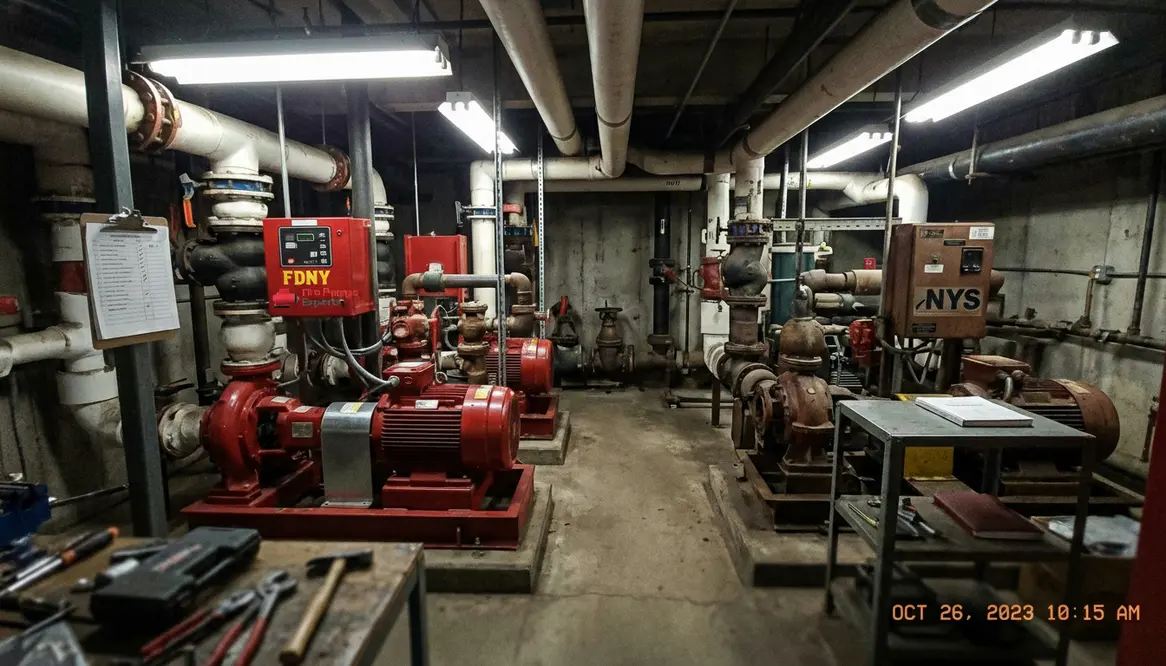
I have spent years walking mechanical rooms that hum like quiet engines beneath the surface of New York. And if there is one thing I have learned, it is this: the New York City vs New York State fire codes conversation is not just paperwork. It is a living, breathing difference that shapes how fire pumps are designed, installed, and maintained across commercial and industrial buildings. In fact, within the first few steps of any inspection, I can usually tell which side of that divide I am standing on. And yes, the rules may look similar at a glance, but much like spotting the difference between a New York slice and something from upstate, the details tell the real story.
How do fire pump requirements differ across regions?
Let me answer this the way most building owners wish someone had earlier. The difference comes down to oversight, density, and expectations. New York City operates under its own fire code, layered with local amendments that often push beyond state standards. Meanwhile, the rest of New York follows the state code, which aligns more closely with national standards like NFPA.
Because of that, I see stricter inspection schedules and tighter documentation requirements inside the city. In contrast, upstate facilities often enjoy more flexibility, though that does not mean less responsibility. It simply means the enforcement style feels less like a Broadway director and more like a steady stage manager.
As a result, commercial and industrial facilities in NYC must plan for higher scrutiny, especially in high rise or high value properties where fire pumps serve as the backbone of suppression systems.
New York City vs New York State fire codes in system design
When I step into the design phase, the gap becomes even clearer. New York City expects redundancy, durability, and precise compliance. That often translates into additional components, enhanced monitoring, and stricter placement rules.
On the other hand, state code allows designs that follow NFPA standards more directly. While still robust, these systems may not require the same level of customization.
New York City Focus
- More rigorous redundancy requirements
- Detailed plan approvals and reviews
- Enhanced alarm integration
- Closer coordination with FDNY
New York State Focus
- NFPA aligned system design
- Streamlined approval processes
- Flexible layout options
- Local authority oversight
And while both paths lead to compliant systems, the journey feels very different. One is like navigating Times Square at rush hour. The other feels more like a calm highway drive, though you still need to keep your eyes on the road.
Inspection and testing expectations you cannot ignore
Now, here is where things get serious. Because fire pumps are not “set it and forget it” equipment. They demand attention, and each jurisdiction enforces that attention differently.
In New York City, inspections and testing cycles are tightly regulated, often requiring detailed logs and frequent verification. Inspectors expect consistency, and they will notice gaps faster than a seasoned detective in a crime drama.
Meanwhile, across the rest of the state, testing still follows NFPA schedules, but enforcement tends to be less intense. However, I always tell clients this: just because someone is not watching as closely does not mean you should relax. Fire pumps do not care about geography when they fail.
Therefore, commercial facilities benefit from adopting NYC level discipline even outside the city. It is simply a smarter way to protect assets and people.
If you want a deeper look at NFPA driven expectations, resources like fire pump testing requirements can help translate standards into real-world routines.
Permitting and approvals in complex properties
If you have ever dealt with permits in New York City, you already know it can feel like assembling IKEA furniture without instructions. However, every step exists for a reason.
NYC requires detailed submissions, multiple agency interactions, and often extended review timelines. This ensures that fire pump systems meet the highest standards before they ever turn on.
In contrast, New York State jurisdictions typically offer a more straightforward permitting path. That said, large scale commercial and industrial buildings still face rigorous checks, especially when systems serve critical operations.
Consequently, planning ahead becomes essential. Delays in approvals can ripple through construction schedules, and nobody wants a fire pump holding up a multi million dollar project. That is a plot twist no one enjoys.
New York City vs New York State fire codes in maintenance strategy
Maintenance is where theory meets reality. And in my experience, this is where many facilities either shine or struggle.
Within New York City, ongoing maintenance must align with strict documentation and performance benchmarks. Records are not optional. They are expected, reviewed, and sometimes scrutinized in detail.
Across New York State, maintenance programs still follow national standards, but operators often have more flexibility in how they execute them. Even so, I advise sticking to a disciplined routine regardless of location.
Because at the end of the day, a fire pump does not negotiate. It either works, or it does not. And when it does not, the consequences move quickly and without mercy.
The smartest move is to treat the strictest interpretation of New York City vs New York State fire codes as your baseline, not your ceiling, and build your maintenance culture around that.
Why this matters for large commercial and industrial buildings
Let me bring this home. If you manage a high value property, a manufacturing facility, or a large scale commercial site, these code differences are not academic. They directly impact cost, risk, and operational continuity.
Moreover, aligning your system with the stricter side of the New York City vs New York State fire codes spectrum often provides long term benefits. You gain reliability, smoother inspections, and fewer surprises when authorities show up.
And let us be honest, surprises are great for birthday parties, not for fire protection systems.
Think of it this way: treating the toughest elements of the New York City vs New York State fire codes as your standard toolkit pushes your entire fire pump strategy toward resilience instead of bare-minimum compliance.
FAQ
The questions below come up constantly when facilities teams start to unpack how New York City vs New York State fire codes shape their fire pump decisions.
Conclusion
If you are responsible for a commercial or industrial facility, understanding these code differences is not optional. It is essential. The gap between New York City vs New York State fire codes decides how your fire pumps are designed, approved, tested, and trusted under pressure.
I help property owners align their fire pump systems with the highest standards, whether in New York City or beyond. Reach out today, and let us make sure your system is not just compliant, but ready when it matters most. Because in this business, readiness is everything.