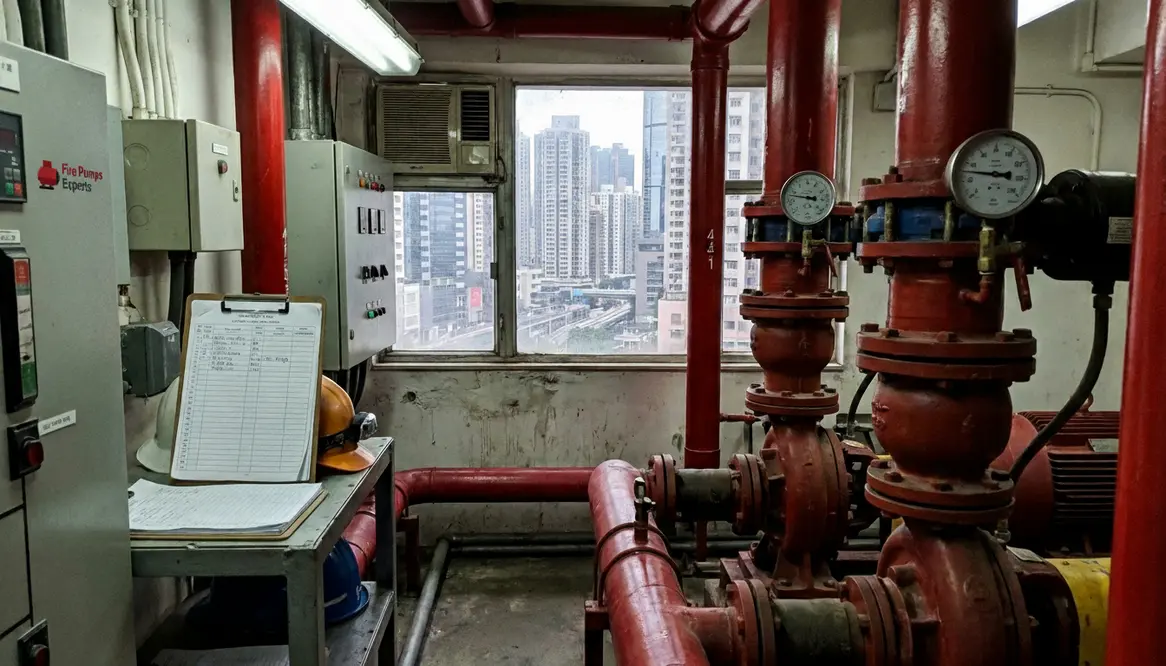
Local Fire Code Expertise for Urban Fire Pump Systems
Urban fire protection is never just about hardware. It is about how every pipe, valve, and pump decision lines up with the reality of local fire code expertise and the way big cities actually operate.
I have spent years working on fire protection systems in dense urban environments, and one truth keeps echoing through every project: without local fire code expertise, even the most advanced fire pump system can fall flat. In major cities, codes are not just rules. They are living, breathing frameworks shaped by infrastructure, population density, and history. So when I step into a high rise mechanical room or a sprawling industrial facility, I am not just thinking about pumps and pressure. I am thinking about how every detail must align with city specific regulations that do not forgive guesswork.
Why Big Cities Play by Different Fire Protection Rules
In smaller towns, fire codes tend to follow broader national standards with minor tweaks. However, major cities operate on a different level entirely. For example, New York, Chicago, and Los Angeles each add layers of requirements that reflect their unique risks.
Because of this, I always approach urban fire pump projects knowing that density changes everything. More people means higher stakes. Taller buildings mean higher pressure demands. Older infrastructure often brings hidden constraints. Therefore, I cannot rely on generic designs. I must adapt every component to fit the local framework.
And honestly, ignoring that reality is like trying to use a subway map in the middle of the ocean. It looks official, but it will not get you anywhere useful.
Where local fire code expertise changes the stakes
- High rise and super high rise definitions that shift pump sizing and zoning thresholds
- Historic districts with fragile infrastructure that limit available water supply paths
- Urban infill projects squeezed into tight footprints that complicate pump room access and egress
- City specific rules on fire department connections, street access, and hydrant spacing
How Local Fire Code Expertise Shapes System Design
When I design or evaluate a fire pump system, I start with the code before I even think about equipment. That might sound backwards, but in major cities, compliance drives design.
For instance, some jurisdictions require specific pump redundancy setups, while others dictate exact pressure thresholds for high rise zones. Additionally, inspection access, control panel placement, and even room ventilation can vary.
Because of my local fire code expertise, I can align these requirements early. As a result, I avoid costly redesigns and delays later. More importantly, I ensure that the system will pass inspection the first time.
And if you have ever dealt with a failed inspection in a major city, you know it is about as fun as rebooting a server during peak business hours.
Translating code into real world design decisions
- Defining the number and type of pumps needed for redundancy
- Locating the pump room to meet both fire department access and structural realities
- Coordinating with electrical teams on power sources, transfer switches, and sequencing
- Aligning test header, hose valve, and hydrant strategies with city fire operations
- Anticipating inspection and testing clearances from day one
- Choosing configurations that keep the system maintainable for the next 20 years
What Happens When You Skip City Specific Knowledge?
I have seen projects where teams assumed that national standards alone would carry them through. Spoiler alert: they did not.
In one case, a commercial facility installed a perfectly functional fire pump system that met general guidelines. However, it failed to meet local sequencing requirements for backup power. Consequently, the entire system had to be modified after installation.
That means more labor, more downtime, and more cost. In large commercial and industrial buildings, those delays ripple across operations. Therefore, skipping city specific knowledge does not save time. It multiplies problems.
So yes, experience matters. But targeted experience in the right city matters even more.
The hidden cost of guessing at compliance
- Change orders triggered by late stage AHJ comments
- Extended system downtime while rework is completed
- Schedule slips that impact tenants, operations, or production
- Erosion of confidence in the design team’s local fire code expertise
Key Factors I Evaluate in Urban Fire Pump Projects
Infrastructure Compatibility
I assess how the system connects with existing water supply and pressure conditions.
Building Height and Zoning
High rise structures often require multi zone pressure strategies.
Power Reliability
Backup systems must meet strict local sequencing and testing rules.
Access and Maintenance
Cities often require precise layouts for inspection and servicing.
Approval Pathways
Each city has its own review and sign off process that must be anticipated.
Retrofit Constraints
Older buildings demand creative solutions that still meet modern codes.
Each of these factors ties directly into compliance. Therefore, I treat them as part of a single system rather than separate concerns.
For deeper context on how formal standards connect to real world projects, resources like NFPA 20 overviews for fire pump systems pair well with hands on local fire code expertise in your specific city.
Why Timing and Permits Matter More Than You Think
In major cities, timelines are tightly linked to approvals. So even a small oversight in documentation can stall an entire project.
Because I understand how local authorities review fire pump systems, I prepare submissions that speak their language. That means clear specifications, accurate calculations, and full alignment with city expectations.
As a result, projects move forward instead of sitting in review limbo. And let us be honest, no one wants their project stuck in a bureaucratic loop that feels like a never ending sequel no one asked for.
Permits, paperwork, and the clock
- Coordinating permit submissions with other trades to avoid cross discipline conflicts
- Scheduling inspections to match construction milestones instead of delaying them
- Using local fire code expertise to anticipate AHJ preferences before they show up as comments
- Keeping owners and facility teams informed so they can plan operations around outages
Can One Design Work Across Multiple Cities?
Short answer: not really.
While core principles remain consistent, each city introduces variations that make a one size fits all approach risky. Therefore, I treat every location as its own ecosystem.
For example, a system designed for a West Coast industrial facility may not satisfy East Coast high rise requirements. Even subtle differences in code language can lead to major compliance gaps.
So instead of forcing uniformity, I adapt designs to meet each city’s expectations. That approach keeps systems efficient, compliant, and ready for inspection.
Scaling smart with local fire code expertise
If you operate across multiple regions, patterns do emerge. You can standardize certain components, documentation habits, and testing routines. But the real performance gains come when that playbook is filtered through local fire code expertise in each city, so the core design is respected while the details are tuned for local rules, infrastructure, and enforcement culture.
FAQ: Fire Pump Projects in Major Cities
Why is local knowledge important for fire pump systems?
It ensures the system meets city specific codes, preventing delays and costly redesigns.
Do national standards not cover everything?
No. Major cities add their own requirements on top of national guidelines.
What is the biggest risk of non compliance?
Failed inspections, project delays, and increased costs.
Are high rise buildings more complex?
Yes. They require specialized pressure zoning and system configurations.
How early should code considerations be included?
At the very beginning of design to avoid rework later.
Conclusion
When I approach fire pump projects in major cities, I do not leave compliance to chance. I build every system around the realities of the local environment, ensuring it performs when it matters most. If you are planning a project for a commercial or industrial facility, now is the time to bring in the right expertise.
The combination of solid engineering, city specific experience, and genuine local fire code expertise is what turns a set of drawings into a reliable life safety system. Get that alignment right, and your fire pump becomes something you rarely think about because it simply works, passes inspection, and is ready when you need it.
If you are planning a project for a commercial or industrial facility, now is the time to bring in the right expertise. Reach out today, and let us design a system that meets code, passes inspection, and protects what matters without compromise.