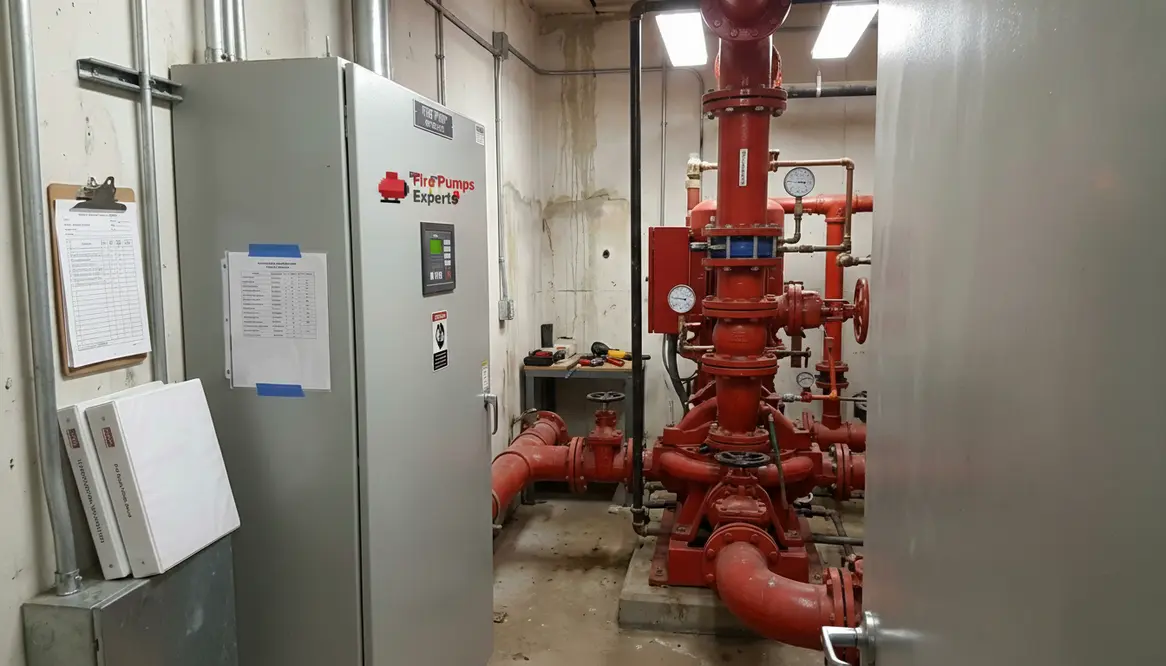
Municipal Fire Codes and Fire Pump Installation
I have spent enough time around commercial pump rooms to know one thing for sure: no two cities play by the exact same rulebook. Municipal fire codes may sound like dry paperwork, but they quietly dictate how every fire pump is sized, installed, and tested. And yes, they can turn a straightforward project into something that feels like a plot twist in a Christopher Nolan film. In the world of large facilities and industrial buildings, these local regulations are not suggestions. They are the script, and I follow them line by line.
How Municipal Fire Codes Shape Fire Pump Installation Decisions
When I approach a new installation, I do not start with equipment. I start with the local code. Because while national standards like NFPA set the foundation, local jurisdictions often add their own flavor. Sometimes that flavor is mild. Other times, it is extra spicy.
For example, one city may require higher flow rates due to building density. Meanwhile, another may demand redundant power supplies for high rise structures. As a result, I cannot rely on a one size fits all design. I adapt.
Additionally, these rules often affect:
- Pump capacity requirements
- Controller specifications
- Backup power integration
- Testing and commissioning protocols
Because of this, ignoring local fire regulations is not just risky. It is expensive. Fixing a non compliant installation after inspection feels a bit like rebuilding a plane mid flight.
Why Local Fire Regulations Vary More Than You Expect
I have seen two neighboring cities require completely different approaches for similar buildings. It sounds absurd, but there is logic behind it.
First, population density plays a role. A packed downtown core demands stronger fire protection than a spread out industrial park. Next, water supply conditions matter. If municipal water pressure is unreliable, the code compensates by requiring more robust fire pump systems.
Then there is infrastructure age. Older cities tend to stack on stricter requirements because their systems were not built with modern fire loads in mind. Think of it as upgrading a classic car with modern brakes. It is still the same vehicle, but the expectations are higher.
So while the differences can feel random, they usually reflect real world risks. And honestly, I would rather deal with strict rules than explain to a client why their system failed when it mattered most.
Municipal fire codes as a local risk mirror
In practice, municipal fire codes are a reflection of local history, infrastructure, and risk tolerance. The same warehouse design can trigger different pump sizing, monitoring, or redundancy requirements just by crossing a city boundary line.
What Do Municipal Fire Codes Require for Commercial Fire Pumps?
Let me answer this the way most clients ask me: clearly and without the legal jargon.
In commercial and industrial settings, municipal fire codes typically require fire pumps to meet both national standards and local amendments. That means I am balancing two layers of compliance at all times.
Most jurisdictions expect:
- Reliable primary and backup power sources
- Accessible pump room layouts for emergency crews
- Specific pressure and flow performance thresholds
- Routine testing with documented results
However, here is where things get interesting. Some cities also require remote monitoring or integration with building management systems. Others want seismic bracing or flood protection depending on geography.
So yes, the pump itself matters. But the environment around it matters just as much.
If you are trying to navigate all of this without a dedicated fire protection partner, it can feel like wrestling both national standards and municipal fire codes at once. That is why many facilities lean on specialists who live in this world full time, from design to inspection.
Designing Around Constraints Without Compromising Performance
Every project has constraints. Tight mechanical rooms. Limited power capacity. Budget pressure. And then the local code steps in like a strict referee.
Instead of fighting those constraints, I design around them.
Challenge
- Limited space in pump rooms
- Inconsistent water supply
- High rise pressure demands
- Strict inspection timelines
My Approach
- Compact vertical pump configurations
- Auxiliary storage or booster systems
- Zoned pressure design
- Pre tested modular installations
Because of this approach, I keep systems compliant without sacrificing performance. It is a bit like solving a puzzle where every piece is labeled “urgent.”
And yes, sometimes I wish buildings came with more space. But then again, I also wish elevators never broke down, and here we are.
When constraints are tight and municipal fire codes are aggressive, that is usually the moment to bring in a specialist team that lives and breathes fire pumps. For example, if you are working in California and need help aligning your design with local enforcement expectations, a partner like a dedicated fire pump service provider can keep both design and documentation aligned with what inspectors actually want to see.
Inspection, Testing, and the Reality of Compliance
Installation is only half the story. Once the system is in place, the real test begins.
Local fire authorities do not just glance at the setup and give a thumbs up. They verify performance under real conditions. That includes flow testing, pressure checks, and controller response validation.
Moreover, ongoing compliance matters just as much as initial approval. Many jurisdictions require regular testing schedules, and they expect documentation to be airtight.
If something fails during inspection, it is not just a technical issue. It can delay occupancy, halt operations, or trigger costly corrections. That is why I treat testing as part of the design process, not an afterthought.
In other words, I build systems that pass on day one and keep passing long after.
Keeping municipal fire codes in focus over the long term
Compliance is not a one time event. It is a repeating cycle of inspection, maintenance, and documentation that constantly checks your system against municipal fire codes and national standards. The projects that age well are the ones where this cycle is built into everyday operations instead of bolted on after a failed test.
FAQ: Municipal Fire Codes and Fire Pump Installation
What are municipal fire codes?
They are local regulations that define fire protection requirements for buildings, including fire pump design and installation.
Do local codes override national standards?
They usually build on national standards and may add stricter requirements, not replace them.
Why do fire pump requirements vary by city?
Differences in density, water supply, and infrastructure lead to unique local rules.
How often must fire pumps be tested?
Most jurisdictions require weekly or monthly checks and annual performance testing.
Can non compliant systems delay building operations?
Yes, failed inspections can delay occupancy or disrupt business operations.
Bringing It All Together
At the end of the day, I see municipal fire codes as more than rules. They are a roadmap for protecting people, assets, and operations in large scale facilities. When I design and install fire pump systems, I do it with those local requirements front and center. If you are planning a commercial or industrial project, now is the time to get it right. Work with experts who understand the details, anticipate the challenges, and deliver systems that pass inspection the first time.
Whether you are upgrading an aging facility or building something from scratch, letting municipal fire codes guide your decisions early makes everything else easier: pump selection, layout, power, testing, and long term maintenance. Treat those local regulations as the script, not the rewrite, and your fire pump installation will be far more likely to perform the way it is supposed to when it matters most.