Fire Pump Maintenance Las Vegas Code Compliance Tips
Fire Pump Maintenance Tips for Commercial Facilities in Las Vegas
I have spent enough time around commercial buildings in Las Vegas to know one simple truth. When a fire pump fails, it never picks a convenient moment. It shows up uninvited, like a plot twist in a suspense movie, and suddenly everyone is paying attention. That is why understanding the Clark County fire pump code is not just paperwork. It is a working guide that keeps people safe and systems reliable. In a city that runs on precision and performance, your fire pump should not be the weak link.
So let me walk you through what actually matters. Not fluff. Not filler. Just real maintenance insight that keeps your system ready when it counts.
How I Keep Fire Pumps Reliable in Las Vegas Commercial Buildings
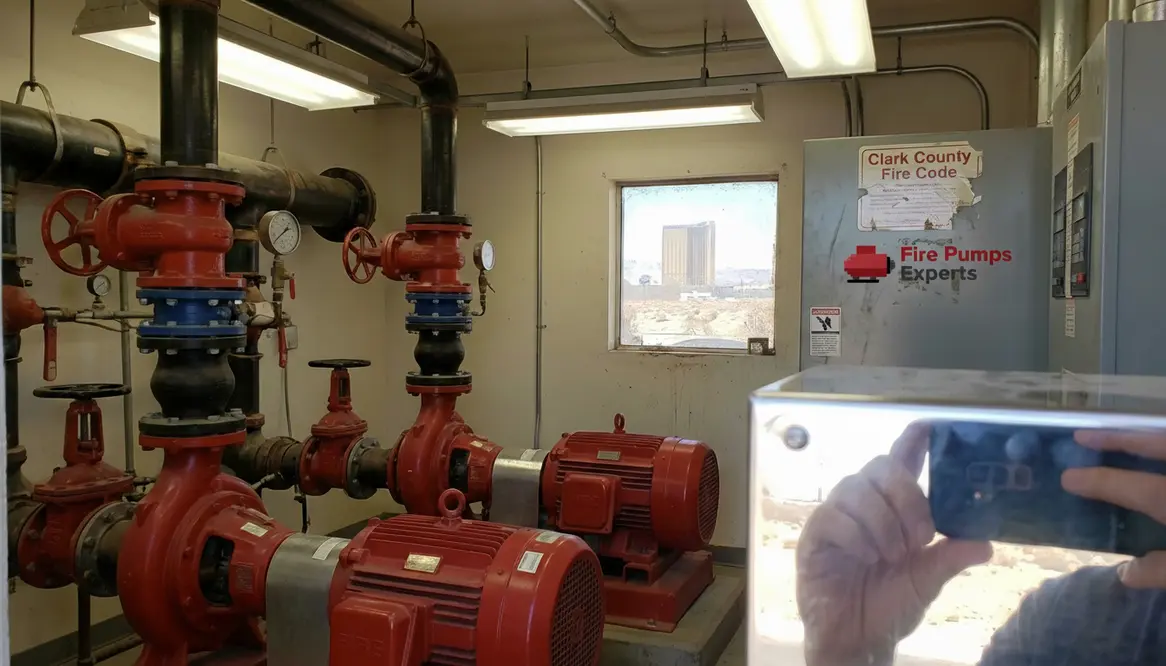
First, I treat fire pumps like the heart of the building’s safety system. If the heart skips, everything else struggles. Therefore, routine inspection is not optional. I schedule weekly visual checks and monthly operational tests. These are not just box checking exercises. I listen for odd vibrations, I watch pressure levels, and I verify that controllers respond instantly.
Additionally, Las Vegas heat adds stress. Components expand, seals wear faster, and electrical systems work harder. Because of this, I always check cooling and ventilation around the pump room. If the space feels like a sauna, your equipment is already complaining.
And yes, I keep logs. Detailed ones. Because if something goes wrong, guessing is not a strategy.
Clark County Fire Pump Code Compliance That Actually Matters
Now, let’s talk about compliance without making your eyes glaze over. The Clark County fire pump code is not there to make your life difficult. It exists to ensure that when the alarm sounds, water moves exactly where it should.
However, I see many facilities treat compliance like a one time event. Pass the inspection and forget it. That is a mistake. Instead, I align maintenance routines with code requirements year round. Flow testing, controller calibration, and backup power verification should all match local standards and the expectations set by the Clark County fire pump code.
Moreover, documentation matters just as much as performance. Inspectors do not just look at your system. They look at your records. If your paperwork tells a messy story, expect more scrutiny.
If you want a deeper technical overview of how formal standards shape fire pump expectations beyond the local Clark County fire pump code, it is worth reviewing NFPA 20 guidance, such as the breakdown in this NFPA 20 fire pump systems article, and making sure your local program lines up with both national standards and regional enforcement.
What Are the Most Common Fire Pump Failures I See?
I will give it to you straight. Most failures are not dramatic. They are small issues ignored over time.
Mechanical Issues
- Worn bearings from lack of lubrication
- Seal leaks that slowly reduce pressure
- Misaligned shafts causing vibration
Electrical Problems
- Controller faults due to heat exposure
- Battery failures in backup systems
- Loose wiring connections
Meanwhile, one of the most overlooked issues is water supply reliability. I have seen perfectly good pumps fail simply because the supply valve was not fully open. That is the kind of mistake that feels small until it becomes very big.
Smart Maintenance Practices for Large Facilities
When managing large commercial or industrial properties, I focus on consistency. One good inspection does not protect you for the year. Instead, I build a rhythm.
For example, I rotate testing schedules so that no system goes too long without attention. I also coordinate with other building systems. Fire pumps do not operate in isolation. They rely on electrical, plumbing, and alarm systems working together.
Additionally, I invest in staff awareness. Not everyone needs to be an expert, but key personnel should recognize warning signs. A strange noise or pressure drop should trigger action, not confusion.
And yes, I occasionally remind teams that ignoring maintenance is like ignoring a check engine light. It will not fix itself. This is not a Hollywood movie where problems resolve off screen.
Why Las Vegas Conditions Demand Extra Attention
Las Vegas is not gentle on equipment. The heat alone can accelerate wear in ways cooler climates do not experience. Therefore, I adjust maintenance frequency based on seasonal stress.
During peak summer months, I increase inspection intervals. I also pay closer attention to electrical components, since heat and power demand rise together. Furthermore, dust and debris can build up quickly, so I ensure pump rooms stay clean and properly sealed.
Because of these local conditions, following Southern Nevada fire system standards is not just about compliance. It is about adapting to an environment that pushes equipment harder than most places. Keeping your program aligned with the Clark County fire pump code is one part of that; tailoring inspections and testing to real Las Vegas operating conditions is the other.
Practical Code-Driven Maintenance Checklist
Weekly and Monthly Habits
- Walk the pump room and confirm it is clean, unlocked, and free of storage.
- Check suction and discharge valves for proper position and supervision.
- Verify power available to controllers and look for trouble indications.
- Record pressures before, during, and after test runs.
- Listen for new noises or vibration and investigate anything that sounds wrong.
Annual Testing and Documentation
Annual flow tests, controller checks, and power transfer testing should be handled by qualified professionals who understand both NFPA standards and the Clark County fire pump code expectations. Your role is to make sure access is clear, isolation steps are planned, and that test reports end up filed in a place your next inspector can actually find.
FAQ: Fire Pump Maintenance in Las Vegas
Conclusion
If your fire pump is out of sight, it should not be out of mind. I help commercial and industrial facilities across Las Vegas stay ready, compliant, and confident when it matters most. If you want your system to perform without surprises, now is the time to act. Reach out, schedule a professional evaluation, and let’s make sure your fire protection system does its job quietly and flawlessly, in full alignment with the Clark County fire pump code and the realities of Las Vegas conditions.