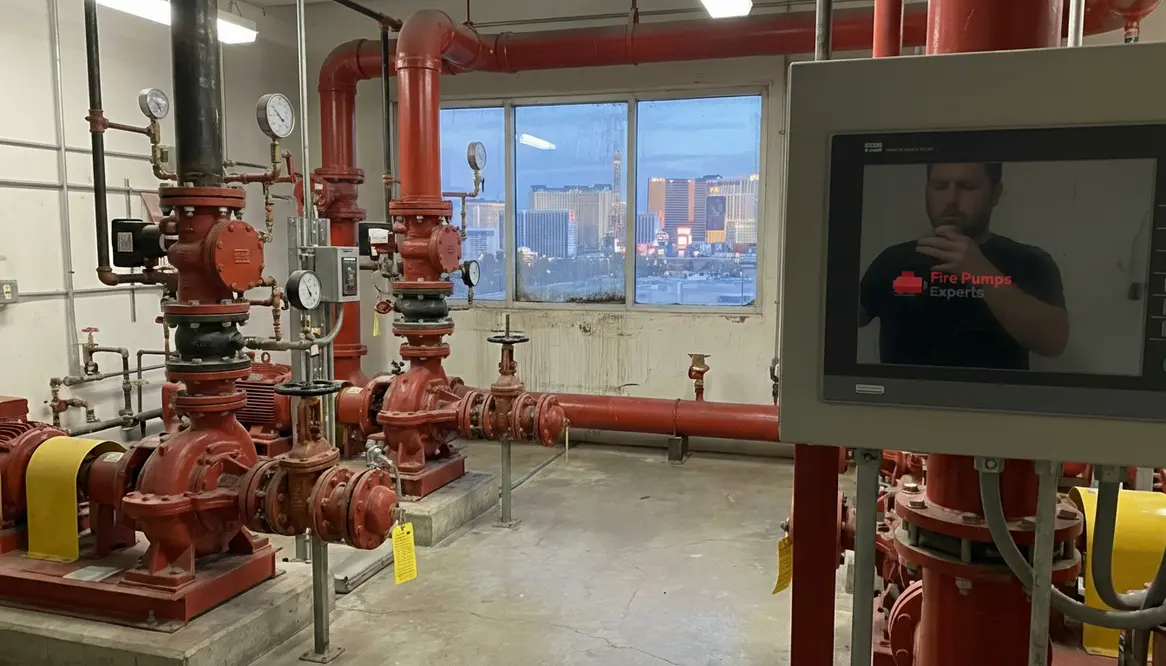
Las Vegas Fire Codes and Emergency Fire Pump Readiness
I have spent years walking mechanical rooms, reviewing plans, and standing in front of pump controllers that look like they belong on a spaceship. And if there is one thing Las Vegas has taught me, it is this: emergency fire pump readiness is not just a box to check. It is survival for large commercial and industrial properties operating in one of the most demanding code environments in the country. In a city that never sleeps, the fire code does not blink either. So let me walk you through how local regulations shape every decision in a fire pump project, from design to final inspection.
Why Las Vegas Fire Codes Are a Different Beast
Las Vegas does not play around with fire protection. And honestly, it makes sense. When you pack thousands of people into high rise resorts, data centers, and massive warehouses, you cannot afford guesswork. The Clark County Fire Department enforces strict standards that often go beyond national codes.
Because of that, I always approach projects here with a sharper lens. For example, water supply reliability is heavily scrutinized. If your system depends on municipal pressure alone, expect pushback. Instead, many facilities must install robust pump systems to ensure consistent pressure during peak demand or emergencies.
Additionally, local amendments often require enhanced redundancy. That means backup power, secondary pumps, and detailed monitoring systems. It is not overkill. It is preparation. Think of it like bringing two parachutes when jumping out of a plane. Nobody calls that excessive.
How Do Local Fire Codes Impact Fire Pump Design in Las Vegas?
Design starts with code, not catalog pages
Right away, I look at how the code shapes design choices. It dictates pump sizing, room layout, and even how equipment is accessed for maintenance. You cannot just pick a pump off the shelf and hope for the best.
Higher flow, higher stakes
First, flow and pressure requirements tend to be higher due to building scale. Casinos, distribution hubs, and multi story facilities demand systems that can perform under intense conditions. Therefore, I often design with future expansion in mind. It saves headaches later and supports long term emergency fire pump readiness as occupancy grows.
Seismic, thermal, and mechanical realities
Next, seismic considerations come into play. Yes, even in the desert. Equipment anchoring and piping flexibility must meet strict guidelines. Moreover, ventilation and heat control inside pump rooms are carefully regulated. After all, a pump that overheats is about as useful as a screen door on a submarine.
All of this feeds directly into emergency fire pump readiness. If the design does not meet local expectations, the system will not pass inspection. And if it does not pass inspection, the building does not open. Simple as that.
Inspection, Testing, and That Moment of Truth
Now here is where things get real. You can design a beautiful system, but the inspector has the final say. And in Las Vegas, inspections are thorough.
During acceptance testing, I have seen inspectors check everything. Flow rates, pressure stability, automatic start functions, alarm signals, and even how quickly the system responds under simulated demand. Consequently, preparation is everything.
I always advise clients to treat testing day like opening night on the Strip. You rehearse, you check every detail, and you expect the unexpected. Because if something fails, delays can ripple across the entire project timeline.
Ongoing testing also matters. Monthly churn tests and annual flow tests are not optional. They are essential to maintaining operational fire pump reliability. Skipping them is like ignoring oil changes in a high performance car. Eventually, it will catch up with you and undermine the very emergency fire pump readiness you worked so hard to build.
Balancing Compliance and Cost Without Cutting Corners
Let me be honest. Meeting Las Vegas fire codes is not cheap. However, cutting corners is even more expensive in the long run. I have seen projects try to shave costs early, only to pay double during corrections.
What I prioritize
- Code compliant equipment selection
- Reliable backup power integration
- Accessible layout for maintenance
- Future system scalability
What I avoid
- Undersized pumps
- Ignoring local amendments
- Cheap components with short lifespans
- Last minute design changes
By staying proactive, I help clients maintain emergency fire pump readiness without blowing the budget. It is about smart planning, not shortcuts.
Coordinating With Authorities and Project Teams
No fire pump project exists in a vacuum. I work closely with engineers, contractors, and fire officials from day one. That collaboration makes a huge difference.
For instance, early plan reviews can catch issues before they become expensive problems. Meanwhile, clear communication ensures everyone understands code expectations. And trust me, in a city where timelines are tight, that coordination keeps projects moving.
It is a bit like assembling the Avengers. Everyone has a role. And if one person goes rogue, things fall apart quickly. So I keep everyone aligned and focused on compliance, performance, and real world emergency fire pump readiness, not just theoretical checklists.
When owners also invest in routine inspections and maintenance, that teamwork extends beyond construction. Partnering with a specialist provider like Kord Fire Protection’s routine fire pump inspection services helps keep systems aligned with NFPA standards and local requirements long after the ribbon cutting.
FAQ: Fire Pump Projects in Las Vegas
Fire pump projects in Las Vegas generate a lot of repeat questions, especially from teams used to more relaxed jurisdictions. Here are straight answers to the ones I hear most often.
Final Thoughts and Your Next Step
If you are planning a project in Las Vegas, do not treat fire protection as an afterthought. Build with compliance in mind, prioritize performance, and invest in systems that last. True emergency fire pump readiness is not a single milestone, but an ongoing commitment to design quality, inspection discipline, and maintenance follow through.
When you bring the right team to the table early, coordinate closely with local authorities, and respect how unforgiving this code environment can be, you drastically reduce your risk of last minute surprises. I can help you navigate the codes, avoid costly missteps, and ensure your facility stays protected. Reach out today, and let us make sure your fire pump system is ready when it matters most.