Fire Pumps for Apartments and Condos Safety Guide
I have spent years around large scale systems that quietly save lives, and I can tell you this with a calm certainty. When it comes to protecting apartments and condominiums, nothing stands taller than a well designed fire pump system. Now, while convention center fire pumps often steal the spotlight for their size and power, the same engineering mindset applies to residential high rises. The stakes are just as real. The only difference is that instead of protecting trade shows and massive crowds, we are safeguarding homes, families, and that neighbor who insists on overcooking salmon every Thursday night.
How Do Fire Pumps Work in Apartment and Condo Buildings?
Let me paint a simple picture. Water alone does not always move with urgency. In tall buildings, gravity is not your friend during a fire. So, I rely on fire pumps to step in and give water the pressure it needs to reach upper floors quickly.
These systems activate when pressure drops in the sprinkler or standpipe system. As a result, the pump boosts water flow instantly. No hesitation. No drama. Just performance when it matters most.
However, unlike smaller systems, multifamily properties require careful calibration. Too little pressure and you risk ineffective suppression. Too much and you damage pipes or fixtures. It is a delicate balance, much like trying to make the perfect cup of coffee without turning it into rocket fuel.
Key Design Considerations for High Density Residential Buildings
When I approach a project, I do not just think about equipment. I think about how people live inside the structure. Therefore, I focus on several critical factors that shape fire pump performance.
Building height and layout
Taller buildings demand higher pressure ratings. Additionally, complex layouts require precise zoning to ensure even coverage.
Water supply reliability
I always verify whether the municipal supply can handle demand. If not, I integrate storage tanks to support the system during peak use.
Redundancy and backup power
Because power failures often accompany emergencies, backup generators are not optional. They are essential.
Noise and vibration control
Let us be honest. Nobody wants to hear a pump roaring at 2 AM. So, I incorporate isolation mounts and acoustic treatments to keep things quiet.
Convention Center Fire Pumps vs Residential Systems
Now, here is where things get interesting. While convention center fire pumps are built for massive open spaces and high occupancy surges, residential systems focus on vertical reach and compartmentalized safety.
Convention Style Systems
- High volume demand
- Wide area coverage
- Rapid surge capacity
- Designed for large crowds
Residential Systems
- Vertical pressure focus
- Zoned distribution
- Consistent daily readiness
- Designed for continuous occupancy
Even so, I often borrow design principles from large commercial systems. After all, reliability does not care whether you are hosting a convention or watching reruns on your couch. The best lessons learned from convention center fire pumps about redundancy, monitoring, and rapid response absolutely carry over into the residential world.
Installation Challenges I Watch for Every Time
Every building has its quirks. Some hide them better than others. Still, I have learned to expect a few common challenges.
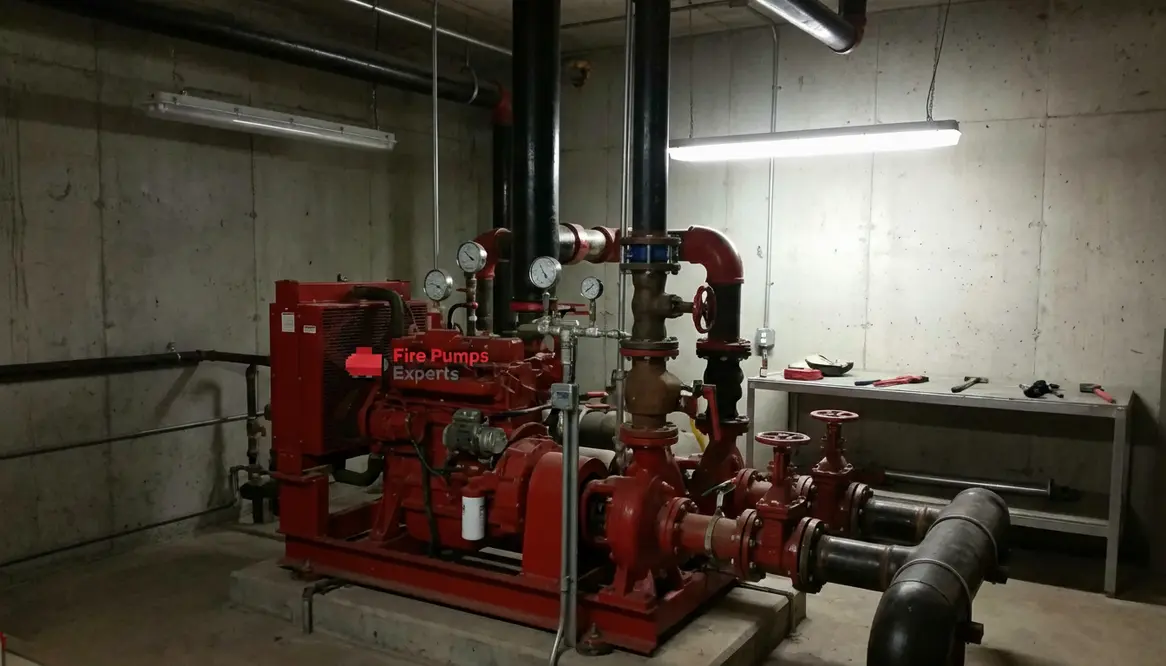
First, space constraints can turn installation into a puzzle. Mechanical rooms are not always generous, so I plan layouts carefully to allow maintenance access.
Next, coordination with other systems is critical. Fire pumps must integrate smoothly with alarms, sprinklers, and electrical systems. Otherwise, you end up with a very expensive piece of equipment that does not communicate well. And trust me, silence is not golden in emergency systems.
Finally, local codes and standards shape every decision. I stay aligned with NFPA requirements and regional regulations to ensure compliance and safety.
Maintenance That Keeps Everything Ready
I like to think of fire pumps as marathon runners. They spend most of their time waiting, but when called upon, they must perform instantly. Therefore, routine maintenance is non negotiable.
Weekly and monthly testing verifies performance under load. Additionally, I inspect components like controllers, valves, and seals to catch wear early.
Fuel systems, especially for diesel pumps, require close attention. A neglected fuel line can turn a reliable system into a very expensive decoration.
Moreover, documentation matters. I keep detailed records because they help identify trends and prevent failures. Think of it as a health record for your building’s most important safety system.
Choosing the Right Fire Pump Partner
Not all providers operate at the same level. When working with large residential properties, I look for teams that understand commercial scale demands. This is not a place for guesswork or shortcuts.
Experience with complex systems, strong knowledge of compliance standards, and the ability to provide ongoing support all matter. In addition, responsiveness during emergencies separates the good from the great.
Because when something goes wrong, you do not want voicemail. You want action.
The same mindset that governs convention center fire pumps should be expected in your residential provider: layered redundancy, disciplined testing, and a clear plan for when the unexpected happens.
FAQ
Below are a few of the questions I hear the most from building owners and managers who are trying to understand how their systems compare to larger commercial installations and convention center fire pumps.
Final Thoughts and Next Steps
When I look at apartment and condominium safety, I see more than equipment. I see responsibility. The right fire pump system protects lives quietly and effectively every single day. If you manage or design large residential properties, now is the time to evaluate your setup. Work with experts who understand commercial scale systems and demand reliability. Because in this line of work, preparation is everything, and second chances are rare.
If you want to learn more about system design philosophies, case studies, and the role of large installations like convention center fire pumps in shaping best practices, resources such as https://firepumps.org can provide additional technical depth and reference material.