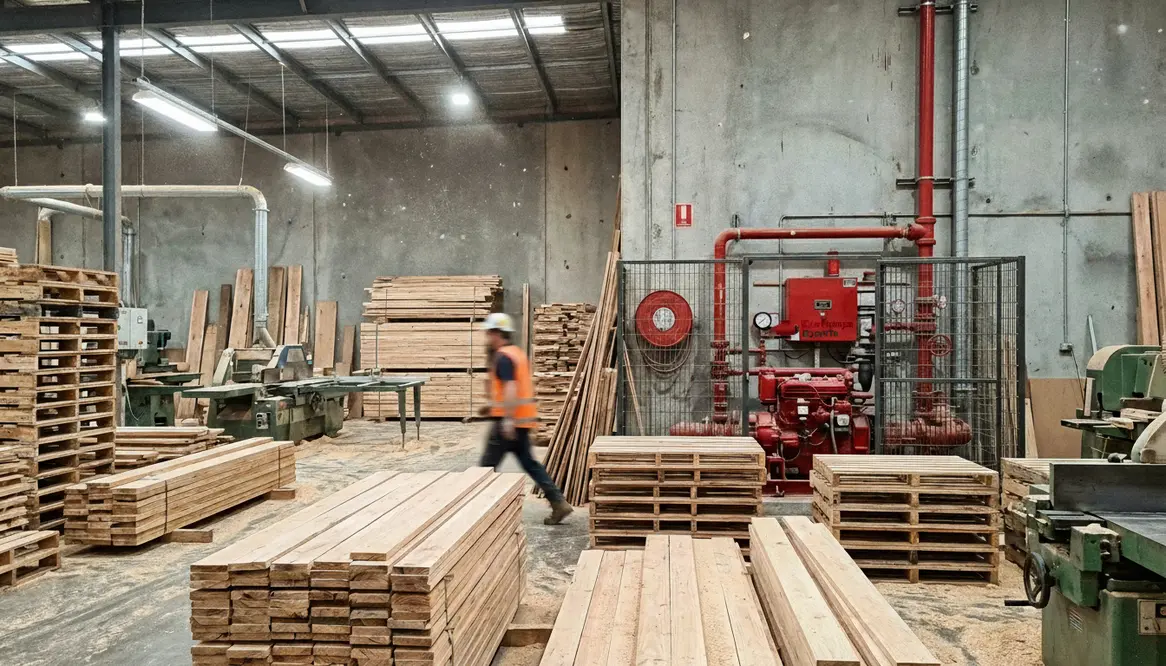
Fire Pump Needs for Wood Based Manufacturing
Inside a millwork shop, wood may be beautiful, but it burns like it has a personal vendetta. That is exactly why Fire pump needs for wood-based manufacturing deserve serious attention. In these environments, fine dust floats in the air, machinery runs hot, and a single spark can turn a calm afternoon into a scene straight out of an action movie. And no, this is not the moment to channel your inner action hero. This is where preparation quietly saves the day.
So, let me walk you through how fire pump systems fit into millwork operations, why they matter, and how to approach them without losing sleep or your sense of humor.
Understanding Fire Risks Inside Millwork Facilities
First, I like to picture a millwork shop as a perfect storm. You have combustible wood, airborne dust, and high powered equipment working together like an overachieving band that forgot safety rehearsal. As a result, fire hazards increase fast.
Moreover, wood dust is not just messy. It is explosive under the right conditions. Add heat from cutting tools, and suddenly, you are not dealing with a small problem anymore.
Because of this, fire protection systems in these facilities cannot be average. They need to respond fast, deliver consistent pressure, and support sprinklers that cover wide industrial spaces. That is where specialized fire pumps come into play.
What Makes Fire Pump Systems Essential for Millwork Shops
I often tell facility managers this. Your sprinkler system is only as good as the water behind it. Without proper pressure, even the best design just sits there like a superhero without powers.
Fire pump systems ensure that water moves with force and reliability. In large commercial millwork buildings, municipal supply alone often falls short. Therefore, a dedicated pump bridges that gap.
Additionally, these systems help maintain consistent flow during peak demand. When multiple sprinkler heads activate, pressure drops quickly. A fire pump steps in and says, not today.
And yes, it is a bit like having a backup generator, except instead of keeping the lights on, it keeps the building from becoming charcoal.
At a glance: why pumps matter
- Boost pressure when municipal supply is weak
- Support wide sprinkler coverage in large shops
- Keep flow steady when multiple heads open at once
- Meet code requirements for higher hazard occupancies
Fire Pump Needs for Wood-Based Manufacturing in Large Facilities
When I evaluate Fire pump needs for wood-based manufacturing, I focus on scale and risk together. Large millwork operations require pumps that can handle high flow rates across expansive floor plans.
However, it is not just about size. It is about precision. Pumps must match system demand, building height, and hazard classification. Oversizing wastes energy. Undersizing risks failure when it matters most.
Key reliability factors
- Accurate hydraulic calculations for all zones
- Redundant power where outages are common
- Protected pump rooms with proper ventilation
- Access for testing, maintenance, and repair
Furthermore, reliability is non negotiable. These are not systems you test once and forget. They must perform every time, under pressure, without hesitation.
In my experience, facilities that invest in properly engineered fire pump systems sleep better. And not just because they are tired from production schedules.
How I Choose the Right Fire Pump System
Choosing a system can feel like picking the right tool from an oversized toolbox. Fortunately, the process becomes clear when you break it down.
Here is how I approach it
Column One
- Evaluate building size and layout
- Review local water supply limitations
- Identify hazard classification levels
Column Two
- Select pump type based on demand
- Confirm compliance with industrial codes
- Plan for long term maintenance access
Meanwhile, I always keep future expansion in mind. Millwork businesses grow, and your fire protection system should not become the bottleneck.
Also, do not overlook installation quality. Even the best equipment fails if installed poorly. It is like buying a luxury car and forgetting to put air in the tires.
Can One System Really Handle Dust, Heat, and Scale?
Short answer. Yes, if designed correctly.
Longer answer. Fire pump systems are built to support high demand environments. However, they must integrate seamlessly with dust collection systems, sprinkler layouts, and emergency controls.
Therefore, coordination matters. Engineers must align airflow management with fire suppression. Otherwise, you risk feeding a fire while trying to extinguish it.
Additionally, regular testing ensures everything works together. I have seen facilities treat testing like a chore. That is a mistake. Testing is your rehearsal before the main event.
And unlike a concert, you do not want surprises.
Maintenance and Long Term Performance You Can Count On
Once your system is in place, the real work begins. Maintenance keeps your investment alive and ready.
Routine checks
- Weekly churn tests to confirm operation
- Monthly runs under load where required
- Annual flow tests to verify performance
- Periodic review of logs and trends
For example, routine inspections catch wear before it becomes failure. Weekly checks, monthly runs, and annual testing all play a role.
Moreover, documentation matters. Keeping records ensures compliance and provides insight into system health over time.
I like to think of it this way. A fire pump system is like a loyal guard dog. Treat it well, check on it often, and it will protect you when it counts.
Why Fire Pump Needs for Wood-Based Manufacturing Deserve Focus
In wood-based facilities, cutting corners on protection is a dangerous habit. Fire pump needs for wood-based manufacturing extend beyond checking a box on a form. They are about aligning pumps, sprinklers, and detection with the very real behavior of wood dust, stacked inventory, and constantly running saws.
From small custom shops to sprawling industrial plants, understanding these needs means fewer surprises and better odds of keeping a fire small, controlled, and quickly extinguished. It also sends a clear message to employees, insurers, and inspectors that safety is not just a poster on the wall.
If you want to explore detailed standards and best practices for Fire pump needs for wood-based manufacturing, resources at https://firepumps.org can help frame the technical side while you focus on practical decisions inside your facility.
FAQ About Fire Pump Systems in Millwork Shops
Conclusion
If you operate a millwork facility, the stakes are clear. Fire risks are real, but so are the solutions. A well designed fire pump system does more than meet code. It protects your people, your equipment, and your future.
So take the next step. Evaluate your current setup, consult with experts, and make sure your system stands ready. Because when it comes to fire protection, being prepared is always the smarter move, especially when Fire pump needs for wood-based manufacturing are part of your everyday reality.