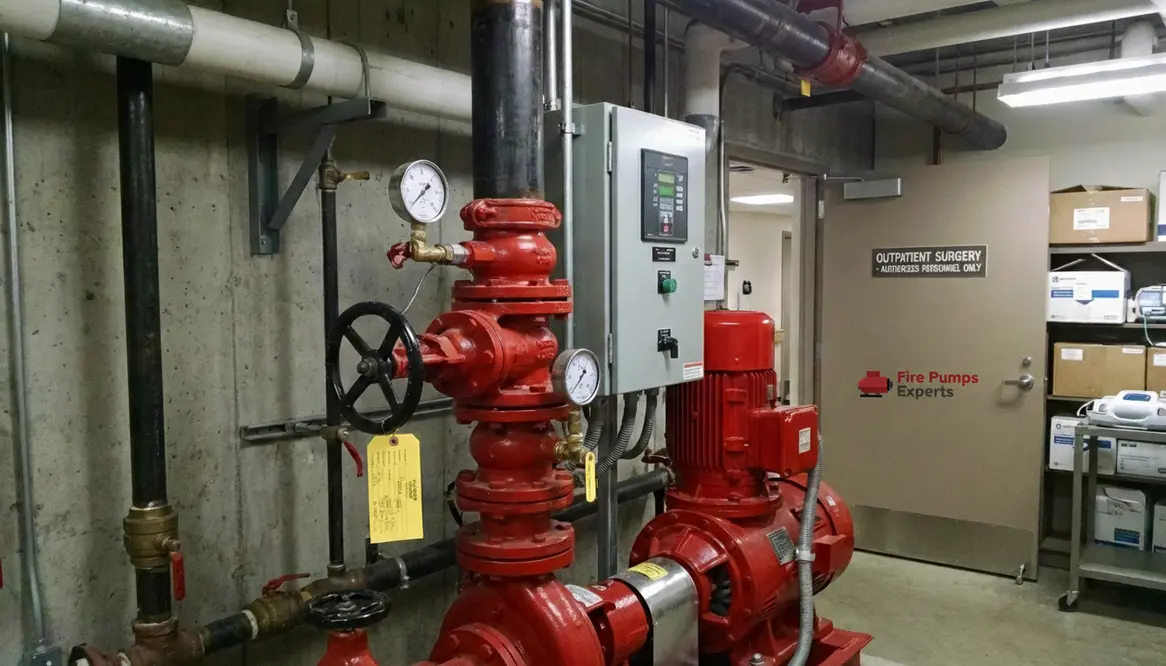
Fire Pump Systems for Outpatient Surgery Centers Guide
I have spent enough time around high stakes facilities to know one truth. When seconds matter, systems cannot hesitate. That is exactly where Fire Pump Systems for Outpatient Surgery Centers step into the spotlight. These are not background players. They are the quiet force that ensures water moves with purpose, pressure, and precision the moment it is needed. And while nobody schedules a fire between procedures, planning for one is non negotiable.
So today, I am walking you through what procedure based facilities truly need from their fire pump systems. Not the brochure version. The real version.
Why procedure based facilities demand more than standard fire protection
Outpatient surgery centers operate in a delicate balance. Patients are often under anesthesia, staff are focused, and equipment is sensitive. Because of that, fire protection cannot simply exist. It must perform instantly and flawlessly.
Unlike general commercial buildings, these facilities require consistent water pressure even during peak demand. Additionally, local water supply cannot always be trusted to meet those demands. That is where engineered fire pump solutions step in, ensuring compliance with codes while protecting lives and high value equipment.
And let’s be honest. If your fire protection plan depends on “hoping the city water pressure shows up,” that is less of a strategy and more of a gamble. Vegas odds are not great for life safety.
What makes Fire Pump Systems for Outpatient Surgery Centers unique
I often explain it this way. A fire pump in a warehouse pushes water. A fire pump in a surgical facility safeguards continuity of care.
These systems must integrate seamlessly with sprinklers, alarms, and backup power. Furthermore, they need to activate without delay while maintaining stable pressure across multiple zones. Even a slight fluctuation can impact system effectiveness.
Because of this, design considerations go deeper. We are talking about:
- Reliability under pressure with redundant components
- Compliance with strict healthcare and commercial codes
- Integration with emergency power systems
- Precision testing and maintenance schedules
And yes, all of that has to work together like a well rehearsed orchestra. No off key notes allowed.
How do I choose the right fire pump setup for a surgical facility?
I get this question a lot, and the answer always starts with risk and demand. First, I evaluate the building size, layout, and hazard classification. Then, I look at water supply limitations and required flow rates.
From there, the right configuration becomes clearer. Electric fire pumps are common in facilities with reliable power infrastructure. However, diesel pumps often serve as a critical backup when redundancy is essential.
Additionally, I always recommend systems that allow for real time monitoring. Because when something goes wrong, you want alerts immediately. Not after someone notices a pressure drop halfway through a busy day.
Choosing correctly is less about preference and more about precision. Think of it like casting a movie. You do not put just anyone in the lead role. You pick the one who can carry the entire production.
Key components that ensure system performance
Every effective system is built on strong components working together. In procedure based facilities, there is no room for weak links.
- Pump assembly delivers required flow and pressure
- Controller ensures automatic and manual operation
- Jockey pump maintains pressure and prevents unnecessary cycling
- Backflow preventer protects water supply integrity
- Test header allows routine performance verification
Moreover, these components must be installed with precision and maintained regularly. Skipping maintenance is like ignoring a check engine light. Eventually, it stops being a suggestion.
In well designed Fire Pump Systems for Outpatient Surgery Centers, each component supports the others. When one element is neglected, the whole protection strategy starts to wobble.
That is why system design, installation, and service are treated as a continuous process instead of a one time project.
Operational priorities in commercial surgical environments
Consistency
I focus on maintaining steady pressure across all zones. Fluctuations are not acceptable in high risk environments.
Redundancy
Backup systems are not optional. They are essential. Power loss cannot equal system failure.
Compliance
Codes and standards evolve. I ensure systems stay aligned with current requirements for commercial healthcare facilities.
Monitoring
Smart systems provide alerts and performance data. That visibility prevents surprises.
Together, these priorities create a system that does not just exist but performs consistently when called upon. For Fire Pump Systems for Outpatient Surgery Centers, that performance is the difference between a contained incident and a facility wide emergency.
Maintenance is where systems prove their worth
Here is something people do not like to hear. Installing a fire pump system is the easy part. Keeping it ready is where the real work begins.
Routine testing, inspections, and performance checks ensure the system responds instantly. Additionally, I always emphasize documentation. Because when inspectors come through, records matter just as much as results.
And yes, skipping maintenance might save time today. However, it creates risk tomorrow. That trade off is never worth it.
The strongest Fire Pump Systems for Outpatient Surgery Centers are the ones treated as living systems: inspected, tested, and adjusted before problems ever show up during an emergency.
Designing with precision and accountability
Behind every reliable installation is a clear line of responsibility. From the first conversation about risk tolerance to the final acceptance test, someone has to own the details. That includes capacity calculations, pump selection, controller settings, and how the system will be monitored long term.
Modern Fire Pump Systems for Outpatient Surgery Centers often connect into building management platforms, allowing facility teams or third party specialists to see status at a glance. That visibility turns “I hope it works” into “I know it is ready.”
Conclusion
If you are responsible for a procedure based facility, you already understand the weight of that responsibility. Fire protection is not just another system on a checklist. It is a critical safeguard that protects people, operations, and reputation. The right fire pump solution ensures readiness at every moment. If you are planning, upgrading, or evaluating your system, now is the time to act with precision and confidence. Because when it comes to safety, hesitation is never part of the plan.
FAQ
For additional educational material on pump selection, testing, and code references, resources such as https://firepumps.org can be helpful when used alongside guidance from qualified fire protection professionals.