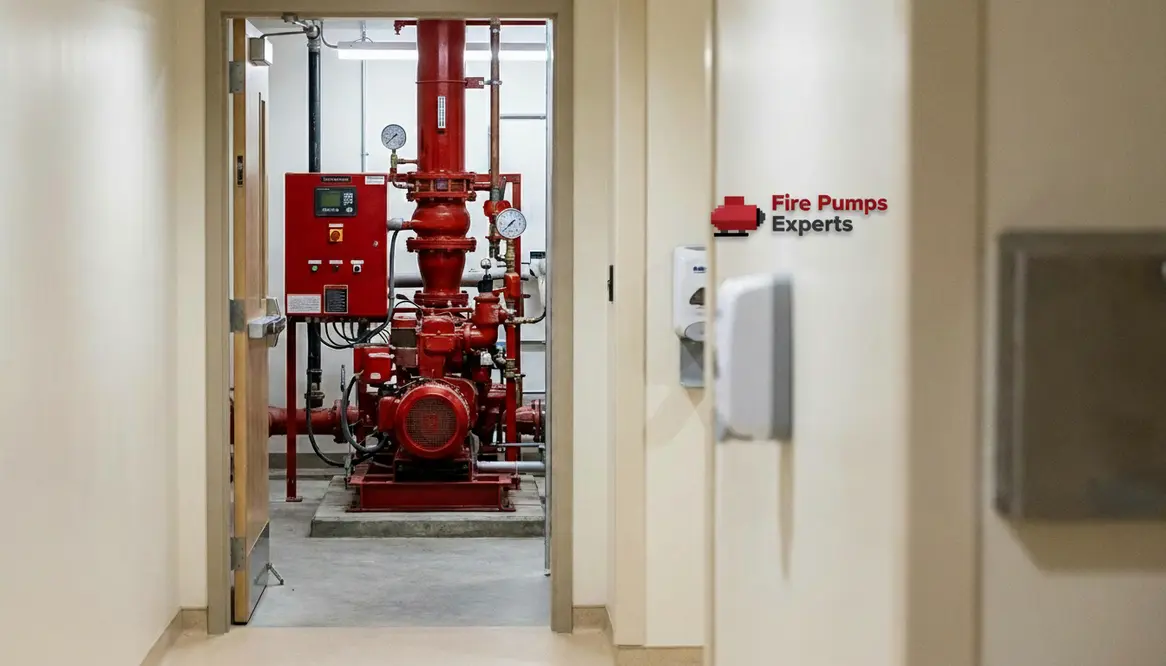
Fire Pump Systems for Ambulatory Care Safety
I have walked through enough outpatient healthcare spaces to know one truth: calm on the surface often hides complex systems working tirelessly behind the walls. And when it comes to safety, few systems carry as much quiet responsibility as Fire Pump Systems for Ambulatory Care Facilities. Within the first moments of an emergency, these systems decide whether a small incident stays small or becomes a headline. So today, I am pulling back the curtain and giving you a clear, steady look at how fire protection truly works in these environments.
Why Fire Protection in Outpatient Facilities Demands Precision
Outpatient spaces are not hospitals, yet they are far from simple offices. Patients move in and out quickly, procedures happen daily, and equipment runs constantly. Because of this, I approach fire protection here with a sharper lens. Every second matters, and every system must respond without hesitation.
Moreover, these facilities often operate on tight schedules. Any disruption can ripple through patient care. Therefore, fire protection must not only work but work seamlessly. Think of it like a well rehearsed orchestra. If one instrument misses a beat, the entire performance feels off. And yes, in this case, the stakes are much higher than a missed note at a jazz concert.
How Fire Pump Systems for Ambulatory Care Facilities Actually Work
I like to keep things simple. At the heart of fire protection lies water, delivered with force and reliability. That is where fire pump systems come into play. They ensure consistent pressure when municipal supply alone is not enough.
In these facilities, I rely on pumps that activate automatically when pressure drops. As a result, sprinklers and standpipe systems receive immediate support. No hesitation, no confusion. Just action.
Additionally, these systems are designed with redundancy in mind. If one component fails, another steps in. It is not unlike having a backup quarterback who is just as ready to throw the winning pass. You may never see them in action, but you are grateful they are there.
Core Components I Focus On
- Pump drivers and controllers
- Reliable water supply connections
- Pressure monitoring systems
- Emergency power integration
Why They Matter
- Ensure immediate water flow
- Prevent system failure under demand
- Maintain compliance with codes
- Support uninterrupted facility operations
Designing Systems That Fit Real World Operations
I never design in a vacuum. Instead, I look at how the facility breathes throughout the day. Patient flow, equipment usage, and even staff movement all influence fire protection design.
For example, imaging rooms and surgical suites require careful coordination with suppression systems. Water damage is a concern, yet fire risk cannot be ignored. So I balance both, ensuring coverage without unnecessary exposure.
Furthermore, I consider future expansion. Outpatient facilities grow quickly. Therefore, scalable Fire Pump Systems for Ambulatory Care Facilities help avoid costly redesigns later. It is a bit like buying a jacket with room to layer. You may not need it today, but winter has a way of arriving uninvited.
What Are the Biggest Fire Risks in Outpatient Healthcare Spaces?
I get this question often, and the answer is more layered than most expect. First, electrical equipment stands out. Diagnostic machines, computers, and lighting systems all generate heat. Over time, that heat can create risk.
Next, I look at storage areas. Medical supplies, paper products, and cleaning chemicals can fuel a fire quickly if not managed properly. Then there is human behavior. Yes, even in professional environments, small oversights happen. A misplaced device, an overloaded outlet, or blocked access points can all contribute.
Designing With Real Risks in Mind
Because of this, I design systems that anticipate these realities rather than ignore them. Prevention is important, but preparedness carries equal weight. Well planned Fire Pump Systems for Ambulatory Care Facilities help bridge the gap between what should happen and what actually does when alarms sound.
Maintenance Is Where Reliability Lives
I have seen the best systems fail simply because they were not maintained. And that, frankly, is avoidable. Regular testing ensures that fire pump systems respond exactly when needed.
In addition, I recommend scheduled inspections that go beyond surface checks. Controllers, valves, and power supplies all deserve attention. If something feels off, it probably is. Addressing it early prevents bigger problems later.
There is a certain peace of mind that comes from knowing everything will work when it must. And in this line of work, peace of mind is not a luxury. It is a requirement.
Compliance Without the Headache
Codes and standards are not optional. However, they do not have to feel overwhelming. I approach compliance as a roadmap rather than a hurdle.
Local regulations, national standards, and industry guidelines all shape how systems are designed and maintained. By aligning with these from the start, I avoid costly adjustments later.
And let us be honest, no one enjoys surprise inspections. They are about as welcome as a plot twist in a movie that was already three hours long. So staying ahead makes life easier for everyone involved. Resources like https://firepumps.org can help keep Fire Pump Systems for Ambulatory Care Facilities aligned with current expectations instead of scrambling after the fact.
FAQ: Fire Protection for Outpatient Healthcare Spaces
Conclusion: Building Safety That Works When It Matters Most
I see fire protection as more than a requirement. It is a commitment to safety, continuity, and trust. With the right Fire Pump Systems for Ambulatory Care Facilities, you create a foundation that supports every patient and professional who walks through your doors. If you are ready to strengthen that foundation, now is the time to act. Invest in systems that perform without hesitation, because when it matters most, there is no room for second guesses.