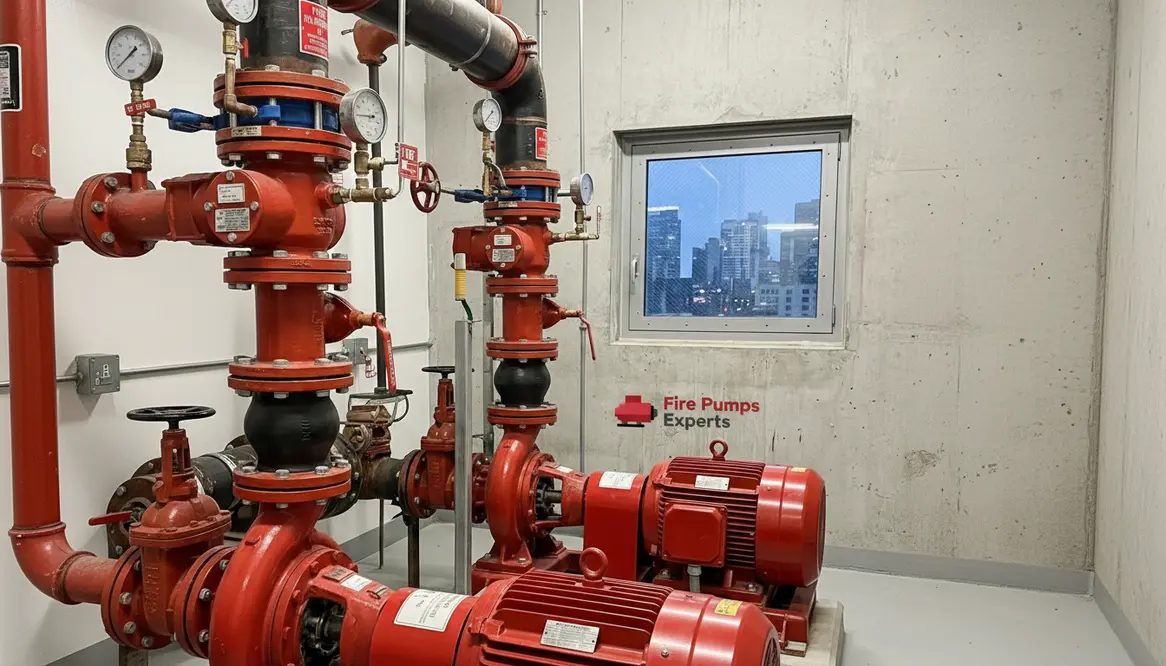
Luxury Apartment Tower Fire Pump Systems Guide
What protects a skyline address is not the marble in the lobby; it is the quiet machinery behind the walls, waiting for the one moment it has to be perfect.
I have walked through enough high rise corridors to know one thing for certain. Silence can be deceptive. Behind those polished walls and glass views, a quiet, powerful system stands ready. In many of the properties I work with, luxury apartment tower fire pump systems are the unseen guardians that make all the difference. They do not shout for attention. Instead, they wait patiently, built for the one moment when everything depends on them working exactly right.
So, let’s talk about what really protects high end multifamily buildings, beyond the marble lobbies and skyline views. Because when it comes to fire protection, style takes a back seat to strength.
At a glance
- High rise height demands boosted pressure
- Redundancy keeps residents protected
- Smart monitoring catches issues early
- Quiet operation keeps luxury actually luxurious
Why fire protection in luxury multifamily buildings demands more than basics
I have noticed that many people assume newer buildings are automatically safer. That is a comforting thought. It is also incomplete. While modern construction helps, high end multifamily properties come with added complexity. Taller structures, denser occupancy, and advanced amenities all raise the stakes.
Because of this, fire protection must go beyond minimum code. It needs precision. It needs redundancy. And, frankly, it needs to perform like a seasoned actor who never forgets a line, even under pressure. Think less improv comedy, more Oscar winning consistency.
Why towers raise the pressure
High rise environments demand systems that can deliver water at extreme heights without hesitation. That is where properly engineered pumping systems step in. They ensure that pressure stays consistent, even at the top floors where gravity likes to play hardball.
How do fire pump systems actually protect high rise residents
I get this question often, and the answer is simpler than people expect. Fire pump systems take available water and boost its pressure so it can travel where it is needed most. In a tall building, that means every floor, every unit, every corner.
However, it is not just about pushing water. It is about timing and reliability. When a sprinkler activates or a standpipe is opened, the system must respond instantly. There is no room for hesitation. Not even a second.
The chain of protection
- Sensors detect pressure drops the moment a sprinkler or hose valve opens.
- Controllers activate the pump, driving water into risers, sprinklers, and standpipes.
- Backup power keeps the system running even when the building’s power fails.
When it all works right, nobody notices. Kind of like good background music in a movie. You only miss it when it is gone.
Designing resilience into modern fire protection systems
In my experience, the strongest systems are not just powerful. They are resilient. That means they can handle failure without collapsing entirely.
For instance, redundancy is key. Multiple pumps, backup power sources, and independent control systems create layers of protection. If one piece fails, another steps in. This approach is not optional in commercial and large scale residential towers. It is essential.
Furthermore, system layout matters just as much as equipment quality. Poor placement or inefficient piping can reduce performance, no matter how advanced the components are. Therefore, thoughtful engineering ensures water moves efficiently, without unnecessary resistance.
Resilience mindset
- Design for “what if,” not just “what’s likely.”
- Separate critical components where practical.
- Make maintenance access easy so problems are fixed fast.
And let’s be honest, no one wants to discover design flaws during an emergency. That is not the kind of surprise anyone enjoys.
luxury apartment tower fire pump systems and long term reliability
I have seen systems that looked impressive on day one but struggled five years later. Reliability is not built in a single installation. It is maintained over time.
Routine testing plays a huge role here. Weekly churn tests, annual flow tests, and regular inspections keep everything in working order. These checks are not just formalities. They reveal wear, detect inefficiencies, and prevent failure before it happens.
In addition, professional servicing ensures that components stay calibrated and responsive. Controllers need updates. Valves need inspection. Pumps need monitoring. It is a relationship, not a one time transaction.
Why luxury apartment tower fire pump systems pay off
And if that sounds like a lot of work, it is. But compared to the cost of system failure, it is a bargain. Luxury apartment tower fire pump systems that are tested and maintained do more than meet code; they protect reputations, lives, and very expensive square footage.
Balancing safety, aesthetics, and operational efficiency
Safety Priorities
- Consistent water pressure across all floors
- Immediate system activation
- Redundant backup systems
- Compliance with strict commercial codes
Operational Considerations
- Energy efficient pump operation
- Noise reduction for tenant comfort
- Space optimization in mechanical rooms
- Integration with building management systems
Now, here is where things get interesting. High end buildings are not just about safety. They are about experience. Residents expect quiet environments, seamless technology, and zero disruption.
Because of that, fire protection systems must operate efficiently and quietly. No one wants to hear a pump roaring like a jet engine every time it cycles. Engineers balance performance with comfort, ensuring systems remain both powerful and discreet.
It is a bit like a luxury car. You want speed, but you also want a smooth ride. The best luxury apartment tower fire pump systems feel almost invisible in day to day life, yet they are capable of aggressive performance when the alarm sounds.
Smart integration and the future of fire protection
Technology is changing how we approach fire safety. Today, systems can integrate with building management platforms, allowing real time monitoring and diagnostics.
As a result, property managers can identify issues before they become serious. Alerts, performance data, and automated testing all contribute to smarter maintenance strategies.
From reactive to predictive
Moreover, predictive analytics is beginning to play a role. Instead of reacting to failures, systems can anticipate them. It is not quite science fiction, but it is getting close. Think less blockbuster chaos, more helpful assistant that never sleeps.
And in high value properties, that level of insight is not just convenient. It is critical, especially when you are relying on luxury apartment tower fire pump systems to perform perfectly on demand.
FAQ: Fire protection for high end multifamily buildings
Conclusion
When I look at a luxury multifamily building, I see more than design and amenities. I see the systems that protect every resident, every floor, every moment. If you manage or develop large scale properties, now is the time to invest in fire protection that performs without compromise.
Work with experts who understand the demands of commercial structures and who build systems that last. Luxury apartment tower fire pump systems are not just another mechanical line item; they are the backbone of your life safety strategy and the quiet reason people can sleep peacefully dozens of stories above the street.
If you are ready to strengthen your building’s protection, start with a serious look at your pumping, power, and monitoring strategy. Solid design, disciplined testing, and committed servicing will do more for your residents than any chandelier ever could. For deeper technical guidance on commercial fire pumps and high rise protection, resources like https://firepumps.org can be a helpful starting point as you plan upgrades or new construction.