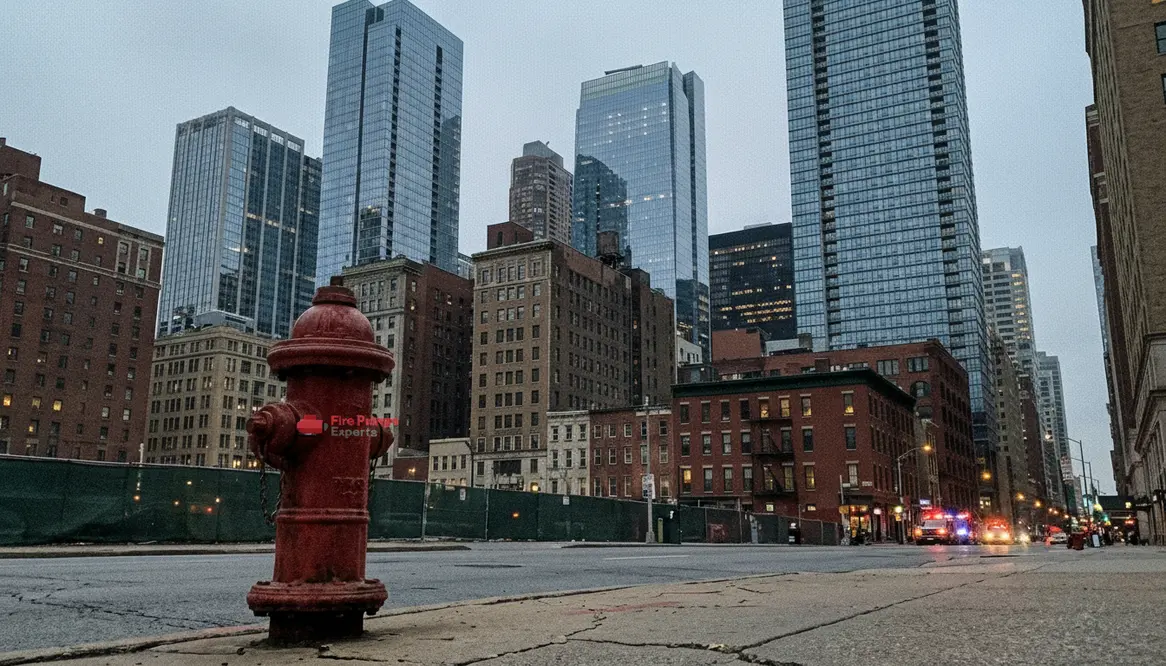
Downtown Mixed Use Fire Pump Systems Guide
I have spent years walking through crowded city blocks where glass towers touch the sky and every floor hums with life. In these spaces, fire safety is not a side note. It is the quiet system working behind the scenes, much like a great bass line in a jazz track. You may not notice it, but everything falls apart without it. That is where downtown mixed use fire pump systems come into play. They anchor protection strategies in large commercial and industrial buildings, ensuring water moves with purpose when seconds matter most. And in a dense urban core, seconds are everything.
Why Fire Safety in Urban Cores Demands Precision
When I step into a high rise in a busy district, I see more than steel and glass. I see layers of risk stacked vertically. Offices, retail, data centers, and mechanical floors all share one footprint. Therefore, fire safety must adapt to complexity rather than resist it.
In dense environments, access becomes a challenge. Fire crews cannot always rely on easy entry or wide staging areas. As a result, internal systems must perform flawlessly. This is why I always emphasize integrated planning. Sprinklers, alarms, and pumps must operate as one synchronized system, not as separate parts hoping for the best.
And yes, hoping is not a fire strategy. That belongs in movies, usually right before something explodes.
How Do Fire Pump Systems Support High Rise Buildings?
I get this question often, and the answer is straightforward. Fire pumps ensure water reaches the upper levels of a building with enough pressure to suppress a fire effectively.
Without them, gravity becomes the villain of the story. Water simply cannot climb dozens of floors on its own. So, we engineer around that limitation. In commercial towers and industrial complexes, these systems act as the heart of the fire protection network.
Moreover, modern systems monitor themselves constantly. They detect pressure drops, respond instantly, and maintain flow without hesitation. It is not dramatic, but it is incredibly reliable. Think less action movie chaos and more calm, controlled response.
Designing for Density Without Compromise
Designing fire safety in packed city centers requires careful coordination. I always start with building use. A mixed use property behaves differently than a single purpose facility. Therefore, each occupancy type must be accounted for.
At the same time, space constraints push engineers to think smarter. Equipment rooms are tighter. Routing is more complex. However, performance cannot suffer. This is where well designed downtown mixed use fire pump systems prove their value.
Additionally, redundancy plays a key role. Backup power, secondary pumps, and fail safe controls ensure the system works even when conditions are far from ideal. Because in real emergencies, ideal conditions are a myth.
Key Components That Keep Systems Reliable
I like to break things down into what actually matters on the ground. While the full system is complex, a few core elements carry most of the weight.
Core Hardware
- Pump units designed for high pressure output
- Controllers that manage activation and monitoring
- Valves that regulate flow and prevent backflow
- Dedicated water storage or supply connections
Support Systems
- Backup generators for uninterrupted power
- Pressure sensors for real time adjustments
- Alarm integration for system wide alerts
- Routine testing protocols to ensure readiness
Each piece plays a role. However, the magic happens when they work together seamlessly. That coordination is what separates a compliant system from a truly dependable one.
Maintenance Is Not Optional, It Is Survival
I cannot stress this enough. Installation is only the beginning. Ongoing maintenance determines whether a system performs when needed.
In urban environments, wear and tear happen faster. Systems run more frequently, and conditions are less forgiving. Therefore, regular inspections and testing must stay consistent.
Furthermore, data driven monitoring has changed the game. We now track performance trends and address issues before they become failures. It is less about reacting and more about staying ahead.
And if skipping maintenance ever feels tempting, just remember that fires do not send calendar invites.
Planning for the Future of Urban Fire Protection
Cities continue to grow upward and outward. As they do, fire safety strategies must evolve. I see a shift toward smarter systems that integrate with building management platforms.
For example, predictive analytics can flag pressure inconsistencies early. Automated reporting keeps facility managers informed without manual checks. And advanced pump designs improve efficiency while reducing energy use.
At the same time, sustainability is entering the conversation. Efficient water use and energy conscious equipment are becoming priorities. This does not replace safety. Instead, it enhances it.
In large commercial and industrial properties, these advancements are not optional upgrades. They are becoming the standard.
If you are rethinking protection for a property that blends residential, office, and retail functions, it is worth looking closely at how your current approach compares to modern downtown mixed use fire pump systems. The gap between “code minimum” and “resilient” is wider than most owners realize.
FAQ
Below are answers to questions that come up frequently when planning or upgrading downtown mixed use fire pump systems in busy city centers.
Conclusion
Fire safety in dense urban cores is not just about meeting codes. It is about protecting people, assets, and operations without compromise. I have seen how the right systems transform risk into control. If you manage a major commercial or industrial property, now is the time to evaluate your approach. Explore how advanced solutions, including downtown mixed use fire pump systems, can strengthen your building’s resilience and keep everything running safely when it matters most.
For a deeper technical perspective and additional resources on fire pump design and maintenance, you can review guidance and reference material at https://firepumps.org. Pairing that technical depth with a realistic view of how your building functions day to day is the fastest way to close any protection gaps hiding in plain sight.