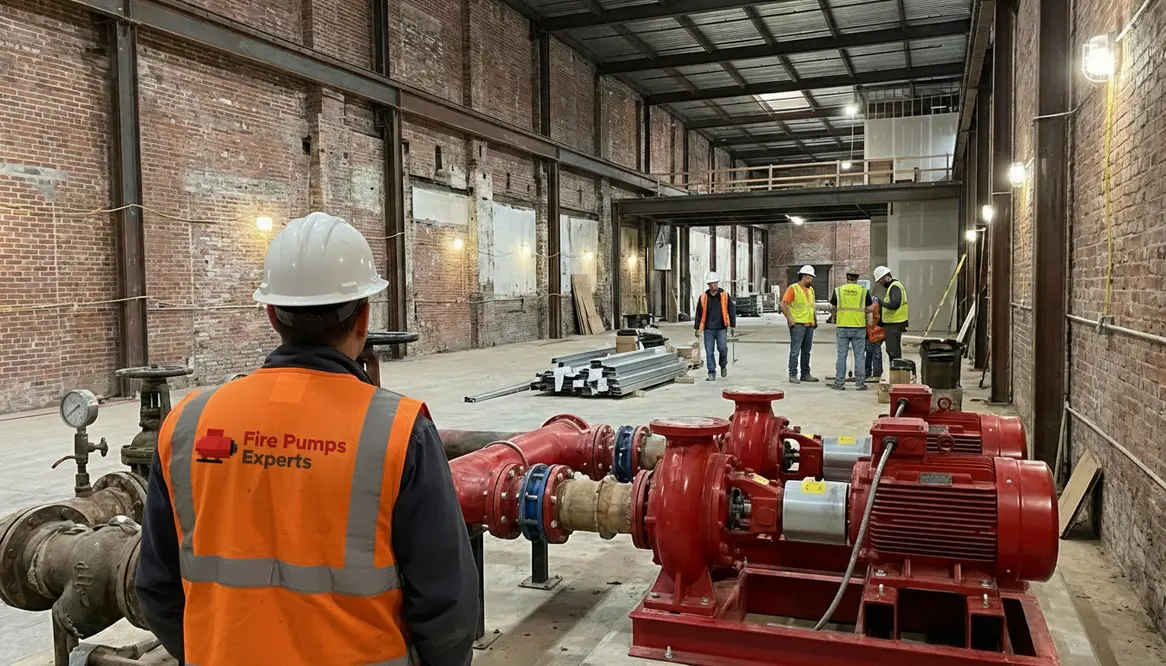
Brownfield Redevelopment Fire Pump Systems Guide
I have walked through enough reclaimed industrial sites to know one thing for certain. They carry history in their bones and risk in their wiring. When we bring these spaces back to life, we are not just renovating structures. We are rewriting how they survive fire. That is where brownfield redevelopment fire pump systems step in, quietly standing guard like a night watchman who never sleeps. In the first hundred feet of pipe and pressure, the difference between loss and control is decided.
And yes, while fire safety may not sound like the plot of a blockbuster, it has more twists than a season finale of your favorite drama.
Why Fire Safety Changes in Reclaimed Industrial Spaces
Old factories and warehouses were built for a different time. Back then, fire codes were looser, materials were tougher, and frankly, expectations were lower. Today, when I step into a redeveloped site, I see layers of risk that do not always show themselves at first glance.
For example, hidden voids behind aging walls can allow fire to travel faster than gossip in a small town. Meanwhile, outdated water infrastructure often struggles to support modern suppression demands. As a result, we must rethink everything from water supply to pressure control.
Moreover, contaminants left behind from previous industrial use can change how fire behaves. Certain residues burn hotter or release toxic smoke. So, while the building may look polished on the outside, inside it can still carry its past like a stubborn ghost.
How Do I Plan Fire Protection for a Brownfield Redevelopment?
I start with a simple principle. Respect the past, but do not trust it.
First, I assess the existing infrastructure. Then, I test water availability, because without reliable flow, even the best system becomes decorative. After that, I map out hazard classifications based on the building’s new purpose. A former steel plant turned data center demands a very different approach than one turned into mixed use commercial space.
However, the real turning point comes when integrating modern fire pump solutions. This is where brownfield redevelopment fire pump systems prove their value. They compensate for weak municipal supply and ensure consistent pressure across large or complex layouts.
And let me be clear. Skipping this step is like bringing a spoon to a sword fight. Technically possible, but deeply unwise.
Key Risks I Watch for in Industrial Conversions
Each site tells its own story, but certain risks tend to repeat themselves. I keep a close eye on them because they have a habit of turning small issues into large headlines.
Common hazards I keep on the radar
- Legacy electrical systems that overheat under modern loads
- Combustible dust lingering in ventilation or structural cavities
- Inconsistent water pressure across large floor plates
- Poor compartmentalization that allows fire to spread unchecked
Additionally, I often find that access for fire services is not aligned with current standards. Narrow entry points and outdated layouts can delay response time. And in fire safety, seconds matter more than opinions.
Designing Fire Pump Infrastructure That Actually Works
I approach pump system design with a focus on reliability first and elegance second. Because when things go wrong, nobody applauds a beautiful failure.
I ensure pumps are sized for peak demand, not average use. I also factor in redundancy, because a single point of failure has no place in a high value property.
Equally important, I align system controls with modern monitoring tools. This allows facility managers to track performance in real time and respond before issues escalate.
Furthermore, placement matters. Pumps must sit in protected environments, safe from flooding and structural hazards. I have seen too many systems compromised simply because they were installed in convenient, not strategic, locations.
Finally, integration with sprinklers and standpipes must be seamless. Think of it like a band. If one instrument is out of sync, the whole performance suffers.
When working with brownfield redevelopment fire pump systems, I prioritize clear routing, serviceable layouts, and accessible valves. It is all about making sure that in the worst five minutes of the building’s life, the system performs at its absolute best.
Compliance Is Not Optional but It Is Strategic
Meeting code is the baseline. I treat it as the starting line, not the finish.
Local and national fire standards evolve constantly. Therefore, I stay ahead by designing systems that exceed minimum requirements. This not only improves safety but also protects long term investment value.
Additionally, insurers pay close attention to fire protection in reclaimed industrial sites. A robust system can reduce premiums and improve insurability. In other words, good fire safety is not just protection. It is leverage.
And if that sounds less exciting than a summer action movie, remember this. The real heroes rarely get slow motion scenes. They just prevent disasters from happening.
Well-designed brownfield redevelopment fire pump systems become a quiet selling point when lenders, insurers, and future buyers scrutinize the property. They like seeing that the building is ready for both inspection day and emergency day.
Future Proofing Fire Safety in Redeveloped Properties
I never design for today alone. Buildings evolve, tenants change, and risks shift. So, I build flexibility into every system.
For instance, I allow capacity for future expansion. I also ensure that components can be upgraded without major disruption. This approach keeps facilities adaptable without constant reinvestment.
At the same time, I incorporate smart monitoring systems. These tools provide data that helps predict maintenance needs and detect early warning signs. It is a bit like having a sixth sense, only more reliable.
Ultimately, fire safety should grow with the building. If it cannot, it becomes obsolete faster than last year’s tech trends.
That is why I look at brownfield redevelopment fire pump systems as long-term infrastructure, not one-time equipment. When paired with thoughtful zoning, resilient water supplies, and well-maintained sprinklers, they turn vulnerable structures into durable assets.
Practical Tips Before You Commit to a System
Questions I always ask on day one
- What is the true available flow and pressure from the municipal supply, measured at peak demand times?
- How will the building be used over the next decade, not just at opening day?
- Where can pump rooms be located to stay dry, accessible, and structurally protected?
- How will maintenance teams access valves, controllers, and test headers without turning every inspection into an obstacle course?
If you want a deeper technical breakdown of options, standards, and configurations, resources like https://firepumps.org provide a solid foundation for understanding performance expectations and best practices.
Once those basics are clear, brownfield redevelopment fire pump systems stop being mysterious hardware in a back room and start looking like what they really are: the heart that keeps your suppression network alive under pressure.
FAQ
Conclusion
When I look at a reclaimed industrial site, I see potential balanced on a fine edge. Fire safety is what keeps that balance steady. With the right strategy, the right expertise, and the right systems in place, risk becomes manageable and value becomes sustainable. If you are planning or upgrading a commercial or industrial redevelopment, now is the time to act. Build smarter, protect better, and let your property stand ready for whatever comes next.