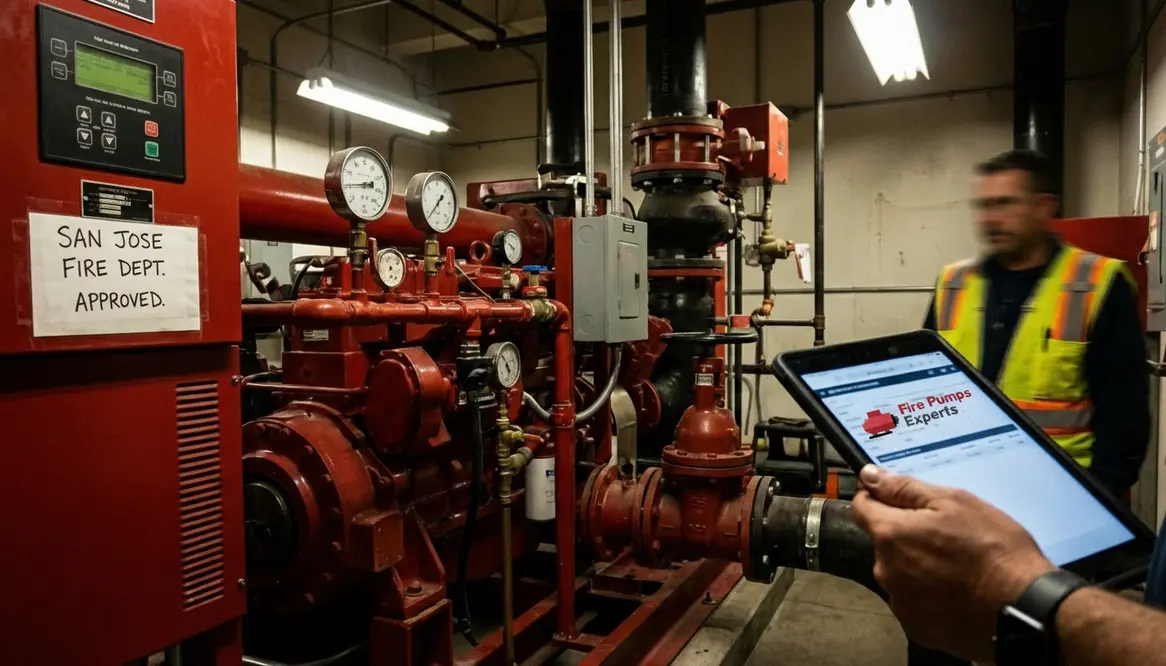
Fire Pump Hydraulic Demand San Jose Guide
I have spent enough time around mechanical rooms to know this truth: when things go quiet in a fire system, that is when you should start paying attention. In a place like San Jose, where commercial and industrial facilities hum day and night, selecting the right pump is not guesswork. It is precision. And when I talk about fire pump hydraulic demand San Jose, I am talking about the lifeblood of a building’s fire protection system. Get it right, and everything flows. Get it wrong, and well… even the best intentions will not put out a fire.
Understanding Hydraulic Demand in Real Buildings
I like to think of hydraulic demand as a conversation between water and resistance. The building asks for a certain flow and pressure, and the system must respond without hesitation. In San Jose facilities, especially large commercial sites and industrial plants, this demand is shaped by sprinkler density, pipe layout, elevation changes, and hazard classification.
Now, here is where it gets interesting. Two buildings may look identical from the outside, yet their hydraulic needs can be wildly different. One might house server racks that run hotter than a summer sidewalk, while another stores materials that do not forgive delays. Therefore, I always start with the actual demand curve, not assumptions. Because assumptions, much like outdated action movies, tend to age poorly.
How Do I Size a Fire Pump for a San Jose Facility?
I begin with the system demand point. That means identifying the required flow and pressure at the most demanding sprinkler location. Then, I match that requirement to a pump curve that can deliver consistently under real conditions.
However, I do not stop there. I account for suction supply, potential fluctuations in municipal water, and future expansion. Because if there is one thing facility managers dislike more than downtime, it is realizing the system cannot scale when operations grow.
So the answer is simple in words, but not in execution. I size the pump to meet demand with a margin of reliability, not excess. Oversizing may sound safe, but it often leads to inefficiency and maintenance headaches. And trust me, no one wants a pump that behaves like it drank too much espresso.
Key Factors That Shape Fire Pump Hydraulic Demand San Jose
When I evaluate a system, I focus on a few critical drivers that influence performance. Each one plays a role, and together they tell the full story.
System Design Elements
Pipe sizing and layout directly impact friction loss
Elevation changes increase pressure requirements
Sprinkler type affects discharge demand
Operational Considerations
Water supply variability in municipal systems
Future expansion plans in large facilities
Redundancy needs for mission critical operations
Additionally, San Jose brings its own nuances. Seismic considerations, strict codes, and dense infrastructure all influence how I approach pump selection. As a result, a one size solution simply does not exist here.
Avoiding Common Mistakes in Pump Selection
I have seen a few patterns over the years, and they repeat more often than reruns of classic sitcoms. First, people rely too heavily on static calculations without considering real world variability. Water supply is not always steady, and systems must adapt.
Second, some teams oversize pumps thinking bigger is better. In reality, that often leads to churn, overheating, and inefficient operation. It is like buying a race car to drive in rush hour traffic. Impressive, sure, but not practical.
Finally, ignoring maintenance access and lifecycle costs can turn a solid design into a long term burden. Therefore, I always factor in how the pump will perform five or ten years down the line, not just on day one.
Aligning Pump Selection with Facility Risk Profiles
Every facility tells a different story. A data center whispers urgency. A manufacturing plant speaks in heavier tones. So I align pump selection with the specific risk profile of the building.
For high value operations, I often recommend systems with redundancy and tighter performance tolerances. Meanwhile, for facilities with moderate risk, I focus on reliability and efficiency without overcomplication. In both cases, the goal remains the same: deliver water exactly where it is needed, exactly when it is needed.
And yes, sometimes that means having tough conversations about budget versus performance. But in my experience, clarity upfront saves far more than it costs.
Why Fire Pump Hydraulic Demand San Jose Requires Local Expertise
San Jose is not just another city on the map. It is a hub of innovation, dense infrastructure, and strict compliance standards. Because of this, selecting a fire pump here requires more than textbook knowledge.
I pay close attention to local codes, water supply characteristics, and seismic requirements. Moreover, I coordinate closely with engineers, contractors, and facility managers to ensure everything aligns. This collaborative approach keeps surprises to a minimum, and in this field, that is a very good thing.
Think of it like assembling a team for a heist movie. Everyone has a role, and if one piece falls out of sync, the whole plan unravels. Only here, the stakes are far more serious.
If you want to explore code details, reference resources such as https://firepumps.org while tailoring decisions to the specific realities of fire pump hydraulic demand San Jose projects face every day.
FAQ
Conclusion
When I approach fire pump selection, I treat it like a promise. A promise that water will arrive with the right force, at the right time, without hesitation. If you are managing a commercial or industrial facility in San Jose, now is the time to evaluate your system with precision. Let’s make sure your fire protection is not just compliant, but dependable when it matters most. Reach out and take control of your system’s performance today by looking closely at every element that shapes fire pump hydraulic demand San Jose facilities depend on.