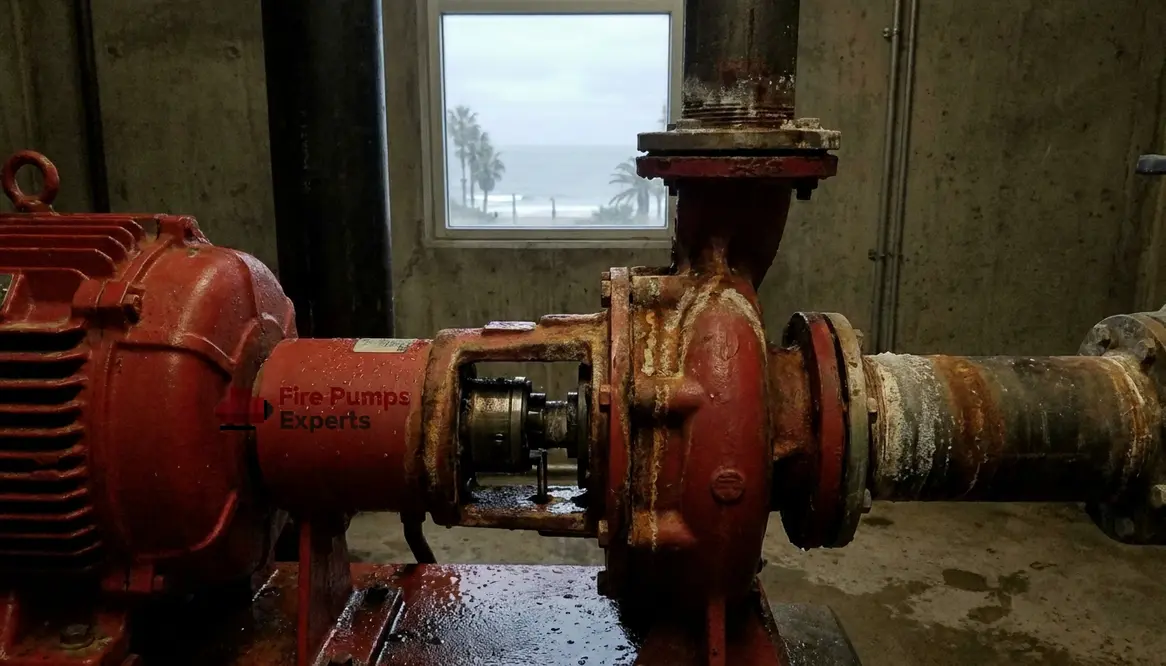
Fire Pump Seal Failure Santa Monica Coastal Guide
I have spent enough time around pump rooms to know that silence is rarely a good sign. In Santa Monica, the ocean air does not just bring postcard sunsets. It brings moisture, salt, and a steady push against equipment that prefers things dry and predictable. When I talk about fire pump seal failure Santa Monica, I am talking about a quiet, creeping issue that can turn into a loud, expensive problem at the worst possible moment. And yes, like a plot twist in a thriller, it usually shows up when you least expect it.
Understanding Fire Pump Seal Failure Patterns in Coastal Conditions
I have seen seal failures follow patterns as consistent as reruns of an old sitcom. First, humidity seeps in. Then, condensation forms. After that, corrosion and wear begin their slow dance. Eventually, the seal gives up. Not dramatically, not with fireworks, but with a leak that whispers before it roars.
In Santa Monica, high humidity speeds up this sequence. Because of that, elastomer components soften, metal faces corrode, and lubrication films break down faster than they should. As a result, seals that should last years may fail much sooner.
And here is the catch. Many facilities assume the issue is random. However, it rarely is. These failures often follow predictable environmental triggers, especially in large commercial and industrial buildings near the coast.
That is why understanding local conditions is not optional. If you operate near the shoreline and ignore the subtle signs of fire pump seal failure Santa Monica systems tend to show, you are essentially letting the environment design your maintenance schedule for you.
Why Does High Humidity Accelerate Seal Damage?
Let me answer this plainly. Moisture is relentless. It gets into places it should not, and once it settles, it changes everything.
First, humidity increases the risk of condensation inside pump housings. Consequently, water mixes with lubricants and reduces their effectiveness. Second, salt in coastal air acts like an uninvited guest that never leaves. It speeds up corrosion on seal faces and springs. Third, fluctuating temperatures cause expansion and contraction, which stresses seal materials over time.
I like to think of it as leaving your favorite tool outside overnight. One night might not ruin it. But do it enough times, and you will notice the damage. The same principle applies here, except the stakes are much higher.
When you mix humidity, salt, and time, you do not just age components; you rewrite their lifespan. Ignoring that combination is exactly how slow, preventable fire pump seal failure Santa Monica facilities experience turns into urgent capital expense.
Common Failure Patterns I See in Santa Monica Facilities
Over time, I have noticed specific patterns that repeat across large properties. Therefore, recognizing them early can save serious downtime and cost.
Typical signs include:
- Gradual leakage that increases during peak humidity periods
- Corrosion buildup on seal faces and nearby components
- Unusual vibration caused by uneven wear
- Sudden seal breakdown after long idle periods
Interestingly, systems that sit unused often fail faster once activated. It is almost like they are protesting. In reality, stagnant moisture has already done the damage.
If your logs show repeated seal replacements without a clear mechanical fault, that pattern is telling you something. It is not just bad luck. It is the story of fire pump seal failure Santa Monica weather quietly scripts in the background of your operations.
fire pump seal failure Santa Monica in Large Commercial Systems
When I step into a high rise or industrial facility, I approach the fire pump system with respect. These systems are not decorative. They are critical. Therefore, even a small seal issue can compromise performance when it matters most.
In Santa Monica, I have seen large facilities struggle with recurring seal failures because maintenance plans do not account for coastal humidity. As a result, seals wear unevenly, and failures become cyclical.
Moreover, many systems operate under variable demand. This inconsistency, combined with moisture exposure, creates the perfect storm for seal fatigue. It is not dramatic, but it is persistent. And persistence wins every time.
The facilities that stay ahead are the ones that accept this reality and engineer around it. They do not treat coastal conditions as an excuse; they treat them as a design parameter and a reason to tighten their approach to fire pump seal failure Santa Monica codes and insurers will absolutely ask about after an incident.
What Preventive Strategies Actually Work Near the Coast
I will be honest. There is no magic fix. However, there are strategies that work consistently when applied with discipline.
Environmental Controls
- Install dehumidifiers in pump rooms
- Improve ventilation to reduce condensation
- Monitor humidity levels continuously
Maintenance Practices
- Schedule frequent seal inspections
- Replace worn components before failure
- Use corrosion resistant materials when possible
Additionally, routine testing keeps seals active and lubricated. Think of it as exercise. Equipment that moves regularly tends to last longer. Equipment that sits still tends to surprise you, and not in a good way.
When you align environmental controls, disciplined inspections, and a realistic replacement schedule, you stop reacting and start managing. That is the difference between another year of quiet, reliable service and another emergency call about fire pump seal failure Santa Monica crews have to rush out to fix.
If you want a deeper technical reference on fire pump performance and reliability, resources like https://firepumps.org offer standards and guidelines that pair well with a site-specific coastal strategy.
How I Diagnose Early Seal Failure Without Guesswork
I rely on patterns, data, and a bit of instinct that comes from experience. First, I check for minor leaks that others might ignore. Then, I look at vibration trends and temperature changes. After that, I examine the seal faces directly when possible.
However, the real advantage comes from consistency. When inspections happen regularly, small changes become obvious. Without that baseline, everything looks normal until it is not.
And let me tell you, discovering a failure during an emergency test is about as fun as finding out your phone battery is at one percent during a crisis scene. Not ideal.
FAQ: Fire Pump Seal Issues in Coastal Environments
Taking Control Before the Next Failure
I always say this. The ocean is not going anywhere, and neither is the humidity. However, your approach can change everything. If you manage fire pump seal failure Santa Monica proactively, you stay ahead of costly breakdowns and unexpected downtime. Now is the time to assess your system, tighten your maintenance plan, and invest in prevention. Because when the moment comes, your system should perform flawlessly, not tell you a cautionary tale.
You do not need a complete overhaul to make progress. Start with better data, more honest inspections, and maintenance that respects what coastal air is doing to your equipment every single day. From there, each upgrade and material choice becomes a step away from surprise failures and a step toward a system you can count on when the alarms sound.