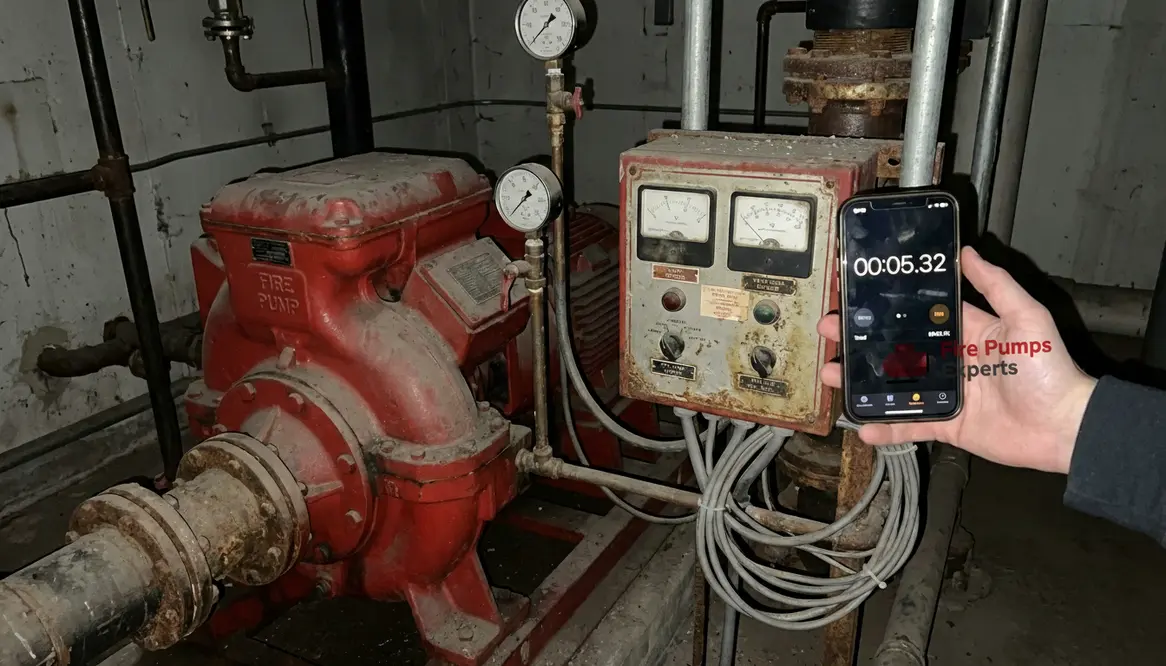
Fire Pump Start Delay Modesto Risks and Fixes
I have spent years walking through mechanical rooms where time seems to move a little slower, where pipes hum quietly and old controllers blink like they are thinking about retirement. In places like these, fire pump start delay Modesto is not just a technical issue. It is a risk that hides in plain sight. And while everything may look fine during a routine glance, those extra seconds during an emergency can feel like an eternity. Think of it like waiting for your coffee machine to start brewing on a Monday morning. Except here, the stakes are far higher than caffeine.
What Causes Fire Pump Start Delay in Older Systems
I often find that older systems develop delays for reasons that stack up over time. First, outdated controllers struggle to respond quickly. They were built for a different era, and while they have served well, they are not exactly built for speed.
Then, there is wear and tear. Contacts corrode, wiring loosens, and sensors lose precision. As a result, signals take longer to travel, and the pump hesitates before coming to life. In addition, voltage drops in aging electrical infrastructure can slow motor startup.
And let me be honest, sometimes the system is simply tired. Like an old pickup truck that needs a few tries before it turns over, these pumps may eventually start, but not fast enough when it matters most.
Why Start Delays Put Commercial Buildings at Risk
In commercial and industrial facilities, timing is everything. A delayed fire pump can mean that sprinkler systems do not receive adequate pressure right away. Consequently, fire suppression efforts lose their critical early advantage.
I have seen facilities assume their systems are reliable just because they pass basic inspections. However, inspections do not always measure response speed under real conditions. And that gap can be dangerous.
Meanwhile, insurance providers and compliance standards are becoming stricter. They expect systems to perform instantly, not eventually. So if your system hesitates, you are not just facing a mechanical issue. You are facing liability, downtime, and potential damage that escalates quickly.
In a city where commercial growth has been steady, ignoring fire pump start delay Modesto issues means accepting unnecessary risk in buildings that should be ready for anything.
How Do I Know If My System Has a Delay
I usually tell facility managers to trust both data and instinct. If something feels slow, it probably is.
Clear signs that your pump is dragging its feet
Noticeable lag between pressure drop and pump activation
Inconsistent startup times during testing
Clicking sounds before full engagement
Control panels that respond sluggishly
Additionally, modern testing tools can measure response times precisely. So instead of guessing, you can see exactly how long your system takes to react. And yes, sometimes the answer is not what people want to hear.
Fire Pump Start Delay Modesto Solutions That Actually Work
Now, here is the good news. Fixing delays is not about replacing everything at once. Instead, I focus on targeted upgrades that deliver immediate improvements.
Common problems and practical fixes
Problems
Aging controllers
Worn electrical contacts
Voltage inconsistencies
Outdated sensing equipment
Solutions
Upgrade to modern digital controllers
Replace critical electrical components
Stabilize power supply systems
Install high sensitivity pressure sensors
As a result, response times improve dramatically. In many cases, I have seen systems go from sluggish to sharp without a full overhaul. It is a bit like giving that old pickup truck a new engine instead of sending it to the scrapyard.
Modernization Without Disrupting Operations
One concern I hear often is downtime. After all, large facilities cannot simply shut everything off for upgrades. Fortunately, phased improvements allow work to happen without interrupting daily operations.
For example, controller upgrades can be installed alongside existing systems before switching over. Meanwhile, component replacements can be scheduled during low activity periods. This approach keeps protection active at all times.
And yes, it requires planning. But compared to the cost of a delayed response during an emergency, the effort is more than worth it.
Staying Ahead of Fire Pump Start Delay Modesto Issues
I always say that prevention beats reaction. Regular performance testing, not just basic inspections, keeps systems honest. It reveals small delays before they become big problems.
Additionally, documenting response times over months or years helps spot trends. If startup times slowly increase, that is your early warning sign. And catching it early means simpler, less expensive fixes.
Think of it like going to the gym. Skip it long enough, and things get sluggish. Stay consistent, and everything runs smoother. The same mindset keeps fire pump start delay Modesto problems from quietly building up behind closed doors and locked mechanical room doors.
FAQ
Take Control Before Seconds Turn Into Consequences
If you manage a commercial or industrial property, now is the time to act. I encourage you to evaluate your system, measure its response, and address any hesitation head on. Because when a fire starts, every second counts, and delays are not an option.
Connect with experts who understand these systems inside and out, and make sure your protection works exactly when it should. Your building, your people, and your peace of mind depend on it. If you want a deeper technical breakdown, resources like https://firepumps.org can give you a solid foundation before you schedule on-site testing or upgrades.
Whether your building is brand new or decades old, treating fire pump start delay Modesto concerns as a priority is one of the simplest ways to turn a vulnerable system into a reliable one, long before anyone has to find out the hard way.