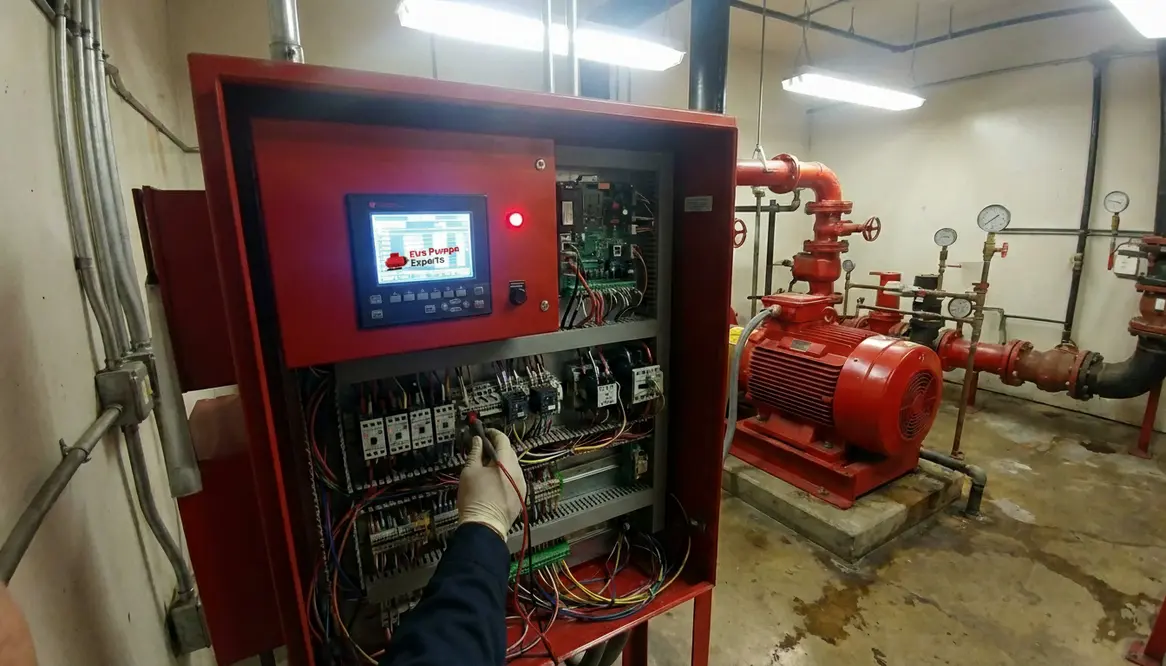
Fire Pump Controller Failure Anaheim Warning Signs
I have spent enough time around commercial pump rooms to know this truth: when a system fails, it rarely announces itself with drama. It whispers first. And in Anaheim, where large facilities depend on precise fire protection, a fire pump controller failure Anaheim scenario can quietly grow from a minor logic issue into a full blown emergency. So today, I want to walk you through what really goes wrong inside these controllers, why it matters, and how we stay ahead of trouble before it ever gets the spotlight.
What actually causes fire pump controller failure Anaheim issues?
Let me answer this plainly. It is rarely just one thing. Instead, it is a chain reaction. Controllers rely on logic sequences, pressure signals, and electrical timing. When one piece drifts, the rest follows like dominoes.
For example, I have seen pressure switches misread conditions due to calibration drift. As a result, the pump either fails to start or runs when it should not. Meanwhile, outdated firmware or worn relays can delay response times. And yes, even something as simple as loose wiring can create inconsistent signals.
Now here is where it gets interesting. Many systems appear fine during routine checks. However, under real demand, the logic fails to execute correctly. It is a bit like a backup actor suddenly asked to lead the show. Not everyone is ready for that moment.
How I diagnose controller logic failures in large commercial systems
I approach every system like a detective story. First, I review event logs. These logs tell a timeline of decisions made by the controller. Then, I simulate demand conditions to observe behavior in real time.
Additionally, I check for timing delays between signals and responses. In high rise buildings or industrial facilities, even a fraction of a second matters. If the controller hesitates, water delivery may lag behind fire growth.
And yes, sometimes I find what I call ghost signals. These are inconsistent inputs caused by electrical noise or grounding issues. They confuse the controller logic, leading to unpredictable behavior. Think of it like trying to follow GPS directions while someone keeps changing the destination mid drive.
Key warning signs I never ignore in Anaheim facilities
Over the years, I have learned to trust patterns. Systems rarely fail without leaving clues.
- Frequent false starts which suggest unstable pressure readings
- Delayed pump activation pointing to relay or logic timing issues
- Unexplained alarms often tied to communication faults
- Inconsistent test results where performance varies between runs
Moreover, when multiple minor issues appear together, I take it seriously. Individually, they seem harmless. Together, they signal a deeper logic problem waiting to surface.
Inside the system: where logic breaks down and why it matters
Input Layer
Sensors feed pressure and flow data. If calibration drifts, the controller makes decisions based on bad information.
Processing Layer
This is where programmed logic lives. Errors here often stem from outdated configurations or improper updates.
Output Layer
Signals trigger pump motors and alarms. Worn components can delay or block execution.
Power Integrity
Fluctuations or grounding issues disrupt the entire chain, creating unpredictable outcomes.
When any of these layers fail, the system does not simply stop. Instead, it behaves inconsistently. And inconsistency in fire protection is something I treat with zero tolerance.
Preventing fire pump controller failure Anaheim in critical properties
I believe prevention is not just maintenance. It is strategy. First, I ensure regular calibration of all sensors. Then, I verify that controller firmware aligns with current system demands.
In addition, I push for load testing under realistic conditions. A quick inspection is not enough. Systems must prove they can perform when it counts.
And let me say this with a small smile. Skipping deeper testing to save time is like skipping leg day at the gym. It might seem fine now, but eventually, it shows.
Finally, I always recommend documenting every adjustment. That way, future technicians are not left guessing. Consistency builds reliability, and reliability saves property and lives.
Why Anaheim facilities face unique controller challenges
Anaheim presents a mix of large commercial complexes, industrial operations, and high occupancy buildings. Because of this, systems often run more frequently and under varying loads.
Additionally, environmental factors such as temperature shifts inside mechanical rooms can affect electronic components. Over time, this stresses controller logic and increases failure risk.
Therefore, I treat each facility as its own ecosystem. What works in one building may not hold up in another. Adaptation is key, especially when trying to prevent any hidden fire pump controller failure Anaheim surprises from showing up when they are least welcome.
How local expertise supports Anaheim properties
Facilities in this city benefit from working with teams who understand local codes, inspection habits, and the quirks of aging infrastructure. When someone can recognize the early patterns of fire pump controller failure Anaheim systems tend to show, problems get fixed before they ever impact an emergency response.
If you are looking for technical guidance, resources at https://firepumps.org can help point you toward standards, reference material, and training that keep these systems operating as intended.
FAQ: Fire Pump Controller Logic Failures
What is a fire pump controller logic failure?
It is when the controller fails to correctly process inputs and trigger the pump as designed.
How often should controllers be tested?
Monthly visual checks and annual full performance testing are standard for commercial systems.
Can software updates fix logic issues?
Yes, but only if the issue is software based. Hardware faults require physical repair or replacement.
What is the biggest risk of controller failure?
Delayed or failed pump activation during a fire event.
Are older systems more at risk?
Yes, especially if they lack modern diagnostics or updated components.
Final thoughts and next steps
I always say this: a fire pump system is only as reliable as its controller. When logic fails, everything behind it follows. So if you manage a commercial or industrial property in Anaheim, do not wait for warning signs to turn into headlines. Take control now. Schedule a full system evaluation, test under real conditions, and make sure your controller performs exactly when it is needed most. Because in this line of work, timing is everything.