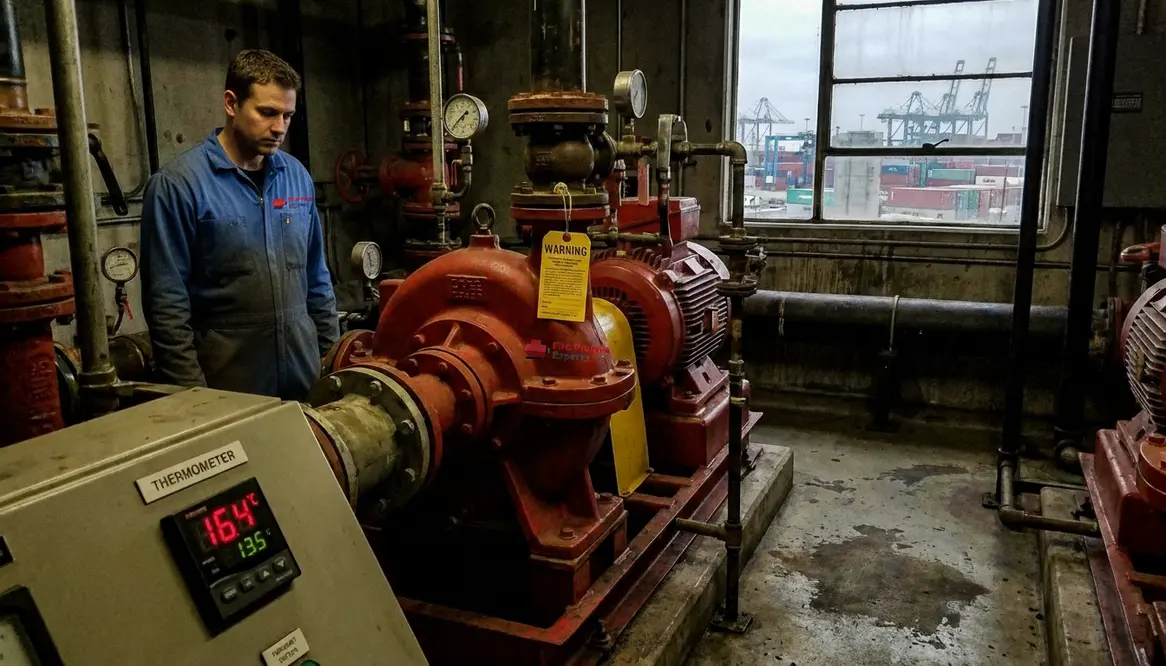
Fire Pump Churn Condition Long Beach Risks and Fixes
A closer look at what happens when powerful fire pumps in Long Beach keep spinning without moving water, why that matters, and how to stop it before it gets expensive.
I have spent years around fire protection systems, and I can tell you this with a calm certainty. The phrase fire pump churn condition Long Beach may sound like technical jargon, yet it describes a very real moment when a powerful machine runs without moving water. In a city filled with high rises, ports, and industrial facilities, that moment matters more than most realize. And yes, while it may not sound as exciting as a Hollywood car chase, it can heat up faster than one if ignored.
What happens during a fire pump churn condition Long Beach?
Let me paint the picture. A fire pump starts, but no water flows through the system. The pump spins, energy builds, and the water inside begins to heat. It is like revving your car engine in neutral. It sounds impressive, but you are not going anywhere, and eventually, something will protest.
In large commercial systems across Long Beach, this scenario often occurs during testing or when valves remain closed. As a result, the energy has nowhere to go. The water temperature rises quickly, and internal components begin to feel the strain.
Moreover, the longer the pump churns, the greater the risk. Seals degrade, bearings wear, and heat buildup becomes more than just a minor inconvenience. It becomes a silent threat.
Why heat buildup becomes a serious issue in large facilities
Now, let us talk about heat, because this is where things get interesting. In industrial and commercial buildings, fire pumps are not small machines tucked away in a closet. They are robust systems designed to move large volumes of water at high pressure.
However, during churn, all that energy converts into heat within a confined space. Consequently, temperatures can rise fast enough to damage internal components. Think of it like leaving a kettle on the stove with no outlet. Eventually, something gives.
Additionally, in Long Beach facilities where systems may run frequent tests, repeated churn conditions can slowly weaken the pump. Over time, this leads to reduced reliability when the system is actually needed. And that is not a moment where you want surprises.
Common causes behind churn conditions in Long Beach systems
I have seen patterns repeat themselves, and they often come down to a handful of causes. While each facility has its quirks, the root issues tend to align.
Operational factors
- Closed discharge valves during testing
- Improper system sequencing
- Delayed valve openings
- Control panel misconfigurations
Mechanical and design factors
- Missing or undersized relief valves
- Faulty circulation relief lines
- Wear in pump components
- Outdated system layouts in older buildings
Furthermore, I often find that human oversight plays a role. Someone assumes a valve is open. It is not. The pump starts anyway. Cue the heat buildup, stage left.
How do I prevent fire pump churn condition Long Beach in my building?
Here is where things shift from problem to solution. Prevention does not require magic. It requires attention, planning, and a bit of discipline.
First, I always recommend verifying valve positions before any test or operation. It sounds simple, yet it prevents a surprising number of issues. Next, installing and maintaining circulation relief valves ensures that water has somewhere to go during low flow conditions.
Additionally, routine inspections make a world of difference. When I walk into a facility, I look for signs of past heat stress, worn seals, or unusual noise patterns. These clues tell a story, and they often point to repeated churn events.
And let us not forget training. A well trained team can spot a problem before it becomes a headline. Or worse, a very expensive lesson.
The hidden costs of ignoring churn conditions
Now, if you think this is just about equipment wear, let me gently correct that. The financial impact can extend far beyond the pump itself.
For instance, repeated exposure to heat buildup can shorten the lifespan of critical components. Consequently, replacement cycles become shorter, and maintenance costs climb. In large commercial properties, that adds up quickly.
Moreover, system reliability takes a hit. When a fire emergency occurs, the last thing you want is hesitation from your fire pump. It needs to perform without question, without delay, and without drama.
Frankly, ignoring churn conditions is like ignoring the check engine light. It might not explode today, but it is not sending you a thank you note either.
Practical monitoring strategies that actually work
I like solutions that work in the real world, not just on paper. Therefore, I focus on monitoring methods that give clear, actionable insights.
Smart instrumentation
Temperature sensors, for example, provide immediate feedback during operation. If heat begins to rise, operators can respond quickly. Likewise, pressure monitoring helps identify when the pump is operating without proper flow.
People and procedures
In addition, integrating alerts into building management systems allows teams to react in real time. This is especially valuable in large Long Beach facilities where systems run across multiple zones.
And yes, sometimes the simplest approach still wins. Regular walk throughs, careful listening, and a trained eye can catch what sensors might miss. Think of it as old school wisdom meeting modern tech, like vinyl records making a comeback.
Conclusion
When I look at fire protection systems, I see more than equipment. I see a promise of safety. Addressing churn conditions, managing heat buildup, and maintaining readiness are not optional. They are essential. If you manage a commercial or industrial facility in Long Beach, now is the time to take a closer look at your fire pump performance. Reach out, schedule an inspection, and ensure your system stands ready when it matters most.
If you are unsure where to start, reviewing guidance from resources such as https://firepumps.org and working with a qualified local specialist can help you evaluate how often a fire pump churn condition Long Beach could be quietly stressing your system.