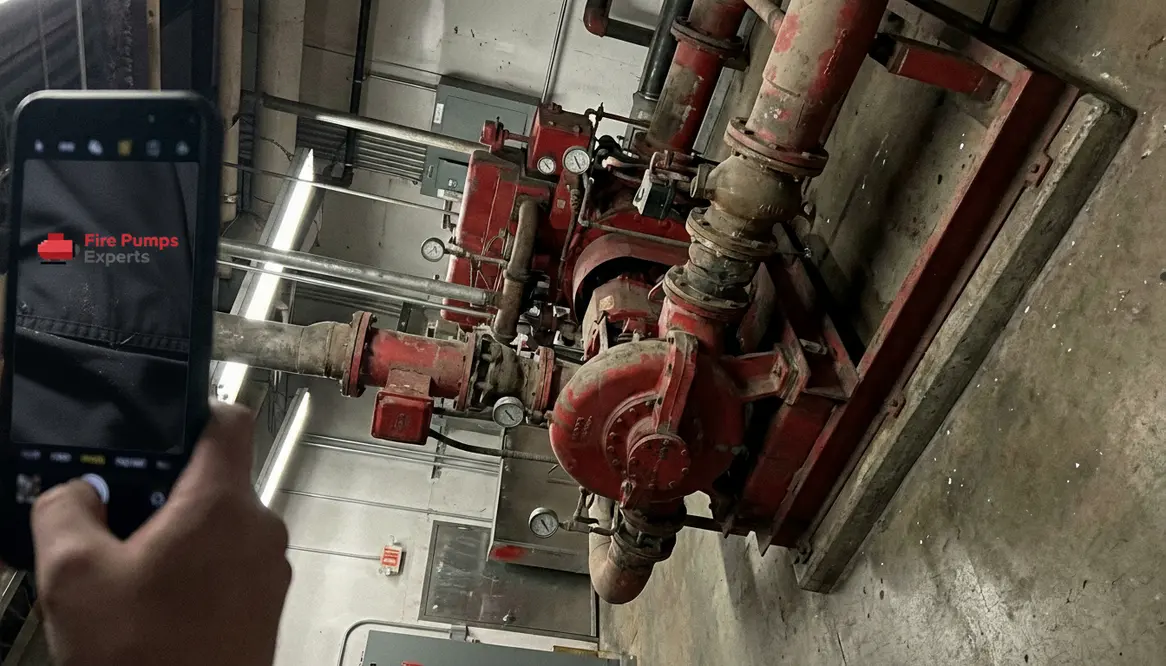
Fire Pump Performance Degradation Sacramento Guide
I have spent years walking through the mechanical rooms of large Sacramento buildings, listening closely to the steady hum of fire pumps that most people never notice. Yet, behind that quiet hum lies a serious issue many facility managers overlook: fire pump performance degradation Sacramento. It does not happen overnight. Instead, it creeps in slowly, like a villain in a movie you only recognize in the final act. And by then, the stakes are high.
So, let’s talk about what really happens over time, why it matters, and how to stay ahead of it without losing sleep or your budget.
What Causes Fire Pump Performance Loss in Sacramento Buildings?
Right away, I can tell you this is not about one single failure point. Instead, it is a combination of wear, environment, and, frankly, human nature. We tend to trust equipment that has always worked. However, trust without verification is how problems grow quietly.
In Sacramento, water quality plays a major role. Minerals build up inside pump components, slowly narrowing flow paths. As a result, efficiency drops. At the same time, seals and bearings wear down. Even a slight misalignment can reduce output over months.
Moreover, many commercial and industrial facilities operate under fluctuating demand. That stop and go usage pattern stresses the system. Think of it like city driving versus highway cruising. One is much harder on the engine.
And yes, sometimes maintenance gets delayed. I get it. Budgets, schedules, priorities. But fire pumps do not care about spreadsheets.
How Do I Know My Fire Pump Is Losing Performance?
You might expect alarms and flashing lights, but in reality, degradation is subtle. Therefore, you need to pay attention to trends rather than dramatic failures.
First, watch your pressure readings. If they begin to drift downward during routine testing, that is an early signal. Additionally, flow test results may show reduced capacity compared to baseline data.
Another sign is longer startup times. The pump may hesitate before reaching full speed. It is almost like it needs a cup of coffee before getting to work.
Furthermore, unusual vibration or noise often points to internal wear. While it might sound like background chatter, it is actually your system asking for help.
Finally, energy consumption can creep upward. When a pump works harder to deliver less, your utility bill quietly tells the story.
Inside Fire Pump Performance Degradation Sacramento Facilities Face
Now, let’s step deeper into what is happening inside the pump itself. Because this is where the real story unfolds.
Mechanical Wear
Impellers erode over time, especially when water carries sediment. This reduces their ability to move water efficiently.
Seal Deterioration
Seals lose integrity, leading to small leaks that reduce pressure and increase internal friction.
Corrosion
Even treated water can cause corrosion. Over time, internal surfaces become rough, disrupting flow.
Controller Drift
Control systems can fall out of calibration, causing delayed or inconsistent performance during activation.
When you combine these factors, the result is a system that technically runs, but no longer performs as designed. And in fire protection, “almost working” is not good enough.
Why Sacramento’s Environment Speeds Up Degradation
Here is where geography steps into the spotlight. Sacramento’s climate and infrastructure create unique conditions that accelerate fire pump wear.
For one, seasonal temperature swings affect equipment expansion and contraction. Over time, this stresses components. Additionally, regional water characteristics can introduce scaling inside the pump.
Urban infrastructure also plays a role. Large commercial buildings often rely on older piping systems. These can introduce debris or inconsistencies in water supply, further taxing the pump.
And let’s not forget operational demands. High occupancy buildings, data centers, and industrial facilities require reliable fire protection systems that are always ready. That constant readiness adds pressure, even when the system is idle.
In short, Sacramento is not gentle on fire pumps. It is more like a long running TV series where the main character never gets a break.
How to Prevent Fire Pump Performance Degradation Sacramento Issues
The good news is this is entirely manageable. However, it requires consistency and a bit of discipline.
First, routine testing is non negotiable. Weekly churn tests and annual flow tests provide critical data. More importantly, comparing results over time reveals trends before they become failures.
Next, proactive maintenance matters. Replace worn components before they fail. It is far less dramatic and far less expensive.
Also, invest in professional inspections. Experienced technicians can spot subtle issues that automated systems miss. Think of it as having a seasoned detective on your side.
Another key step is data tracking. Keep detailed records of performance metrics. Over time, patterns emerge that guide smarter decisions.
Finally, do not ignore small anomalies. A minor pressure drop today can become a major compliance issue tomorrow. If you want a deeper reference point, you can review guidance at https://firepumps.org while tailoring it to the realities of fire pump performance degradation Sacramento buildings experience.
FAQ: Fire Pump Performance in Commercial Buildings
Stay Ahead Before the System Falls Behind
I have seen what happens when fire pump issues are ignored, and it is never convenient and rarely cheap. On the other hand, staying ahead of fire pump performance degradation Sacramento challenges is entirely within reach. With consistent testing, sharp observation, and expert support, your system will perform when it matters most. If you manage a commercial or industrial facility, now is the time to act, not later when the stakes are higher.