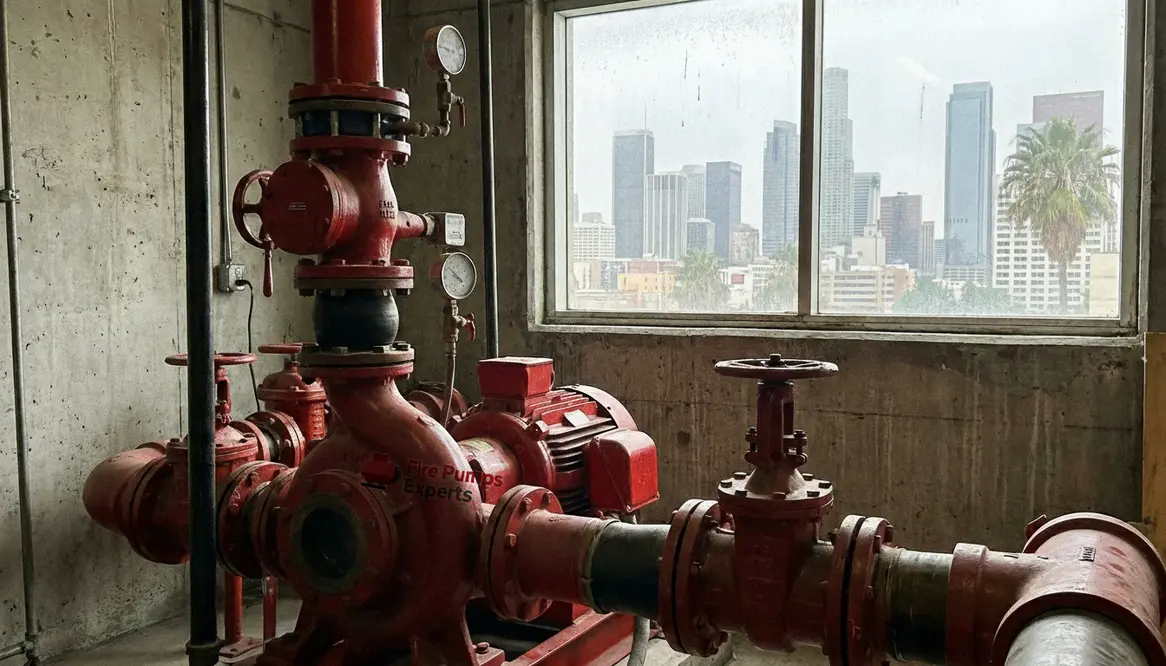
Office Tower Fire Pump Los Angeles Guide
I have spent years walking through tall mechanical rooms where the hum of a pump can feel like a heartbeat. In Los Angeles, that rhythm matters even more. When I talk about an office tower fire pump Los Angeles decision, I am not just talking about equipment. I am talking about lives, code compliance, and keeping a skyline standing. So, let me walk you through it, calmly and clearly, with just enough humor to keep us both awake.
How do I choose the right fire pump for a high rise in Los Angeles?
First, I look at the building itself. Height, occupancy, and water demand all shape the answer. Then, I check local codes because Los Angeles does not play around. In fact, the fire department expects precision, not guesswork.
Next, I match flow rate and pressure requirements. A high rise needs enough pressure to push water to the top floors without hesitation. Therefore, I calculate total demand, including sprinkler systems and standpipes.
Finally, I select the pump type. Electric pumps are common, however diesel pumps offer reliability during power loss. And yes, choosing between them can feel like picking between Batman and Iron Man. Both work, but context decides the winner.
Understanding code compliance and local expectations
Los Angeles follows strict fire codes, and inspectors expect everything to align perfectly. Because of that, I always start with NFPA 20 standards, then layer in local amendments. This is where many projects stumble.
Moreover, seismic considerations matter here. Equipment must stay anchored and operational after movement. So, I make sure the pump, controller, and piping can handle that stress.
Additionally, I coordinate with fire authorities early. That way, I avoid surprises later. No one enjoys last minute redesigns, especially when deadlines loom like a movie villain in the final act.
Key components that make or break system performance
Not all fire pump systems are created equal. In fact, the difference often comes down to supporting components.
Core Elements
- Pump assembly sized for demand
- Reliable driver, electric or diesel
- Controller with clear diagnostics
- Pressure sensing lines properly installed
Support Systems
- Backup power or fuel supply
- Seismic bracing and anchoring
- Test headers for maintenance checks
- Proper ventilation and drainage
Because each part plays a role, I treat the system as a whole. If one piece fails, the entire system can struggle. And in fire protection, struggle is not an option.
Why sizing and pressure calculations demand precision
I always say this plainly. Oversizing a pump is not a safety margin. It is a mistake. While it might sound safer, it can damage pipes and create unstable pressure conditions.
Instead, I calculate exact demand curves. Then, I align the pump performance curve to meet those needs without excess. As a result, the system runs smoothly and efficiently.
Also, I factor in future building use. Office towers evolve. Tenants change. Therefore, I leave room for flexibility without going overboard. Think of it like ordering food. Enough to satisfy, not enough to feed an entire stadium.
office tower fire pump Los Angeles challenges you should expect
Los Angeles brings unique challenges. Water supply can vary by district, so I verify municipal flow data early. In some cases, I even recommend supplemental storage tanks.
Additionally, space constraints often complicate installations. Mechanical rooms are not always generous. Therefore, I design layouts that maximize access without crowding.
Then there is noise control. Office tenants do not want to hear a pump kick on like a rock concert. So, I include vibration isolation and acoustic planning from the start.
For any office tower fire pump Los Angeles project, these realities shape the design far more than glossy brochures or marketing claims. The real work happens in the details, not the taglines.
Planning for maintenance and long term reliability
A fire pump is not a set it and forget it system. In reality, it needs routine testing and inspection. Because of that, I design systems with easy access and clear testing points.
Weekly churn tests, annual flow tests, and periodic inspections all play a role. Moreover, documentation must stay organized and accessible.
I also recommend remote monitoring when possible. It gives building managers insight into performance trends. And honestly, catching a small issue early beats dealing with a major failure later.
If you manage an office tower fire pump Los Angeles portfolio, building a disciplined maintenance culture will pay off more than any shiny new gadget. Reliability is rarely accidental.
FAQ
Bringing it all together
When I approach a fire protection system, I think beyond equipment. I think about performance, safety, and longevity. Choosing the right setup for a high rise is not guesswork. It is a careful balance of science, code, and experience. So, if you are planning or upgrading a system, take the time to get it right. Work with experts who understand the stakes and the details. Because when everything is on the line, you want a system that performs without hesitation.
If you want more background material and reference details while planning an office tower fire pump Los Angeles strategy, resources like https://firepumps.org can help frame the technical side while you focus on the real goal: keeping people safe and keeping that skyline standing.