Fire Pump AS 2941 Sydney Commercial Requirements
Fire Pump Requirements Under AS 2941 for Commercial Buildings in Sydney
I have spent enough time around plant rooms to know one thing. Fire pumps are not glamorous. They do not sparkle like glass towers or get applause like a grand opening. Yet, when things go wrong, they become the quiet hero of the story. And in Sydney, the fire pump AS 2941 Sydney requirements set the tone for how these systems perform under pressure, quite literally. Within the first moments of an emergency, compliance is not a box to tick. It is the difference between control and chaos.
So, let me walk you through what actually matters, without the jargon overload. Think of this as less of a lecture and more of a calm voice in the control room, guiding you through the essentials.
Fire pumps sit in the background of commercial buildings, humming away in obscurity, until suddenly they are the most important piece of equipment on site. The standards wrapped into the fire pump AS 2941 Sydney requirements are what turn that quiet presence into dependable performance when the alarms start screaming.
If you work with high-rise offices, shopping centres, industrial facilities, or mixed-use towers, this standard is not just paperwork. It shapes how your building responds in those tense minutes between alarm and outcome.
What AS 2941 Actually Demands From Commercial Fire Pump Systems
At its core, AS 2941 is about reliability. Not “works most of the time” reliability. The fire pump AS 2941 Sydney requirements are built around “works when everything else is failing” reliability. In commercial and industrial buildings across Sydney, this standard defines how fire pump systems should be designed, installed, and maintained so they respond under worst case conditions.
Flow, Pressure, And Redundancy
First, the system must deliver consistent water flow and pressure. That means pumps are sized based on worst case scenarios, not optimistic guesses. This includes taking into account simultaneous demand from sprinklers, hydrants, and hose reels, plus the friction losses across long pipe runs and vertical rises.
Redundancy plays a big role. Duty and standby pumps are common because betting everything on a single unit is like trusting one WiFi bar during a live stream. Bold, but risky. If one pump fails or refuses to start, the other must carry the load without a dramatic pause.
Power, Control, And Fail-Safe Operation
Controllers, power supplies, and alarms must all align with strict requirements. If one piece fails, the system should still function. It is less “nice to have” and more “non negotiable.” The fire pump AS 2941 Sydney requirements specify how automatic starting, failover between power sources, and alarm signaling should behave when things go sideways.
The standard expects controllers to start automatically, run continuously, and resist creative manual interference. In an emergency, nobody has time to flip switches like they are launching a spaceship.
Designing Systems That Do Not Flinch Under Pressure
When I approach a system design under the fire pump AS 2941 Sydney requirements, I focus on performance under stress. Not theoretical stress. Real world chaos: power loss, multiple zones activating, valves half shut by mistake, and people all wanting the system to work perfectly anyway.
Suction Conditions And Water Supply
Suction conditions must be carefully planned. Poor suction design can cause cavitation, which is a polite way of saying your pump starts tearing itself apart. Not ideal during a fire event. Proper tank sizing, pipe layout, strainer selection, and water supply reliability become critical ingredients in a system that survives its own workload.
For many Sydney sites, that means balancing town main supplies, onsite storage tanks, and back-up arrangements, especially where pressure or flow from the street is marginal or inconsistent.
Choosing Between Electric, Diesel, Or Both
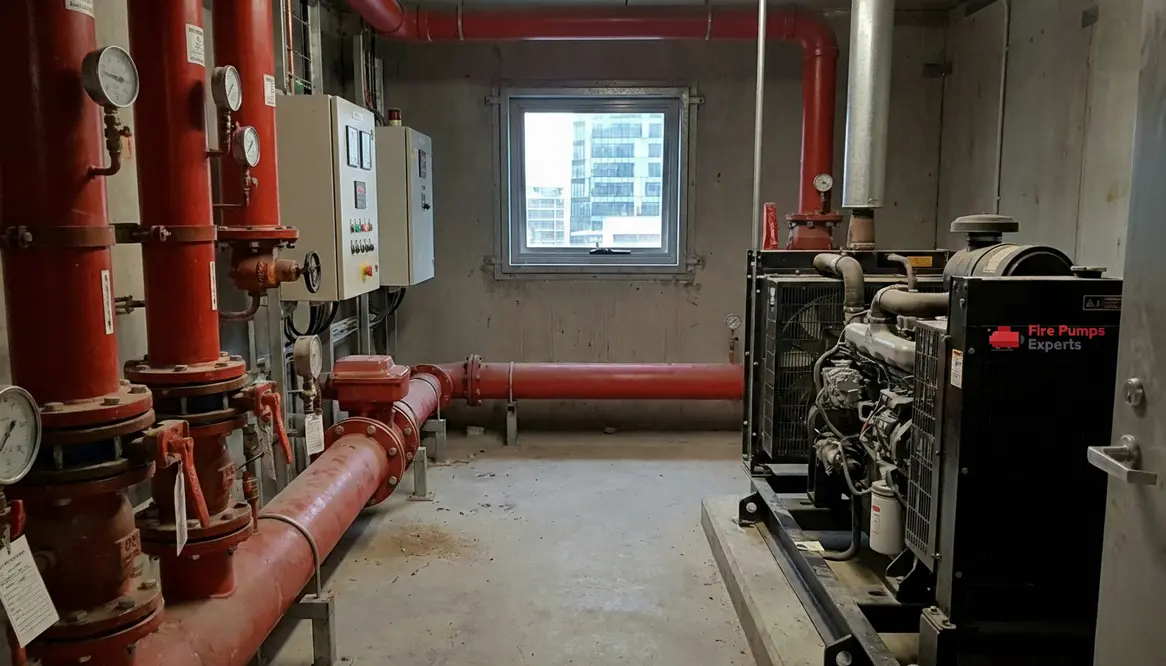
Pump selection matters. Electric, diesel, or both: each has its place. Electric pumps are clean and efficient, often easier to maintain, and can be compact. Diesel pumps bring independence from grid failures and are a staple where essential services must keep running through blackouts.
In many commercial properties, combining both is the safest bet. The standard’s framework, and the broader fire pump AS 2941 Sydney requirements, lean heavily toward resilience when external services cannot be trusted.
Control Panels As The Brains Of The Operation
Controllers are the brains of the operation. They must start automatically on pressure drop, run without sulking, and keep going until someone with the right authority shuts them down. Manual stops must be protected from casual fingers. The user interface should be clear enough that, in the worst five minutes of someone’s year, they can still understand what is going on.
Installation Realities In Large Sydney Properties
Design is only half the story. Installation is where drawings meet concrete, steel, and occasionally questionable architectural decisions. In major commercial buildings, space is often tight. Plant rooms compete with everything from HVAC systems to storage and car park ramps.
Space, Access, And Environment
AS 2941 does not bend just because the architect ran out of room. Clearances, ventilation, drainage, and safe access must all meet the standard. Pumps, engines, and controllers need enough room around them for testing, maintenance, and eventual replacement without cutting through walls.
Noise and vibration control also matter, especially in mixed use commercial environments. Nobody wants a fire pump that sounds like a drum solo at 3 am under the penthouse.
Pipework Layout And Hydraulics
Pipework must be installed to reduce friction loss and avoid unnecessary bends. Every tight elbow in a pipe is like asking the pump to work harder for no good reason. And pumps remember that. Smooth routing and sensible velocities keep the system calm when the demand spikes.
Anchoring, bracing, and flexible connections also come into play, particularly in taller buildings or where vibration could transfer into occupied spaces.
Two Sides Of Compliance And Performance
Compliance Focus
- Adhering to AS 2941 specifications
- Meeting Sydney authority approvals
- Ensuring correct documentation and testing
- Installing approved components only
Performance Focus
- Delivering reliable pressure during peak demand
- Maintaining long term system durability
- Reducing downtime and false starts
- Supporting real emergency conditions
Both sides matter. Compliance gets you approved. Performance keeps people and property protected. The best projects treat the fire pump AS 2941 Sydney requirements as the floor, then design for a higher ceiling of performance and resilience.
Maintenance: Where Most Systems Quietly Fail
Here is a truth that does not get enough attention. Most fire pump failures do not come from bad design. They come from neglect.
Regular testing under AS 2941 ensures the system performs as intended. Weekly churn tests, monthly inspections, and annual flow testing are not optional rituals. They are essential checkpoints that quietly confirm the pump will do its job on the worst day of the year.
Components like seals, bearings, and controllers need periodic review. Ignoring these is like skipping oil changes and expecting your car to last forever. Spoiler alert. It will not. In Sydney’s commercial sector, where building uptime is critical, proactive maintenance also protects business continuity. Downtime during an emergency is not just inconvenient. It is costly.
Common Pitfalls In Sydney Commercial Projects
Even experienced teams can slip up. I have seen systems that technically comply but struggle in real conditions, especially when multiple fire scenarios stack up. The difference between “complies on paper” and “works in reality” is where the fire pump AS 2941 Sydney requirements should be backed by practical experience.
Undersized Infrastructure
One common issue is undersized infrastructure. Designers sometimes aim for minimum compliance rather than optimal performance. While that might pass inspection, it leaves little margin for error if demand is higher than predicted or if future building modifications quietly increase the hydraulic load.
Poor Integration With Other Fire Systems
Another recurring problem is poor integration with other fire systems. Sprinklers, hydrants, hose reels, detection, and alarms must work together seamlessly. If they do not, the entire protection strategy becomes less effective, no matter how compliant the pump itself appears.
Documentation And Traceability
Finally, documentation often gets overlooked. Clear records of design, testing, and maintenance are vital. Without them, troubleshooting becomes guesswork, and nobody wants to play detective during an emergency. A well-documented system also makes handover between owners, facility managers, and maintenance contractors far smoother.
FAQ
Conclusion
If you are managing or developing a commercial property in Sydney, do not treat fire pump systems as an afterthought. The right design, installation, and upkeep aligned with AS 2941 can protect lives, assets, and operations. The fire pump AS 2941 Sydney requirements form a solid framework, but it takes experienced designers, installers, and maintainers to turn that framework into a system that performs without hesitation.
Work with specialists who understand large scale systems and local authority expectations. Make room in the budget for proper commissioning and ongoing testing, not just the cheapest set of pumps that fit on a drawing. When everything else is on the line, you want a system that has been tested, documented, and proven ready for the worst five minutes your building may ever see. That peace of mind is worth every bit of effort.