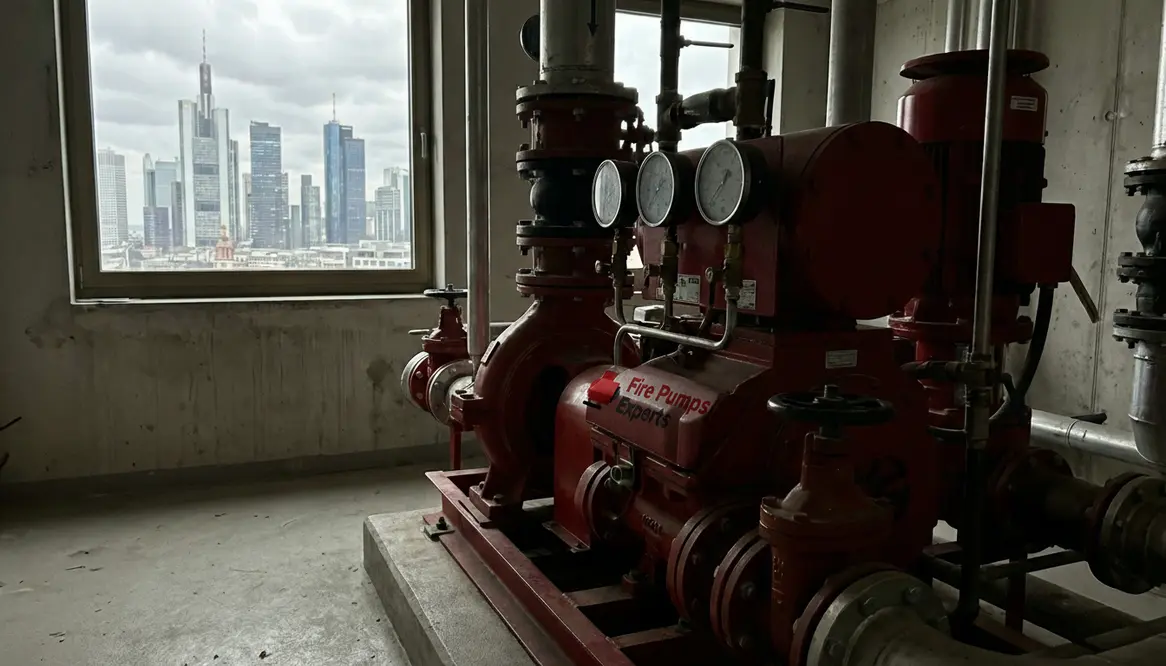
Fire Pump High Rise Frankfurt Performance Guide
I have spent years around mechanical rooms that hum like quiet orchestras, and if there is one thing I have learned, it is this: when it comes to fire pump high rise Frankfurt systems, performance is not optional. It is everything. In a city where towers stretch confidently into the sky, fire protection must rise just as high, just as fast, and with zero hesitation. And yes, while it may not sound as thrilling as an action movie, trust me, when a fire pump performs flawlessly, it is the closest thing to a real life superhero moment you will get without a cape.
How Fire Pump Performance Supports High Rise Safety in Frankfurt
First things first, I look at fire pumps as the heartbeat of a building’s fire protection system. Without steady pressure and reliable flow, even the best sprinkler systems become decorative plumbing. In Frankfurt’s high rise commercial and industrial buildings, vertical distance adds complexity. Water does not naturally want to climb 40 floors. It needs a serious push.
Therefore, performance is measured by consistency under pressure. I always focus on how quickly the pump reaches full capacity, how stable it remains during operation, and how it handles peak demand. Because in an emergency, delays are not dramatic pauses like in movies. They are costly seconds.
Moreover, Frankfurt regulations demand strict compliance. So, every system must meet both local codes and international standards. That means testing is not a suggestion. It is routine, scheduled, and documented down to the last detail.
What factors impact fire pump efficiency in tall buildings?
I get this question a lot, and the answer is not just one thing. It is a combination of engineering choices and ongoing care.
Key performance factors I monitor
- Building height and pressure zones: Taller buildings often require zoning to maintain consistent pressure.
- Pump type and sizing: Oversized pumps waste energy, undersized ones risk failure.
- Water supply reliability: Even the best pump cannot work magic without adequate supply.
- Control systems: Modern controllers ensure rapid response and smooth operation.
- Maintenance frequency: A neglected pump is like a gym membership you never use. Technically present, practically useless.
Additionally, I always emphasize that efficiency is not just about performance during testing. It is about readiness at any moment. Fires do not RSVP.
Fire Pump High Rise Frankfurt Compliance and Testing Standards
Now, let us talk about compliance, which sounds about as exciting as watching paint dry, but stick with me. It is where reliability is proven.
In Frankfurt, high rise fire pump systems undergo rigorous inspection routines. I have seen facilities treat testing like a box checking exercise, and that is where problems begin. Instead, I approach it like a performance review where failure is not an option.
Typical testing I rely on
- Weekly churn tests to ensure the pump starts properly
- Monthly flow tests to verify output under load
- Annual full performance testing against design curves
Furthermore, documentation plays a major role. If it is not recorded, it did not happen. And in a city known for precision, that mindset fits right in. When reviewing a fire pump high rise Frankfurt inspection record, I want to see every reading, every trend, and every note laid out clearly, not a vague checklist with half-hearted ticks.
Smart Monitoring and Modern Fire Pump Systems
Technology has changed the game, and honestly, it is about time. I remember when diagnostics meant standing next to a vibrating pump and pretending you could “feel” the problem. Now, smart systems do the heavy lifting.
Traditional systems
- Manual inspections
- Delayed fault detection
- Limited data tracking
- Reactive maintenance
Modern systems
- Real time monitoring
- Instant alerts
- Performance analytics
- Predictive maintenance
As a result, I can now identify inefficiencies before they become failures. It is like having a crystal ball, except it runs on sensors instead of magic. And in commercial high rise environments, that foresight is invaluable. For a fire pump high rise Frankfurt installation, smart monitoring often means the difference between a minor adjustment caught early and a catastrophic failure discovered too late.
Common Performance Issues and How I Solve Them
Even the best systems can stumble. The key is knowing where to look and acting fast.
Typical symptoms I watch for
I often encounter issues like pressure drops, delayed starts, or unusual vibration. Each one tells a story. For example, a pressure drop might point to pipe friction losses or valve issues. Meanwhile, delayed starts often trace back to controller faults.
However, I never rely on guesswork. I combine data analysis with physical inspection. Because while technology is powerful, it does not replace experience. It enhances it.
And yes, sometimes the fix is surprisingly simple. I once saw a major system underperform because of a partially closed valve. It was the mechanical equivalent of trying to drink a milkshake through a coffee stirrer. Not effective. The lesson for any fire pump high rise Frankfurt setup is straightforward: never underestimate the impact of one overlooked component in a very long chain of dependencies.
FAQ: Fire Pump Systems in Frankfurt High Rise Buildings
Below are some of the most common questions I hear when planning or reviewing a fire pump high rise Frankfurt project, especially in demanding commercial and industrial properties that cannot afford downtime or uncertainty.
Conclusion: Reliable Fire Pump Performance Starts with the Right Partner
When I look at a fire pump high rise Frankfurt system, I see more than equipment. I see responsibility. Every valve, every sensor, every surge of pressure plays a role in protecting lives and major commercial assets. So if you are managing a high rise property, do not leave performance to chance. Work with experts who understand the stakes, respect the standards, and know how to keep your system ready at all times. Because when it matters most, reliability is everything. For deeper technical insights and best practices, resources like https://firepumps.org can complement the on-site expertise you rely on.