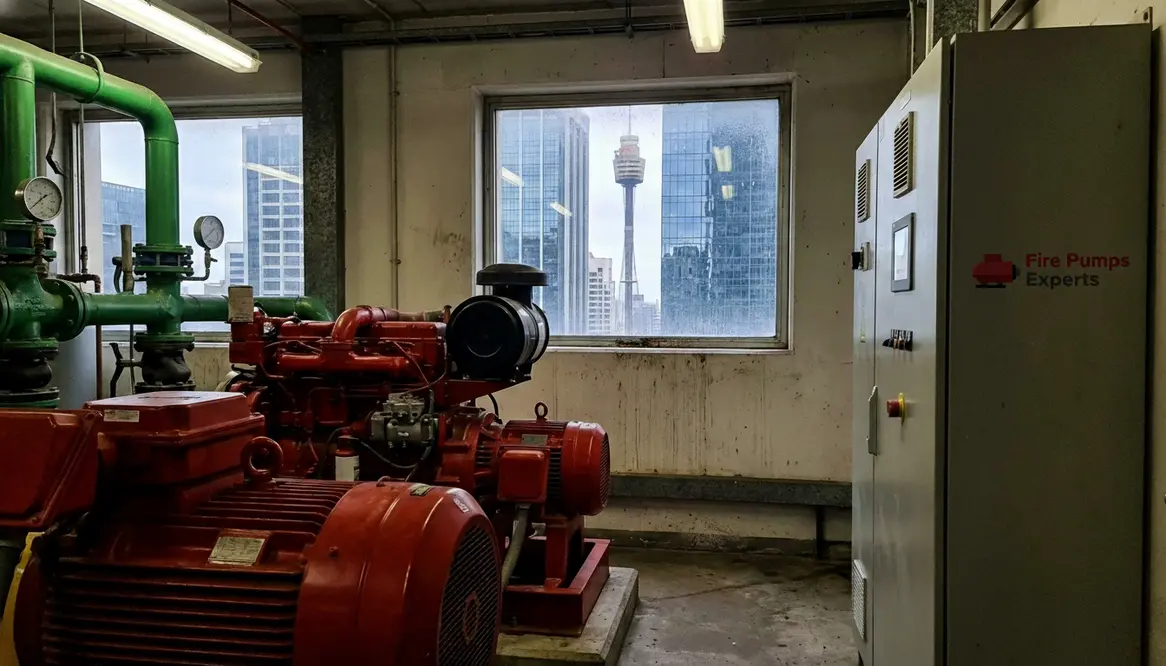
Fire Pump High Rise Sydney CBD System Guide
I have spent enough time around plant rooms and high rise cores in Sydney to know one thing for certain. When it comes to a fire pump high rise Sydney CBD setup, there is no room for guesswork. The skyline may look calm and polished from the outside, but behind those walls sits a system that must perform flawlessly under pressure. Quite literally. And while fire pumps are not exactly the Avengers of building services, when things go wrong, they are the heroes you want assembled and ready.
So let me walk you through how I approach fire pump selection for tall commercial and industrial buildings in the Sydney CBD. I keep it practical, grounded, and just interesting enough to stop you from checking your phone halfway through.
Understanding the Demands of High Rise Fire Protection
First, I always look at the building itself. Height, occupancy, and usage shape everything. A 40 storey office tower behaves very differently from a mixed use commercial complex. Therefore, I assess pressure zones, vertical lift, and flow requirements early on.
In Sydney CBD, buildings often push vertical limits. Consequently, the fire pump must overcome both static head and friction loss. That means higher pressures and carefully calculated flow rates. If you underestimate either, the system will struggle. And in this line of work, “struggle” is not a word you want in your vocabulary.
Moreover, compliance with Australian Standards such as AS 2419 and AS 2941 is non negotiable. These are not suggestions. They are the rulebook.
How do I choose the right fire pump high rise Sydney CBD system?
I start with performance requirements, then match them with the right pump type. It sounds simple, but the details matter.
Here is my approach:
- I calculate required flow based on hydrant and sprinkler demand
- I determine total head including elevation and pipe losses
- I confirm redundancy requirements for critical systems
- I select a pump curve that operates efficiently under peak demand
Then, I choose between common configurations. Electric pumps are reliable and clean. Diesel pumps, however, step in when power fails. And in a city grid, power failure is rare but not impossible. So I often specify both, because redundancy is not paranoia. It is planning.
Key Components That Make or Break the System
A fire pump is not just a pump. It is part of a larger ecosystem. Therefore, I focus on how each component works together.
Mechanical Side
- Pump and driver alignment
- Suction supply reliability
- Pressure relief systems
- Pipe sizing and layout
Control and Power
- Automatic start systems
- Backup power integration
- Monitoring and alarms
- Compliance with fire panels
Meanwhile, I never ignore the suction conditions. Poor suction is like trying to drink a thick milkshake through a tiny straw. Eventually, something gives. Usually not in your favor.
Designing for Sydney CBD Conditions
Now, Sydney CBD adds its own flavor to the mix. Space is tight. Access is limited. And building services are often layered like a very expensive lasagna.
So, I design with constraints in mind. компакт pump rooms, efficient layouts, and noise control all matter. After all, no one leasing premium office space wants to hear a diesel engine roaring like a scene from Mad Max.
Additionally, I factor in local authority requirements and water supply conditions. Sydney Water infrastructure can vary, so I never assume consistent pressure or flow. Instead, I validate everything during design.
And yes, I also think about maintenance access. Because a system that cannot be serviced easily will not stay reliable for long. It is that simple.
Avoiding Common Pitfalls in High Rise Pump Selection
I have seen a few mistakes repeat themselves over the years. Therefore, I try to eliminate them early.
- Oversizing the pump, which leads to inefficiency and wear
- Ignoring pressure zoning, causing uneven system performance
- Poor integration with building management systems
- Skipping redundancy in critical commercial assets
However, the biggest mistake is treating each building the same. No two high rises in Sydney CBD behave identically. Each one demands a tailored approach. Copy and paste design belongs in spreadsheets, not in life safety systems.
Balancing Compliance, Performance, and Cost
I get it. Budgets matter. But cutting corners on fire systems is like buying a parachute at a discount store. It might look fine until you actually need it.
So, I aim for balance. I meet compliance first. Then I optimize performance. Finally, I manage cost through smart design choices, not shortcuts. For instance, selecting efficient pump curves can reduce long term operational expenses without compromising safety.
In commercial and industrial buildings, this balance becomes even more critical. These are high value assets with high occupancy. The fire pump system must reflect that level of importance.
FAQ About Fire Pump Selection in High Rise Buildings
Final Thoughts and Next Steps
Choosing the right system for a fire pump high rise Sydney CBD project is not just engineering. It is responsibility. I design each system to perform under pressure, comply without compromise, and last through years of service. If you are planning or upgrading a commercial or industrial high rise, now is the time to get it right. Reach out, and let us build something that works when it truly matters.