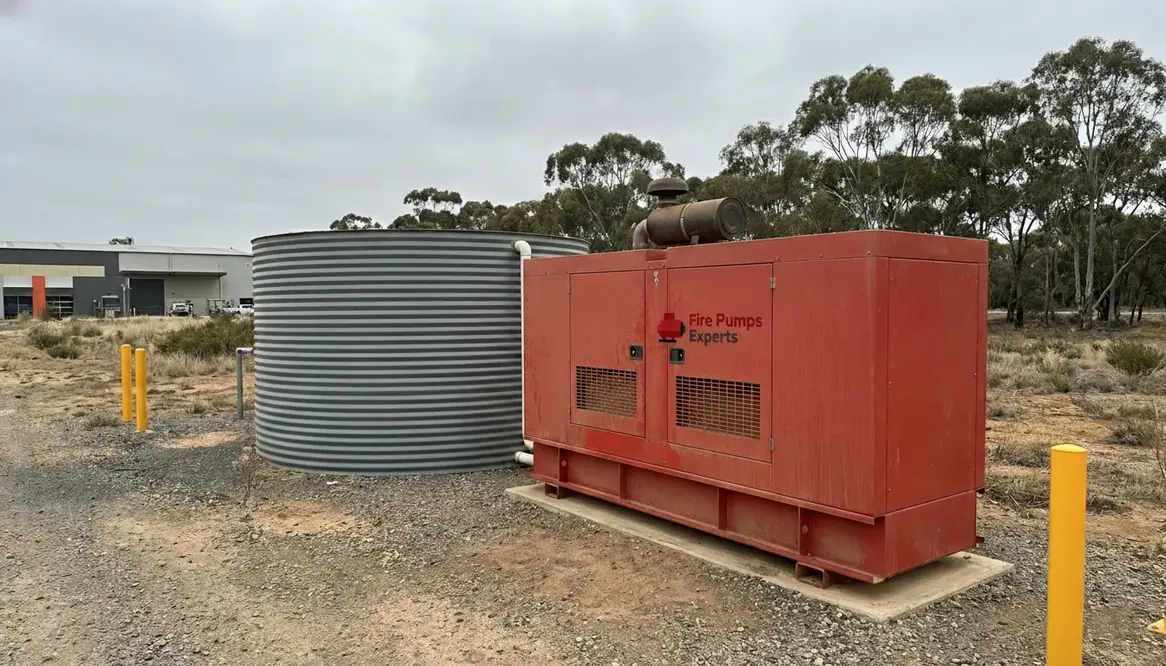
Fire Pump Bushfire Zones NSW Design Guide
I have spent enough time around fire systems to know one thing with absolute certainty. When bushfire season arrives in New South Wales, it does not knock politely. It kicks the door in like it owns the place. That is exactly why fire pump bushfire zones NSW design is not just a technical requirement. It is a frontline defense for commercial and industrial facilities that cannot afford failure. From logistics hubs to manufacturing plants, the right system can mean the difference between controlled risk and catastrophic loss. And yes, while this topic may sound about as exciting as watching paint dry, stick with me. There is more strategy here than a game of chess in a Bond film.
What makes fire pump systems different in bushfire prone regions?
Let me answer this straight away. Bushfire environments are unpredictable, fast moving, and brutally intense. Therefore, designing fire pump systems in these areas requires more than standard compliance. I focus on resilience, redundancy, and raw performance.
Unlike urban fire risks, bushfires bring radiant heat, ember attacks, and long duration exposure. As a result, I design systems that can sustain operation even when external conditions deteriorate rapidly. This means selecting pumps that maintain pressure under stress, using protected water sources, and ensuring backup power is not just available but reliable.
Additionally, materials matter. I avoid components that fail under heat stress. Think of it like casting for a survival movie. You do not pick the character who trips over nothing. You pick the one who keeps running.
Core components of fire pump bushfire zones NSW systems
Every strong system begins with a solid backbone. In this case, I build around a few essential components that work together seamlessly.
Water Supply
I prioritize dedicated water storage such as tanks or reservoirs. Mains supply alone is not enough during bushfires.
Pump Type
Diesel driven pumps often take the lead. Why? Because power outages love to show up uninvited during emergencies.
Control Systems
Automatic start systems ensure immediate activation. No hesitation. No manual delay.
Pipework Design
I route pipes to minimize exposure to heat and physical damage. Protection is part of the design, not an afterthought.
Redundancy
Backup pumps and duplicate lines provide insurance against failure.
Testing Access
Systems must be easy to test. If it cannot be tested, it cannot be trusted.
Together, these components create a system that does not just function. It endures.
How I design for compliance and real world performance
Compliance is the baseline. Performance is the goal. In New South Wales, I align designs with relevant standards and bushfire construction requirements. However, I never stop at ticking boxes.
For example, I consider site specific risks such as vegetation density, wind exposure, and access limitations for emergency services. Then, I adjust pump capacity and layout accordingly. In other words, I treat every site like its own ecosystem.
Moreover, I factor in duration. Bushfires do not run on a neat schedule. Therefore, I ensure that water supply and pump endurance can handle extended operation. It is a bit like preparing for a marathon, except the track is on fire and the stakes are significantly higher.
Design strategies that protect commercial and industrial assets
Layered protection for high value facilities
When I work on large scale facilities, I focus on layered protection. One system alone is rarely enough.
First, I integrate fire pumps with hydrant and sprinkler systems. This ensures both internal and external coverage. Then, I look at perimeter defense. Dedicated hydrants or monitors can create a protective barrier against approaching flames.
Next, I position pump houses strategically. They must remain accessible yet shielded from direct fire exposure. This balance is crucial. After all, placing critical equipment in harm’s way defeats the purpose.
Finally, I plan for operational continuity. Facilities need to resume quickly after an event. Therefore, I design systems that are not only durable but also easy to inspect and restart. Think of it as building a system that can take a punch and still show up for work the next day.
Common pitfalls I avoid in bushfire pump system design
Design mistakes that quietly sabotage performance
I have seen designs that look impressive on paper but fail under pressure. So, I steer clear of a few common mistakes.
- First, undersized pumps. They may save costs upfront, but they collapse when demand spikes.
- Second, over reliance on grid power. As mentioned earlier, outages are almost guaranteed during major bushfires.
- Another issue is poor maintenance planning. A system that cannot be easily serviced will eventually fail. It is not a matter of if, but when.
- And finally, ignoring site layout leads to inefficient coverage and vulnerable zones.
In short, I design with reality in mind. Not just theory. Because fire does not care about intentions.
Why fire pump bushfire zones NSW planning is a long term investment
Risk, continuity, and real world value
Some decision makers see fire systems as a compliance cost. I see them as an investment in continuity and protection. For commercial and industrial properties, downtime can be more damaging than the fire itself.
By implementing robust fire pump systems, I help facilities reduce risk, protect assets, and maintain operational stability. Additionally, insurers tend to look more favorably on properties with well designed systems. So yes, there is a financial upside too.
And let us be honest. Peace of mind is hard to price. Knowing that your facility is prepared for one of nature’s most aggressive threats is worth every bit of effort. When fire pump bushfire zones NSW planning is handled with long term thinking, you are not just buying hardware. You are buying resilience.
How fire pump bushfire zones NSW design supports on the ground response
When crews arrive during a bushfire, they do not have time to negotiate with a poorly thought out system. Hose connections must be obvious, access routes must be clear, and flows must be predictable. Effective fire pump bushfire zones NSW design gives firefighters a tool they can trust, not a puzzle they have to solve while everything is burning.
That includes clear isolation points, well marked hydrants, and layout plans that match reality, not just a consultant’s sketch. When systems are intuitive, firefighting teams can move faster, apply water where it actually matters, and keep the focus where it belongs: on controlling the fire and protecting people and assets.
FAQ
Conclusion
If you manage or own a commercial or industrial facility, now is the time to take fire protection seriously. I design systems that stand up to real bushfire conditions, not just paperwork requirements. With the right fire pump strategy in place, you protect your assets, your operations, and your future. Reach out today and let us build a system that is ready before the fire ever arrives, and make sure your approach to fire pump bushfire zones NSW is as resilient as the facilities you are trying to protect.