Fire Pump Logistics Netherlands for Safe Warehouses
I have spent enough time around distribution centers in the Netherlands to know one thing for sure. When everything moves fast, safety systems must move faster. That is where fire pump logistics Netherlands becomes more than a technical phrase. It becomes the quiet backbone of massive warehouses, humming in the background like a reliable bassline in a movie score. You may not notice it at first, but when it matters, it shows up with authority.
And yes, fire pumps are not exactly dinner table conversation. But stick with me. I promise we will make this journey smoother than a late night narration, with a few well placed chuckles along the way.
What fire pump systems keep Dutch logistics hubs running safely?
I usually explain it like this. In a logistics hub, speed is king, but control is queen. Fire pump systems ensure that control never slips, even when the unexpected happens.
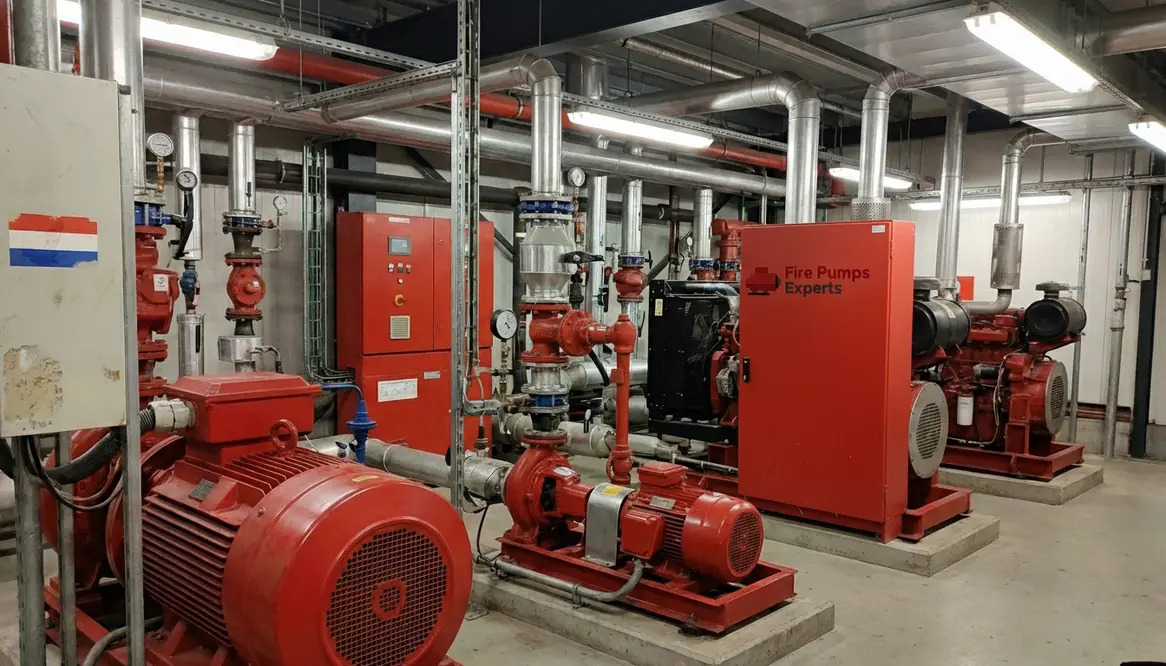
Most facilities rely on a combination of electric, diesel, and jockey pumps. Electric fire pumps are the dependable workhorses. They connect directly to the power supply and respond instantly. However, when power fails, diesel pumps step in like the understudy who secretly knows all the lines better than the lead actor.
Then there are jockey pumps. These smaller units maintain system pressure so the main pumps do not activate unnecessarily. Think of them as the quiet assistant who keeps everything ready before the boss even walks in.
Because Dutch logistics hubs operate around the clock, redundancy is not optional. It is essential. And that is exactly why these systems are layered with precision.
Understanding Fire Pump Logistics Netherlands Infrastructure
When I walk through a modern warehouse in Rotterdam or Eindhoven, I notice how integrated everything feels. Fire protection is not an afterthought. It is baked into the building’s DNA.
Water supply and pressure
Water supply plays a major role here. Many logistics hubs rely on large storage tanks combined with high capacity pumps. This setup ensures consistent pressure even during peak demand. After all, sprinklers without pressure are like coffee without caffeine. Technically present, but not doing much.
Control, monitoring, and uptime
Additionally, advanced control panels monitor performance in real time. These systems detect pressure drops, trigger alarms, and activate backup pumps without hesitation. As a result, response times shrink to seconds, not minutes.
In the Netherlands, strict regulations guide these designs. Compliance is not just about ticking boxes. It is about ensuring continuity for operations that handle millions of goods daily.
Electric vs Diesel Fire Pumps in Logistics Facilities
Now let us break it down in a way that even your most sleep deprived operations manager would appreciate.
Electric Fire Pumps
Pros
- Instant startup
- Lower maintenance
- Quiet operation
Cons
- Dependent on power supply
- Requires stable electrical infrastructure
Diesel Fire Pumps
Pros
- Independent of electrical grid
- Reliable during outages
- High durability
Cons
- Higher maintenance
- Fuel storage requirements
In practice, most large scale facilities across the Netherlands use both. It is not about choosing sides. It is about building a system that refuses to fail.
How do regulations shape fire pump choices in the Netherlands?
I like to think of Dutch regulations as that strict but fair teacher. You may grumble, but you end up better prepared.
Standards such as NFPA guidelines and European EN standards influence system design heavily. Moreover, insurance requirements often push facilities to go beyond minimum compliance. As a result, fire pump logistics Netherlands solutions often include extra redundancy and advanced monitoring.
Authorities also require regular testing and maintenance. This ensures that systems do not just exist on paper but perform in real conditions. And trust me, a fire pump that only works in theory is about as useful as a parachute packed by guesswork.
Smart technology and automation in fire pump logistics Netherlands
Connected systems and remote insight
Here is where things get interesting. Modern logistics hubs are not just big boxes with shelves. They are smart ecosystems.
Fire pump systems now integrate with building management platforms. This allows operators to monitor performance remotely, receive alerts instantly, and even predict maintenance needs. Consequently, downtime drops, and reliability climbs.
Sensors, automation, and response
Sensors track pressure, temperature, and flow rates continuously. If something drifts out of range, the system reacts immediately. It is like having a vigilant guard who never sleeps, never blinks, and definitely does not scroll social media on the job.
Automation also ensures seamless coordination between pumps, valves, and sprinklers. Therefore, response becomes synchronized rather than reactive.
Why tailored fire pump solutions matter for large scale facilities
Different warehouses, different risks
Every logistics hub has its own rhythm. Some handle cold storage. Others manage high value electronics. Each environment presents unique risks.
Because of this, a one size fits all approach simply does not work. I have seen facilities where custom pump configurations made all the difference. Higher pressure systems for tall storage racks. Specialized corrosion resistant materials for coastal locations. Enhanced backup systems for critical supply chains.
Aligning strategy with operations
When fire pump logistics Netherlands strategies align with the specific demands of a facility, safety becomes proactive rather than reactive. And that shift changes everything.
FAQ
Conclusion
If you manage or design a large scale facility, now is the time to take a closer look at your fire protection strategy. The right fire pump system does more than meet regulations. It protects operations, assets, and reputation. Explore tailored fire pump logistics Netherlands solutions that match your facility’s demands, and ensure your infrastructure stands ready, no matter what challenges come through the door.