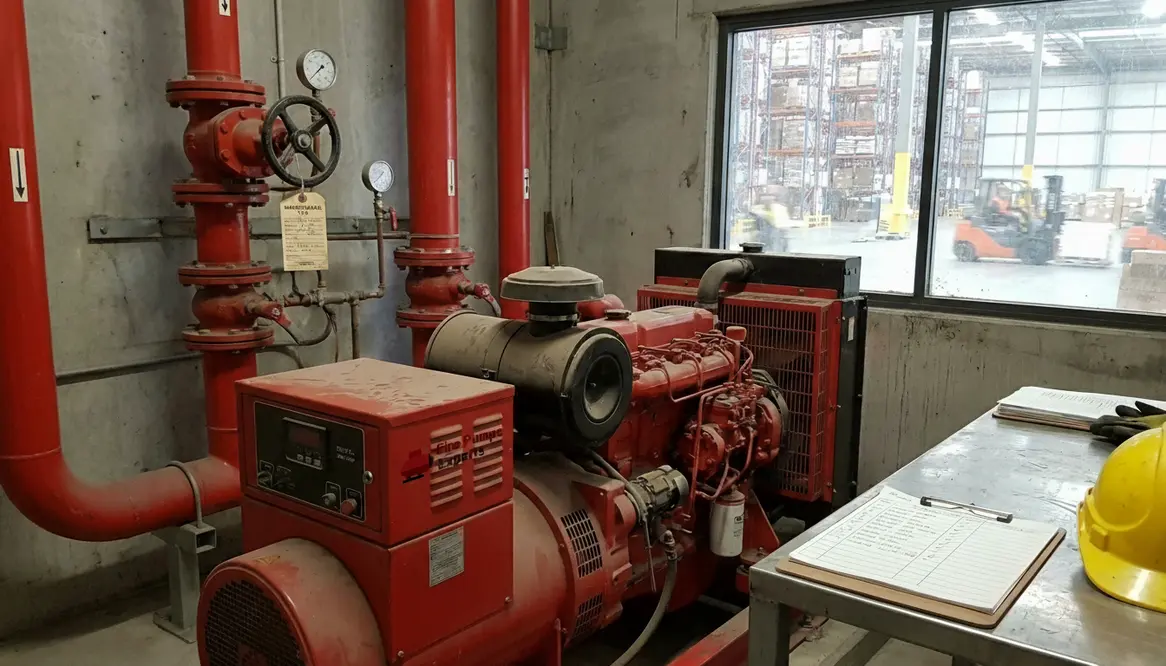
Fire Pump Distribution Center Sydney Design Guide
I have spent enough time around large scale facilities to know one thing for certain. When you walk into a distribution center in Western Sydney, you are not just stepping into a warehouse. You are stepping into a living system that never really sleeps. And right at its core sits a quiet guardian. The fire pump distribution center Sydney setup. It does not shout for attention, but when things go wrong, it becomes the hero of the story.
So today, I will walk you through how I approach designing these systems. Not with fluff. Not with guesswork. But with clarity, purpose, and just a pinch of humor to keep us awake.
Understanding Risk in Western Sydney Distribution Hubs
First, I look at risk like a detective studies a crime scene. Western Sydney is growing fast, and with that growth comes dense logistics hubs packed with high rack storage, automated systems, and enough cardboard to make a bonfire jealous.
Because of that, I always start with hazard classification. High piled storage changes everything. Fire spreads faster, heat builds quicker, and suppression needs muscle. Therefore, I design systems that respond with force and precision, not hesitation.
Moreover, local climate plays a role. Summers can be unforgiving. So I factor in temperature impacts on water supply and pump efficiency. It is not glamorous, but neither is explaining to a client why their system underperformed.
How do I design a fire pump system for a large distribution center?
I begin with water. Always water. Without reliable supply, everything else is just expensive decoration.
I calculate demand based on sprinkler design density and hose stream requirements. Then I select pumps that can meet peak demand without breaking a sweat. Think of it like casting an action hero. You do not hire someone who gets tired halfway through the movie.
Next, I focus on redundancy. Because one pump is good, but two pumps say, “we came prepared.” I typically integrate duty and standby pumps, ensuring continuity even during maintenance or failure.
After that, I consider power sources. Electric pumps are efficient, but diesel pumps bring independence. And in critical facilities, independence is everything.
Finally, I align everything with Australian standards and local authority expectations. Compliance is not optional. It is the baseline.
Fire Pump Distribution Center Sydney Planning Essentials
Hydraulic Precision
I map out pressure zones carefully. Large facilities often require zoning to maintain consistent performance across vast floor areas. Without this, one corner floods while another barely gets a drizzle.
System Integration
I ensure the pump system works seamlessly with sprinklers, hydrants, and detection systems. Because a fire response should feel like a symphony, not a garage band rehearsal.
Future Expansion
Distribution centers grow. Shelving gets higher. Operations scale. So I design with headroom. It saves money and headaches later.
Access and Maintenance
I position equipment where technicians can actually reach it. Sounds obvious, yet I have seen setups that require yoga level flexibility just to check a valve.
Choosing the Right Pump Configuration
Not all pumps are created equal. And not all facilities need the same setup.
I often choose between horizontal split case pumps and vertical turbine pumps. The decision depends on available water sources and space constraints. For example, when underground tanks are involved, vertical turbines shine.
In addition, I pay attention to controller systems. Smart controllers give real time feedback, which means issues are spotted before they become disasters. It is like having a security guard who never blinks.
And yes, noise matters. Diesel pumps can sound like a rock concert. So I design enclosures that keep peace with nearby operations. Because nobody wants their warehouse sounding like a Fast and Furious audition.
Compliance, Testing, and Long Term Reliability
Design is only half the story. The other half is proving it works.
I conduct flow testing to validate performance under real conditions. Not theory. Not assumptions. Real water moving through real pipes.
Then comes routine maintenance planning. Because even the best system will fail if ignored. I make sure facility managers have clear schedules for testing, inspections, and servicing.
Furthermore, I ensure documentation is clean and accessible. In an emergency, nobody has time to dig through paperwork like it is an archaeological dig.
Fire Pump Distribution Center Sydney Systems That Scale with Demand
Modern distribution centers are evolving fast. Automation, robotics, and high density storage are becoming standard. Therefore, I design systems that can keep up.
I factor in increased fire loads and changing layouts. I also consider integration with building management systems. This allows operators to monitor performance in real time.
And here is the truth. A well designed system does not just protect assets. It protects uptime. Because in logistics, downtime is the villain nobody invited.
When a fire pump distribution center Sydney network is planned with scalability in mind, it quietly supports every operational change, expansion stage, and technology upgrade that comes next.
Fire Pump Distribution Center Sydney Practical Notes
Behind every reliable fire pump distribution center Sydney installation sits a blend of risk engineering, mechanical detail, and plain old site experience. It is a balance between what the standards say, what the insurers expect, and what actually works when a real fire starts chewing through pallets and packaging.
If you want examples of what happens when this balance is ignored, you do not have to look far. Case studies at https://firepumps.org and local incident reports are full of systems that were technically compliant but practically undercooked for the real hazard.
FAQ
Conclusion
When I design a fire pump system, I am not just ticking boxes. I am building resilience into the heart of a facility. If you are planning or upgrading a distribution center in Western Sydney, now is the time to get it right. Reach out, and let us design a system that stands ready, performs under pressure, and keeps your operations moving without missing a beat.