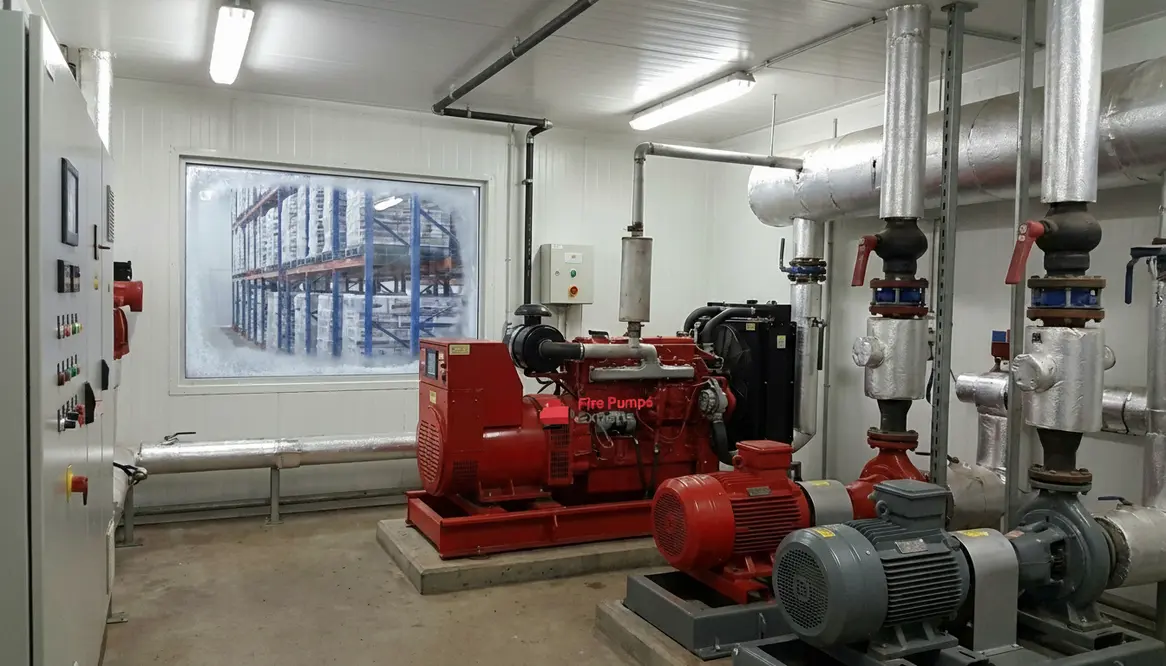
Fire Pump Cold Storage Australia Systems Guide
I have spent enough time around industrial sites to know one thing for certain. When you mix sub zero temperatures with high value goods, you do not gamble on safety systems. That is exactly where fire pump cold storage Australia solutions come into play. In facilities where a frozen pea can outlast your weekend plans, fire protection must work instantly and reliably. So today, I will walk you through the fire pump types that quietly stand guard in these chilled environments, doing their job without applause, much like the bass line in a great jazz track.
What fire pump types are used in cold storage facilities in Australia
Let me answer this upfront, because I know that is why you are here. Cold storage sites in Australia typically rely on electric fire pumps, diesel fire pumps, and jockey pumps. Each serves a specific role, and together they create a system that responds faster than you can say “someone left the freezer door open.”
Electric pumps handle primary operations when power is stable. Diesel pumps step in when electricity fails, which is critical in remote or high risk industrial zones. Meanwhile, jockey pumps maintain system pressure, preventing unnecessary starts that wear down the main units. Together, they form a balanced and reliable network tailored to demanding commercial environments.
Understanding electric fire pumps in frozen environments
Electric fire pumps are often the first choice in large scale facilities. They are efficient, consistent, and easier to maintain. However, cold storage adds a twist. Low temperatures can affect electrical components, so insulation and heated enclosures become essential.
In my experience, engineers in Australia design these systems with precision. They ensure that control panels remain functional even when temperatures drop dramatically. Additionally, electric pumps integrate smoothly with automated monitoring systems, which is a big win for large commercial properties where downtime is not an option.
And yes, while electricity is reliable, it does have its moments. That is why no one in their right mind relies on it alone in a cold storage facility. Think of it like trusting WiFi during a storm. Bold move, but risky.
Diesel fire pumps as the backbone of reliability
Now we arrive at the heavy hitter. Diesel fire pumps are the dependable backup that facilities trust when everything else decides to take a break. They operate independently of electrical supply, which makes them indispensable in Australia’s vast industrial regions.
What makes diesel units especially valuable in cold storage is their resilience. They are less sensitive to freezing conditions compared to electrical systems. However, they still require proper housing and fuel management to ensure performance. Regular testing is not optional here. It is the difference between a system that starts on command and one that just makes a sad clicking sound.
Moreover, compliance with Australian standards ensures these pumps meet strict performance requirements. That means facility managers can sleep a little easier, knowing their backup plan actually works.
Jockey pumps and pressure control in fire pump cold storage Australia systems
Jockey pumps may not sound impressive, but they are the unsung heroes of the system. Their job is simple yet critical. They maintain consistent pressure within the fire protection network.
Without a jockey pump, the main fire pump would cycle on and off too frequently. That leads to wear, inefficiency, and eventually failure. In cold storage facilities, where systems must remain stable despite temperature fluctuations, this role becomes even more important.
From my perspective, a well calibrated jockey pump is like a good stage manager. You rarely notice it, but everything falls apart without it.
Choosing the right configuration for large scale facilities
When selecting a system for industrial cold storage, there is no one size fits all solution. The right setup depends on facility size, risk level, and operational demands. However, I often see a common configuration emerge across Australia.
Primary System
- Electric fire pump for daily reliability
- Advanced monitoring integration
- Temperature controlled enclosures
Backup and Support
- Diesel fire pump for power outages
- Jockey pump for pressure stability
- Redundant controls for compliance
This layered approach ensures that even if one component fails, the system continues to operate. And in facilities storing millions of dollars in goods, redundancy is not a luxury. It is a necessity.
Design considerations unique to Australian cold storage sites
Australia presents its own challenges. While we are known for heat, cold storage facilities create artificial extremes that demand careful planning. Insulation, pipe heating, and anti freeze strategies all play a role.
Additionally, compliance with national fire standards shapes every decision. Engineers must consider water supply reliability, pump room placement, and environmental factors. Coastal locations, for example, may introduce corrosion risks that affect equipment lifespan.
I always say that designing these systems is part science, part art. And occasionally, part detective work. Because if something can go wrong, it usually tries to do so at the worst possible moment. For facility teams searching for guidance on fire pump cold storage Australia configurations, that reality shapes every design meeting and maintenance checklist.
How fire pump cold storage Australia strategies protect high value goods
Behind every well run warehouse of frozen foods or pharmaceuticals sits a carefully designed fire protection layout. In the context of fire pump cold storage Australia systems, that means balancing reliable water supply, pump redundancy, and environmental controls that stop ice from turning valves and pipes into expensive sculptures.
Supply chains depend on these facilities. A single incident can disrupt product availability across states, trigger insurance nightmares, and leave a very awkward trail of paperwork. Done properly, the pump setup fades into the background: pressure stays steady, monitoring dashboards stay pleasantly boring, and the only drama is when someone misplaces a pallet label.
FAQ about fire pumps in cold storage facilities
What is the most common fire pump used in cold storage?
Electric fire pumps are most common, supported by diesel backups.
Why are diesel fire pumps important?
They operate without electricity, ensuring protection during power failures.
Do cold temperatures affect fire pumps?
Yes, which is why insulation and heating systems are essential.
What does a jockey pump do?
It maintains system pressure and prevents unnecessary pump starts.
Are fire pump systems regulated in Australia?
Yes, strict standards govern design, installation, and maintenance.
Conclusion
When I look at cold storage facilities, I see more than frozen goods. I see complex systems working together to protect valuable assets. Choosing the right fire pump setup is not just a technical decision. It is a business critical move. If you manage a large industrial facility, now is the time to review your system, upgrade where needed, and ensure your fire protection stands ready, no matter how cold things get.