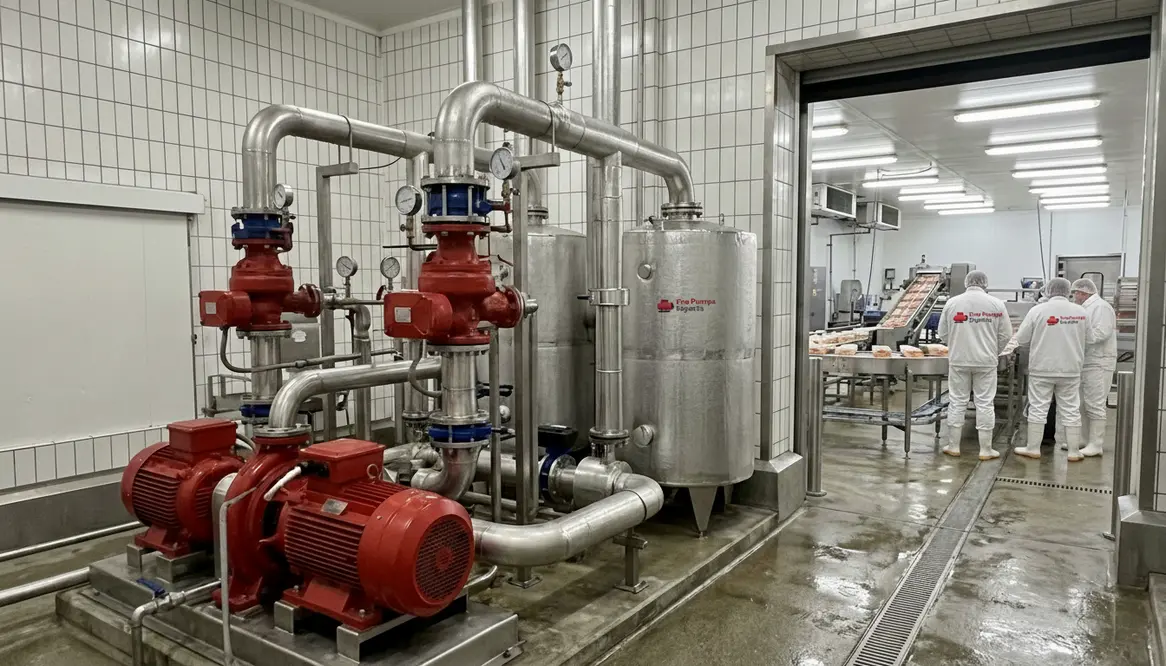
Fire Pump Food Processing Queensland Guide
I have spent years walking through industrial sites across Queensland, and I can tell you this with calm certainty: when it comes to safety, nothing hums with quiet authority like a well designed fire pump system. In the world of fire pump food processing Queensland, the stakes are not just about compliance. They are about protecting people, preserving product integrity, and keeping operations running when things get hot in all the wrong ways.
So let me take you through it, slowly and clearly, like a steady voice guiding you through a complex scene. Because fire protection in food facilities is not just engineering. It is strategy, timing, and yes, a bit of foresight that would make even Batman nod in approval.
Why specialised fire protection matters
Food plants juggle hygiene rules, flammable packaging, nonstop production, and strict audits. A generic sprinkler setup is not enough. A purpose built fire pump design keeps people safe, protects stock, and satisfies insurers without constantly getting in the way of operations.
That is the real backbone of effective fire pump food processing Queensland projects: quiet reliability that is ready for chaos but invisible on a normal day.
What makes fire pump systems unique in food processing environments?
Food processing facilities operate in a world of moisture, oils, heat, and strict hygiene rules. Because of that, I always approach design differently. A standard fire pump setup simply will not cut it.
First, I consider contamination control. Water used in fire suppression must never compromise food safety zones. Therefore, system zoning becomes critical. I separate high risk production areas from storage and packaging zones to maintain control.
Then, there is corrosion. Queensland’s climate, paired with washdown processes, creates an environment where materials can degrade faster than you might expect. So I specify corrosion resistant components and protective coatings. It is not glamorous, but neither is replacing a failed pump during an emergency.
And of course, redundancy matters. Because when a facility runs around the clock, downtime is not just inconvenient. It is expensive. A backup pump is not a luxury. It is a necessity.
Designing for compliance in Queensland industrial facilities
Now, let us talk rules. Not the boring kind, but the kind that keep everything standing.
In Queensland, I align every fire pump design with Australian Standards, particularly AS 2941. However, I do not stop there. Local council requirements and insurer expectations often add another layer. So I design systems that exceed minimum compliance, not just meet it.
Additionally, I consider water supply reliability. Whether drawing from town mains, tanks, or dedicated reservoirs, the system must deliver consistent pressure and flow. No excuses. Fire does not care about paperwork.
Interestingly, I often see facilities underestimate testing requirements. Regular performance testing is not just a checkbox. It is the only way to ensure the system performs when it matters. Think of it like a dress rehearsal, except the audience is a potential disaster.
How I balance efficiency and safety in fire pump food processing Queensland
Here is where things get a bit more nuanced. Efficiency and safety are not rivals. In fact, when designed properly, they support each other beautifully.
I start with pump selection. Electric pumps offer reliability and lower emissions, while diesel pumps provide independence during power failure. In many food processing sites, I specify a combination. Because relying on a single power source is like bringing a spoon to a sword fight.
Next, I focus on control systems. Modern controllers allow real time monitoring and quick diagnostics. This means operators can respond before a minor issue becomes a major one. It is not quite artificial intelligence taking over the world, but it is close enough to feel impressive.
Finally, I optimize pipe layout. Efficient routing reduces friction loss, which improves performance without increasing energy demand. It is a small detail, yet it makes a big difference over time.
Key design priorities
- Reliable water supply under peak demand
- Corrosion resistant materials
- Clear system zoning
- Redundant pump configurations
Operational benefits
- Reduced downtime risk
- Improved compliance confidence
- Lower maintenance surprises
- Enhanced safety for staff and assets
Common pitfalls I see in commercial fire pump installations
Even in large scale facilities, mistakes happen. And I have seen a few that would make you shake your head slowly.
One common issue is undersized pumps. On paper, they meet minimum flow rates. In reality, they struggle under real world conditions. So I always design with a margin, because real life rarely behaves like a spreadsheet.
Another problem is poor integration with existing systems. Fire pumps must work seamlessly with sprinklers, hydrants, and alarms. If they do not, you end up with a system that looks good in isolation but fails as a whole.
Then there is maintenance access. I cannot stress this enough. If technicians cannot easily reach components, maintenance gets delayed. And delayed maintenance is just a polite way of inviting failure.
Future ready fire pump strategies for industrial food facilities
The future is not some distant concept. It is already knocking on the door.
In modern fire pump food processing Queensland projects, I increasingly integrate smart monitoring systems. These allow remote diagnostics and predictive maintenance. So instead of reacting to problems, operators stay one step ahead.
I also design with scalability in mind. Facilities grow. Production lines expand. Therefore, the fire protection system must adapt without requiring a complete overhaul.
And yes, sustainability is part of the conversation now. Energy efficient pumps and optimized system design reduce operational costs while supporting environmental goals. It is a win win, which is rare enough to appreciate.
Across regional plants and major hubs, the strongest fire pump food processing Queensland installations tend to share three traits: they are monitored, they are maintainable, and they are flexible enough to handle tomorrow’s production layout without a full redesign.
FAQ: Fire pump systems in food processing facilities
Final thoughts and next steps
If you are responsible for a food processing facility, now is the time to take a closer look at your fire protection strategy. A well designed system does more than meet codes. It protects your people, your product, and your reputation. Reach out to a specialist who understands large scale industrial environments and can tailor a solution that works quietly in the background, until the moment it is needed most. That is when it truly earns its keep.
Whether you manage a regional cannery or a major cold storage hub, treating fire pump food processing Queensland design as a strategic asset rather than a tick box obligation unlocks long term resilience. For further technical references and best practice insights, resources such as https://firepumps.org can complement on site engineering advice.