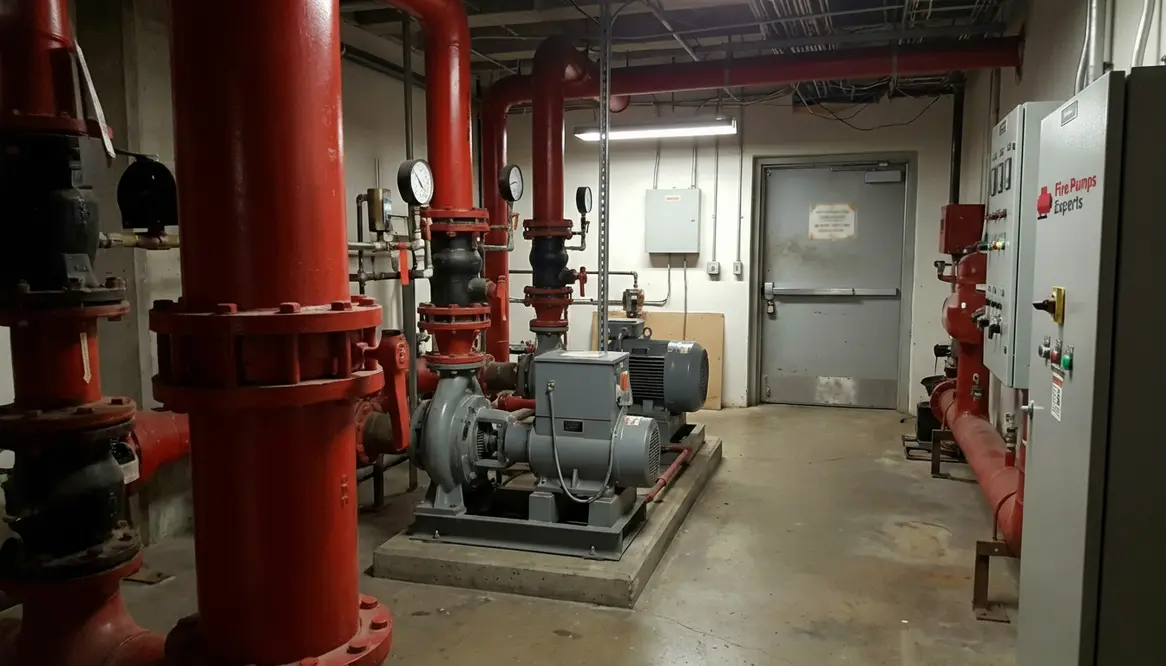
NFPA 99 Fire Pump Healthcare Systems Guide
I have spent years around critical infrastructure, and nothing humbles you faster than a quiet hospital corridor paired with the knowledge that lives depend on systems most people never see. One of those systems is the NFPA 99 fire pump healthcare systems framework. It does not wear a cape, but it might as well. In healthcare facilities and large commercial properties, fire pumps ensure water moves with force and certainty when everything else is on the line. And yes, it is as serious as it sounds, even if I occasionally compare it to a backup dancer that suddenly becomes the star.
Why Fire Pumps Matter More in Healthcare Than Anywhere Else
Hospitals do not get second chances. While most buildings can evacuate and regroup, healthcare facilities must protect patients who cannot simply walk out. Because of this, fire protection systems must respond instantly and reliably. Fire pumps boost water pressure to levels that sprinkler systems need to control or extinguish fires.
Moreover, under NFPA 99, these systems support essential electrical and mechanical infrastructure tied to patient care. That means when pressure drops, risk rises. Therefore, I always see fire pumps as silent partners in patient safety, standing ready without applause. Think of them as the stage crew that makes sure the show never collapses mid scene.
How NFPA 99 Fire Pump Healthcare Systems Define Reliability
NFPA 99 does not leave much to chance. It lays out expectations for performance, testing, and integration with other life safety systems. As a result, fire pumps in healthcare settings must meet stricter reliability standards than in many other commercial properties.
For example, power supply redundancy is not optional. If primary power fails, backup systems must activate without hesitation. In addition, routine testing ensures that pumps perform under real world conditions, not just on paper. I have seen facilities treat testing like a box to check. That approach does not hold up when pressure drops during an emergency.
Furthermore, these systems must integrate with alarms, monitoring equipment, and building management systems. That coordination ensures staff receive alerts and can respond quickly. It is a bit like an orchestra where every instrument must come in on cue. If one misses the beat, the whole performance suffers.
What Happens When Fire Pump Systems Are Poorly Maintained?
I will be blunt. Neglecting maintenance is a gamble you do not want to take. When fire pumps fail, sprinklers lose effectiveness, and response times stretch dangerously thin. In a healthcare environment, that can mean the difference between containment and catastrophe.
Additionally, poor maintenance often leads to hidden issues such as pressure inconsistencies or mechanical wear. These problems rarely announce themselves politely. Instead, they show up at the worst possible moment. It is like ignoring a check engine light and then acting surprised when your car stops on the highway.
Therefore, consistent inspection and testing are not just compliance tasks. They are operational necessities. I always recommend treating maintenance as an active safety strategy rather than a reactive obligation.
Key Components That Keep the System Running Smoothly
Every effective fire pump system relies on several core components working together seamlessly. When one falters, the system weakens. When all align, the result is dependable protection.
Core Equipment
- Pump unit that drives water pressure
- Controller that manages activation and operation
- Power supply systems including backup generators
- Valves and piping that direct water flow
Operational Support
- Monitoring systems that track performance
- Alarm integration for immediate alerts
- Routine testing schedules
- Professional servicing and inspections
When I evaluate a facility, I look at how these pieces interact. A strong pump alone is not enough. Coordination is everything. It is the difference between a solo act and a full production.
NFPA 99 Fire Pump Healthcare Systems in Large Commercial Properties
Although the focus is healthcare, the principles extend to major commercial and industrial buildings. Large properties often mirror the complexity of hospitals, with high occupancy and critical operations. Because of this, adopting similar fire pump standards improves resilience across the board.
In my experience, facilities that align with NFPA 99 expectations tend to outperform others during inspections and emergencies. They invest in redundancy, prioritize maintenance, and treat fire protection as a core operational pillar. That mindset creates a safer environment not just for occupants, but for the teams responsible for keeping everything running.
And let us be honest. No facility manager wants to explain why a preventable system failure became a headline. That is not the kind of publicity anyone enjoys.
Smart Strategies for Long Term Performance
Keeping fire pump systems reliable requires more than installation. It demands ongoing attention and smart planning. I always emphasize a few practical strategies that deliver real results.
- Schedule regular performance testing under realistic conditions
- Invest in monitoring technology for real time insights
- Train staff to understand system behavior and warning signs
- Partner with experienced service providers for inspections
Additionally, documentation plays a bigger role than most expect. Clear records of testing and maintenance help identify trends before they become problems. It is like tracking your health metrics. Small changes can signal bigger issues ahead.
For organizations aiming to strengthen NFPA 99 fire pump healthcare systems practices, leveraging specialist resources and training can make all the difference. One useful place to start reviewing external reference material is https://firepumps.org, paired with your facility’s internal procedures and local code requirements.
NFPA 99 Fire Pump Healthcare Systems Snapshot
NFPA 99 fire pump healthcare systems concentrate on reliability, redundancy, and integration with other life safety assets. They treat water supply, controls, and monitoring as a unified risk management platform rather than isolated hardware.
When facilities embrace NFPA 99 fire pump healthcare systems principles, they move beyond simple code minimums. The result is a culture where inspection routines, testing data, and staff awareness all support the same mission: uninterrupted protection when it matters most.
FAQ
Conclusion
When I look at fire protection in healthcare and large commercial facilities, I see more than equipment. I see responsibility in motion. The right systems, built and maintained with care, protect lives and operations without hesitation. If you manage a major property, now is the time to evaluate your fire pump strategy, strengthen weak points, and work with experts who understand the stakes. Because when the moment comes, your system should not think twice. It should simply perform.