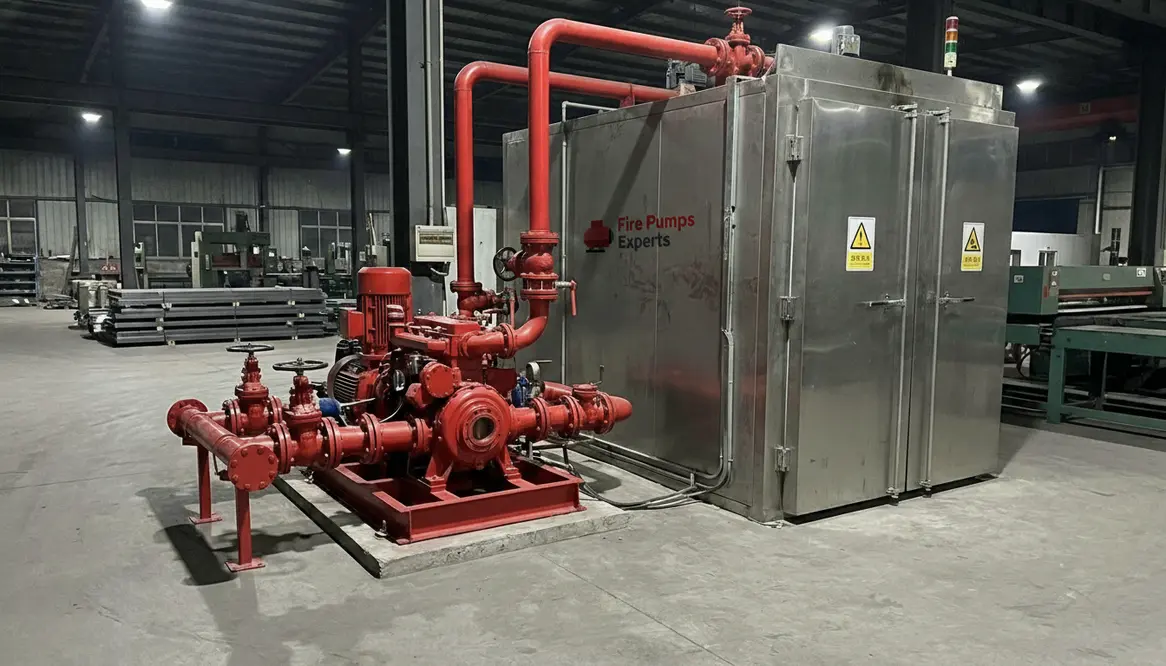
NFPA 86 Fire Pump Guide for Industrial Ovens
I have spent enough time around industrial systems to know one thing for sure. When heat meets fuel, things can go from controlled to chaotic in a heartbeat. That is exactly why NFPA 86 fire pump industrial ovens is not just a phrase tossed around in compliance meetings. It is a critical line of defense. In facilities where ovens roar like a dragon that skipped breakfast, fire protection must be precise, reliable, and ready to perform without hesitation.
So, let me walk you through this with a steady hand and a clear voice. Because when it comes to fire pumps tied to industrial ovens, guessing is not a strategy. It is a liability.
Understanding Fire Pump Requirements Under NFPA 86
First, I like to ground myself in what NFPA 86 actually demands. This standard governs ovens and furnaces used in industrial settings. However, it does not operate in isolation. It works alongside broader fire protection standards, which means fire pumps must align with system demands rather than just exist as a checkbox.
In many cases, I see facilities assume a sprinkler system alone will do the job. However, when water pressure falls short or system demand spikes, a fire pump becomes essential. It ensures consistent flow and pressure, especially in large scale operations where ovens are part of continuous production.
Additionally, NFPA 86 requires hazard analysis. That means I must evaluate fuel load, ignition sources, and ventilation. Once I understand those factors, I can determine whether a fire pump is necessary to support suppression systems effectively.
How I Determine Fire Pump Sizing for Industrial Oven Protection
Now, this is where things get interesting. Sizing a fire pump is not about picking the biggest machine and calling it a day. If that worked, we would all be driving monster trucks to the grocery store.
Instead, I calculate demand based on the suppression system connected to the oven. That could include sprinklers, water spray systems, or foam setups. Then, I account for simultaneous demands across the facility. Because let us be honest, fires rarely RSVP before showing up.
Key sizing factors I never ignore
- Water supply reliability and pressure
- Total flow demand for suppression systems
- System redundancy requirements
- Distance and elevation changes within the facility
As a result, the fire pump becomes a tailored solution, not a generic install. And yes, getting this wrong can mean the difference between containment and catastrophe.
NFPA 86 Fire Pump Industrial Ovens and System Integration
Here is where design meets reality. A fire pump does not operate in isolation. It must integrate smoothly with detection systems, alarms, and suppression controls.
When I design around NFPA 86 fire pump industrial ovens, I ensure that activation is seamless. For example, if a heat sensor triggers a suppression system, the fire pump must respond instantly. No delays. No hesitation. Think of it like a drummer in a band. If they miss the beat, the whole performance falls apart.
Moreover, I pay close attention to control panels and backup power. Because during a fire, losing power is not uncommon. Therefore, a diesel driven or generator backed pump often becomes a smart choice for industrial environments.
What I Focus On
I prioritize reliability. That means selecting pumps rated for continuous duty, ensuring controllers meet code, and verifying that system pressure stays stable under peak demand.
What I Avoid
I avoid undersized pumps, poor maintenance access, and designs that ignore future expansion. Because retrofitting later is about as fun as rebooting a server during a live event.
What mistakes do facilities make with fire pumps and oven protection?
I have seen a few patterns repeat themselves, and they are worth calling out.
First, some facilities underestimate risk. They assume their oven process is controlled enough to avoid fire escalation. However, all it takes is one malfunction, one buildup of combustible residue, or one failed sensor.
Second, maintenance often gets sidelined. A fire pump that has not been tested regularly is like a superhero who forgot their powers. It looks impressive until it is needed.
Finally, poor coordination between engineers and fire protection specialists can lead to gaps. Therefore, I always recommend a unified approach where system design, installation, and inspection align from day one.
Maintenance and Testing That Keep Systems Ready
Even the best fire pump setup will fail without proper care. So I treat maintenance as part of the system, not an afterthought.
Routine testing ensures that pumps start automatically, deliver required pressure, and maintain flow. Additionally, I check valves, controllers, and fuel systems. Because if one component fails, the entire system can falter.
Moreover, documentation matters. Inspectors and insurance providers expect clear records. A well documented system tells a story of preparedness rather than panic.
FAQ: Fire Pump Requirements for Industrial Ovens
Final Thoughts and Next Steps
If you are responsible for a commercial or industrial facility, this is not the place to cut corners. Fire pumps tied to oven systems must perform without hesitation. I recommend working with specialists who understand both NFPA 86 and large scale fire protection design. When done right, you gain more than compliance. You gain confidence. And in this line of work, that peace of mind is worth every ounce of effort.
If you want a deeper technical breakdown of fire pump configurations for complex process equipment, you can start with resources like https://firepumps.org and then match that knowledge to your specific ovens, fuels, and ventilation design.