Fire Pump Industrial Water Spray Systems Guide
I have spent enough time around industrial facilities to know one simple truth. When water needs to move fast, it had better have a strong push behind it. That is where fire pump industrial water spray systems quietly take center stage. In large scale commercial buildings and heavy industrial sites, these systems are not just equipment. They are the unseen force that stands between a controlled situation and a headline nobody wants to read.
And yes, while they may not get the same spotlight as a flashy control panel or a towering cooling system, they do something far more important. They deliver pressure, reliability, and timing. Think of them as the drummer in a band. You do not always notice them, but if they stop, everything falls apart.
What role does a fire pump play in industrial water spray systems?
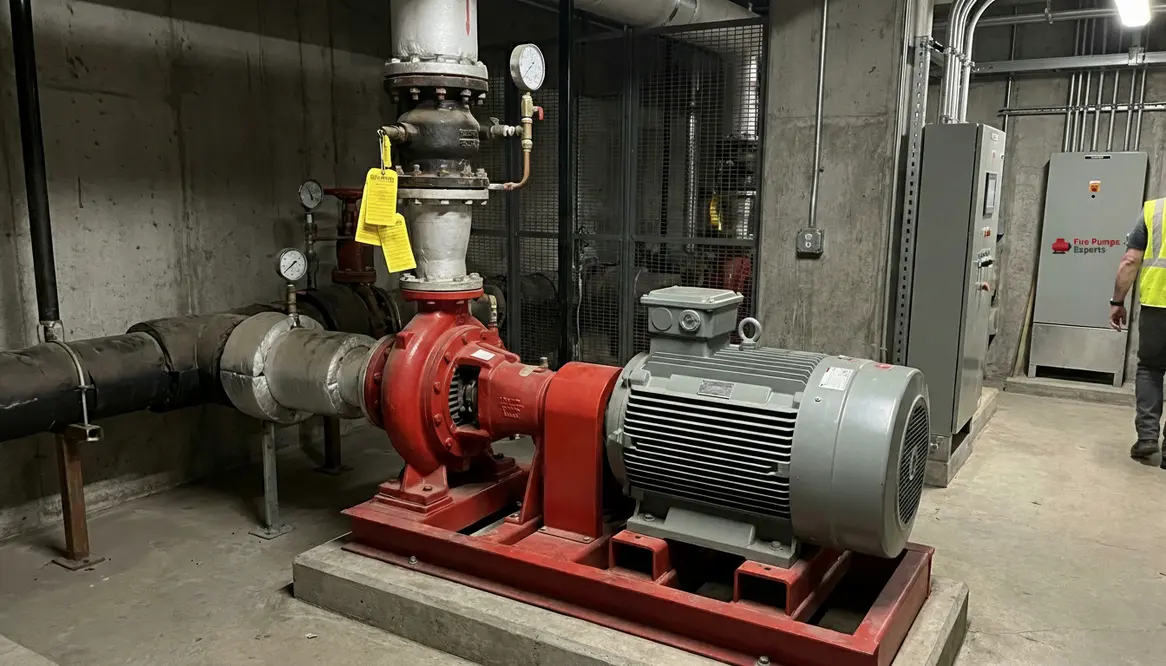
I like to explain it simply. A fire pump is the muscle behind the system. While the piping, valves, and spray nozzles are all critical, they cannot perform without adequate water pressure. That is where the pump steps in and says, “I have got this.”
In industrial water spray systems, especially those protecting high value assets like turbines, transformers, or chemical processing units, consistent pressure is non negotiable. Without it, water will not atomize correctly, coverage will fail, and the system becomes more decoration than defense.
Moreover, I have seen facilities rely on municipal water supply alone. That is a bit like trusting a garden hose to put out a bonfire. It works in theory, but reality tends to laugh at theory. Fire pumps ensure the system performs under peak demand, not just under ideal conditions.
Fire Pump Industrial Water Spray Systems in High Risk Environments
Now let us step into environments where stakes are high. Think petrochemical plants, power generation facilities, or massive distribution centers. In these spaces, heat loads escalate quickly, and fire spreads faster than gossip in a small office.
Here, fire pump industrial water spray systems do more than supply water. They create a controlled cooling barrier. Water spray systems are designed to absorb heat, protect structural integrity, and prevent escalation.
Additionally, these systems often operate in harsh conditions. Dust, vibration, and temperature swings all try to interfere. Yet, a properly designed pump system continues to deliver. It is a bit like that one coworker who shows up early, never complains, and somehow keeps everything running. You may not say it out loud, but you trust them completely.
Key components that make the system actually work
Core Equipment
- Pump driver, electric or diesel
- Controller panel for automatic start
- Suction and discharge piping
- Pressure relief valves
- Dedicated water storage or supply
Support Systems
- Jockey pump for pressure maintenance
- Flow meters for performance tracking
- Alarm systems for fault detection
- Backup power integration
- Routine testing connections
Each component plays a role, but the fire pump ties everything together. Without it, the system loses its ability to respond with force and precision. And in industrial settings, hesitation is not an option.
How do I know if my facility needs a dedicated fire pump system?
I usually answer this with another perspective. If your operation involves high value equipment, combustible materials, or large scale infrastructure, then the question is not if you need one. It is how robust it should be.
For example, facilities with elevated hazards often require dedicated pumps because municipal systems cannot meet the required flow and pressure. Additionally, insurance standards and fire codes frequently mandate them.
Furthermore, I have seen decision makers hesitate due to upfront costs. Fair enough. Nobody enjoys signing large checks. However, when compared to downtime, asset loss, or regulatory penalties, the investment starts to look like a bargain. Even Batman had a backup plan, and your facility deserves no less.
Design considerations that separate average from exceptional
Not all systems are created equal. In fact, the difference between a standard setup and a high performance one often comes down to design choices.
First, pump sizing must match real demand, not optimistic estimates. Undersized pumps struggle, while oversized ones waste energy and create inefficiencies. Balance is key.
Next, redundancy matters. A single point of failure in an industrial setting is a risk most professionals refuse to take. Therefore, backup pumps and power sources are common in well designed systems.
Then there is layout. Proper placement of spray nozzles, zoning, and pressure distribution ensures full coverage. It is not just about pushing water. It is about delivering it exactly where and when it is needed.
Finally, testing and maintenance keep everything honest. Systems that sit idle without routine checks tend to surprise people at the worst possible moment. And not the good kind of surprise.
Maintenance habits that keep systems reliable
I always say that a fire pump system is like a classic car. It looks impressive, but it needs regular attention to perform when it counts.
Routine testing verifies flow rates and pressure levels. Meanwhile, inspections catch wear, corrosion, or control issues early. Additionally, keeping detailed records ensures compliance and helps predict future maintenance needs.
More importantly, trained personnel make all the difference. Even the best system can fail if no one understands how it operates. Knowledge, in this case, is not just power. It is protection.
FAQ: Fire Pump Systems in Industrial Water Spray Applications
Conclusion
If you are responsible for a commercial or industrial facility, this is not the place to cut corners. A well designed fire pump system strengthens your entire protection strategy and keeps operations secure when it matters most. I encourage you to evaluate your current setup, identify gaps, and work with specialists who understand complex environments. The right system does more than meet code. It gives you confidence, and that is something every facility deserves.