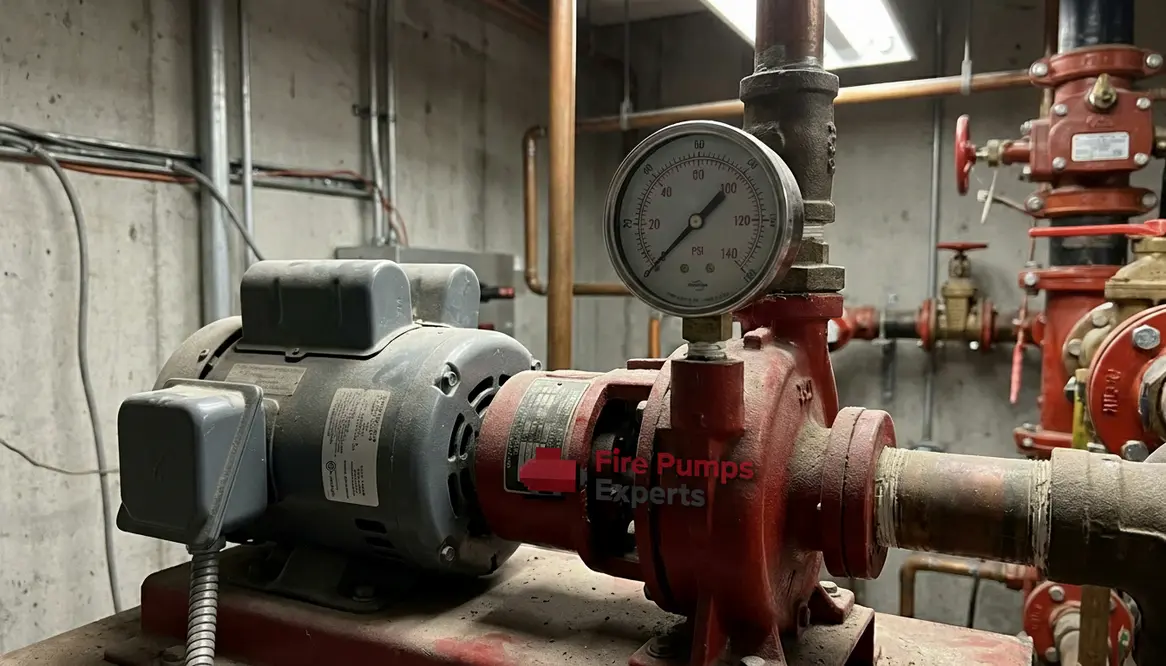
Jockey Pump Pressure Settings Guide for Systems
I have spent enough time around fire protection systems to know one thing for sure. The quiet components often carry the biggest responsibility. That is exactly where jockey pump pressure settings step in. They do not roar like main pumps or steal the spotlight, yet they hold the line every single day. In large commercial and industrial facilities, maintaining stable system pressure is not optional. It is the difference between readiness and risk. So today, I am going to walk you through how these settings work, why they matter, and how to get them right without turning your mechanical room into a guessing game.
What Are Jockey Pump Pressure Settings and Why Should I Care
Let me put it simply. A jockey pump exists to maintain pressure in a fire sprinkler system without constantly starting the main fire pump. It compensates for small leaks, temperature changes, and minor pressure drops.
Now, the pressure settings determine when that jockey pump turns on and off. If set correctly, the system stays stable. If set poorly, you end up with unnecessary cycling or worse, a delayed response when you actually need water flow.
Think of it like cruise control on a long highway drive. You are not flooring the gas pedal every second. You are making small adjustments to maintain a steady speed. The jockey pump does the same thing, except instead of fuel, it is managing pressure inside a life safety system.
How I Set Jockey Pump Pressure for Commercial Systems
When I approach a system in a high rise or industrial facility, I follow a deliberate process. There is no guesswork here, only measured adjustments.
First, I identify the main fire pump start pressure. This is the threshold where the main pump activates during a real demand. The jockey pump must always operate above that level.
Next, I set the jockey pump cut in pressure slightly higher than the main pump start point. Then I establish the cut out pressure a few PSI above that. This creates a narrow operating band that prevents overlap.
For example, if the main pump starts at 100 PSI, I might set the jockey pump to start at 110 PSI and stop at 120 PSI. That buffer ensures the jockey pump handles minor drops without ever triggering the main pump unnecessarily.
And yes, if you are wondering, setting both too close together is like putting two drummers in a room who cannot agree on tempo. Chaos follows.
Common Mistakes I See in Jockey Pump Pressure Settings
Even in well managed facilities, I see a few recurring issues. They are easy to overlook, but they create long term problems.
Overlapping pressure ranges
This causes both pumps to compete. The main pump may start when it is not needed, leading to wear and energy waste.
Wide pressure gaps
A large gap between cut in and cut out means the system pressure fluctuates more than it should. That instability can stress components.
Ignoring system leaks
If the jockey pump runs too often, the issue is not always the settings. Sometimes it is a leak. Adjusting pressure without fixing the root cause is like silencing a smoke alarm instead of putting out the fire.
Improper calibration
Gauges and sensors must be accurate. Otherwise, every adjustment you make is based on bad data.
Balancing Pressure Stability and Equipment Longevity
Here is where things get interesting. Setting pressure is not just about hitting numbers. It is about balance.
Pressure Stability
I aim for tight control. Stable pressure keeps sprinkler systems ready and reduces stress on valves and piping.
Equipment Longevity
At the same time, I avoid excessive cycling. Every start and stop adds wear. A well tuned system runs smoothly, not constantly.
Therefore, I adjust settings to minimize starts while maintaining consistent pressure. It is a careful dance, not a brute force solution.
If you want a deeper technical breakdown, I often recommend reviewing resources like https://www.firepumps.org for industry backed standards that apply directly to large scale facilities.
How Do I Know If My Settings Are Correct
This is the question I hear most often, and thankfully, the answer is practical.
I observe system behavior over time. A properly set jockey pump should run occasionally, not constantly. It should respond quickly to small pressure drops and shut off cleanly once the system stabilizes.
Additionally, I monitor pressure logs if available. Consistent readings tell me the system is balanced. Sudden swings or frequent starts signal that something needs adjustment.
And here is a simple truth. If your jockey pump is working harder than your coffee machine on a Monday morning, something is off.
Fine Tuning for Large Buildings and Industrial Sites
In large properties, complexity increases. Multiple zones, elevation changes, and long pipe runs all influence pressure behavior.
Because of that, I take a more tailored approach. I account for static pressure differences across floors and ensure the jockey pump pressure settings support the most demanding areas without overcompensating elsewhere.
Moreover, I coordinate with system controllers and variable frequency drives when present. These technologies add flexibility, but only if the baseline settings are correct.
Ultimately, precision matters more in these environments. Small errors scale quickly when you are protecting thousands of square feet and critical operations.
FAQ About Jockey Pump Pressure Settings
Before getting into specifics, it helps to remember that jockey pump pressure settings always sit above the main fire pump start pressure and are tuned to match your building’s design and real world behavior.
Conclusion
Getting your jockey pump pressure settings right is not just a technical task. It is a commitment to system reliability and safety. I encourage you to review your current setup, monitor performance, and bring in experienced professionals when needed. In large commercial and industrial environments, precision is everything. Take control of your system today, because when pressure is steady, everything else follows.