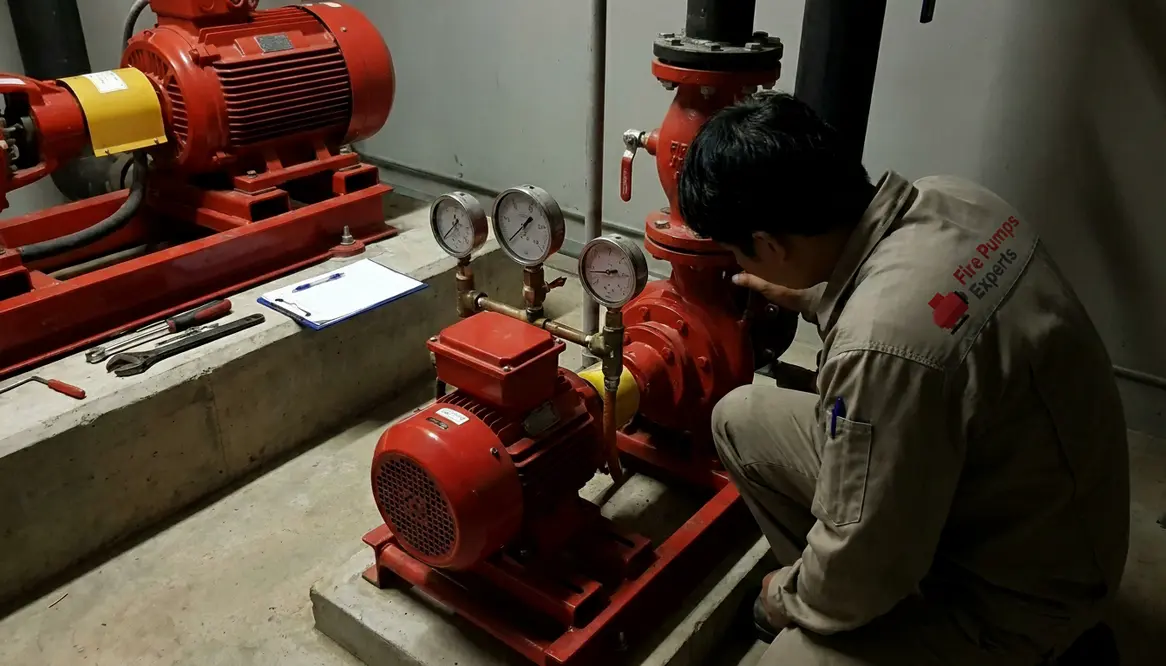
Jockey Pump Troubleshooting for System Pressure Issues
I have walked through enough mechanical rooms to know this truth: when a fire protection system whispers instead of roars, the jockey pump is usually behind the curtain. Jockey pump troubleshooting is not glamorous work, but it keeps pressure steady and systems ready when it matters most. And yes, while it may not get the Hollywood spotlight like a main fire pump, it quietly saves the day more often than Batman saves Gotham.
So let me guide you through this with a calm, steady voice and a bit of hard earned perspective. Because when your system starts acting up, you do not need panic. You need clarity.
What is a jockey pump actually doing in my building?
I like to think of the jockey pump as the system’s peacekeeper. It maintains pressure in your fire protection piping without kicking on the main fire pump. In other words, it handles the small stuff so the big equipment does not overreact.
However, when pressure drops too often or rises unpredictably, that peacekeeper starts causing trouble. And that is where a proper system pressure issue diagnosis becomes critical. If the jockey pump cycles too frequently, it signals leaks, faulty valves, or pressure switch problems. On the other hand, if it never runs, you may be looking at electrical or control issues.
So while it is small, its role is anything but minor. Ignore it, and you may find your main pump working overtime like an exhausted extra in an action movie.
Jockey Pump Troubleshooting basics I always check first
1. Check pressure settings
The cut in and cut out points must be correct. If they are too close together, the pump will cycle constantly. If they are too far apart, pressure stability disappears.
2. Inspect for leaks
Even a small leak can cause frequent cycling. And yes, a drip may seem harmless, but over time it turns your pump into a restless insomniac.
3. Review the control panel
Electrical faults, loose connections, or worn relays can stop the pump from operating correctly.
4. Look at the pump itself
Worn seals, air in the system, or mechanical damage can all interfere with performance.
Each step builds on the last. Therefore, skipping one often leads to misdiagnosis and wasted time. Treat this sequence as the foundation of jockey pump troubleshooting every time you step into a mechanical room.
Common pressure problems and how I solve them
Problem
Frequent cycling
Low system pressure
Pump not starting
Pressure too high
What I look for
Leaks or tight pressure settings
Undersized pump or hidden leaks
Electrical faults or control failure
Incorrect switch calibration
Now, while those issues sound straightforward, the real challenge is identifying the root cause quickly. In large commercial and industrial properties, delays cost money and increase risk. That is why I often recommend working with specialists like commercial fire pump system experts who understand the scale and complexity of these systems.
Because let us be honest, this is not a place for guesswork or improvisation. This is infrastructure that protects lives and assets, and proper jockey pump troubleshooting is part of that backbone.
Advanced jockey pump troubleshooting for persistent issues
Sometimes the usual fixes do not cut it. That is when I go deeper.
Study system demand patterns
I analyze system demand patterns. If the pump runs at odd hours, I look for hidden water usage or pressure drops in isolated zones. Then, I check for air pockets, which can disrupt pressure readings and confuse the pump controls.
Evaluate the pressure switch
After that, I evaluate the pressure switch itself. Over time, these components drift out of calibration. And when they do, the pump responds to bad information. It is like following directions from someone who insists left is right.
Assess system design and age
Finally, I assess system design. In older buildings, expansions or retrofits sometimes outgrow the original setup. The jockey pump may no longer match the system’s needs.
At that point, the solution is not repair. It is modernization. True jockey pump troubleshooting recognizes when tweaking settings will not solve what is fundamentally a design and capacity mismatch.
How I keep jockey pump problems from coming back
Prevention is where the real magic happens. And yes, I said magic, even though it is really discipline and routine.
Routine inspections and documentation
I schedule regular inspections. I test pressure settings. I verify control functionality. And most importantly, I document everything. Because patterns tell stories, and those stories reveal problems before they escalate.
Training the facility team
In addition, I train facility teams to recognize early warning signs. Unusual noise, frequent starts, or pressure fluctuations should never be ignored.
Listening to the clues your system gives you
Think of it like this. Your jockey pump is not trying to surprise you. It is leaving clues. You just have to pay attention. Consistent jockey pump troubleshooting, paired with simple observation, turns those clues into a clear action plan before pressure issues turn into emergencies.
FAQ: Quick answers for building owners
Keep your system ready when it matters most
Jockey pump troubleshooting is not just maintenance. It is protection. When done right, it keeps your fire protection system stable, efficient, and ready for the moment it is needed most. If your building shows signs of pressure instability or pump irregularities, now is the time to act.
Bring in experienced professionals, address issues early, and keep your system performing like it should. When the stakes are high, reliability is everything, and consistent jockey pump troubleshooting is one of the quiet habits that keeps that reliability in place.