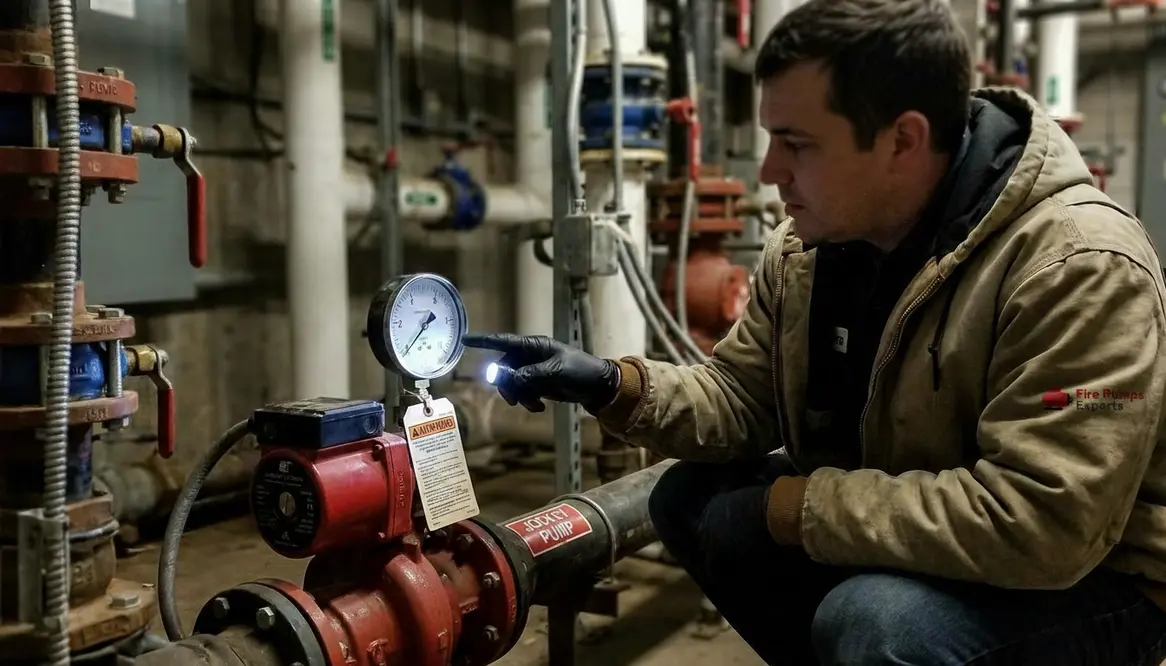
Jockey Pump Not Building Pressure Causes and Fixes
I have seen it happen more times than I care to count. A system that should hum along quietly suddenly refuses to cooperate. The moment you realize the jockey pump not building pressure, the calm fades just a bit. In large commercial and industrial buildings, that small pump plays a big role. It keeps fire protection systems ready without waking the main pump like a startled cat. So when pressure does not rise, it is not just an inconvenience. It is a signal. And like any good signal, it deserves attention before it turns into a full blown alarm.
Understanding the Role Before Fixing the Problem
I always start here because context matters. A jockey pump is not designed to fight fires. It maintains system pressure and compensates for minor leaks. Therefore, when it fails to build pressure, something is interfering with a very specific job.
In large facilities, even a small pressure drop can trigger unnecessary pump cycling. That is why this issue often shows up quietly before it becomes obvious. Think of it like a smoke alarm chirping at 2 a.m. Not dramatic yet, but definitely not something to ignore.
Jockey Pump Not Building Pressure: The Usual Suspects
Now we get into the real story. When I troubleshoot, I look for patterns. Pressure issues rarely come from one dramatic failure. Instead, they come from a chain of small things going wrong.
Air trapped in the system
Air pockets disrupt flow and prevent proper pressure buildup. I have seen systems act stubborn simply because of a little trapped air.
Worn pump components
Impellers wear down over time. When that happens, the pump loses efficiency and struggles to generate pressure.
Incorrect pressure settings
Sometimes the issue is not mechanical at all. If the cut in and cut out settings are off, the pump may never reach the desired pressure.
Leaks in the system
Even minor leaks can keep the pump chasing pressure it can never maintain. It becomes a loop that never ends.
Blocked suction line
Restricted flow into the pump reduces its ability to perform. It is like trying to drink a milkshake through a coffee stirrer.
Electrical inconsistencies
Voltage drops or control panel issues can limit motor performance, which directly affects pressure output.
Why Is My Jockey Pump Not Building Pressure?
I hear this question a lot, and the answer is usually layered. First, I check whether the pump is actually running at its rated speed. Then, I verify the system is not losing pressure faster than the pump can build it. When the jockey pump not building pressure situation shows up repeatedly, that combination of speed, loss, and demand usually reveals the first real clue.
Next, I look at calibration. Pressure switches drift over time. Therefore, a system that once worked perfectly can slowly fall out of sync. It is a bit like tuning a guitar. If you ignore it long enough, nothing sounds right. A jockey pump not building pressure consistently may be telling you those switches are long overdue for careful adjustment.
Finally, I always consider installation factors. In large properties, layout matters. Pipe sizing, elevation changes, and system design all influence performance. If something was off from the start, the pump may be fighting an uphill battle literally. In more than one project, the jockey pump not building pressure turned out to be less about the motor and more about a layout that quietly ignored basic hydraulics.
How I Diagnose Pressure Problems in Large Facilities
In commercial environments, guesswork is expensive. So I follow a methodical approach. First, I observe the system during operation. I watch how quickly pressure rises and where it stalls.
Then, I isolate variables. I check for leaks, inspect valves, and confirm that gauges are accurate. A faulty gauge can send you on a wild goose chase faster than any mechanical issue.
After that, I evaluate the pump itself. Flow rate, motor condition, and impeller health all come into play. If needed, I compare actual performance against manufacturer specs. That kind of side by side comparison is often where a stubborn jockey pump not building pressure finally gives up the secret you have been looking for.
For those managing large buildings, resources like professional fire pump system maintenance guidance from firepumps.org provide deeper technical standards that align with commercial system requirements.
Preventing Pressure Issues Before They Start
Routine habits that keep the system calm
Here is the truth. Most cases of a jockey pump not building pressure do not appear overnight. They build slowly, like a suspense movie where you already know something is coming.
I focus on routine inspections. I check for small leaks, verify pressure settings, and test pump operation regularly. In addition, I make sure the system stays clean. Debris in the line can quietly reduce performance.
Equally important, I keep records. Trends tell stories. If pressure recovery time starts increasing, that is a clue. Catching it early saves time, money, and a few headaches. When you never ignore small warning signs, you are far less likely to wake up one day to a jockey pump not building pressure at the exact moment you need it to behave.
FAQ: Quick Answers for Fast Troubleshooting
Final Thoughts and Next Steps
If you are dealing with a jockey pump not building pressure, do not wait for it to escalate. I recommend a structured inspection, followed by targeted fixes based on real data. In large commercial properties, reliability is everything. Take action now, bring in qualified expertise when needed, and keep your system performing the way it was designed to. Because when it comes to fire protection, “almost working” is not a category anyone wants to test.