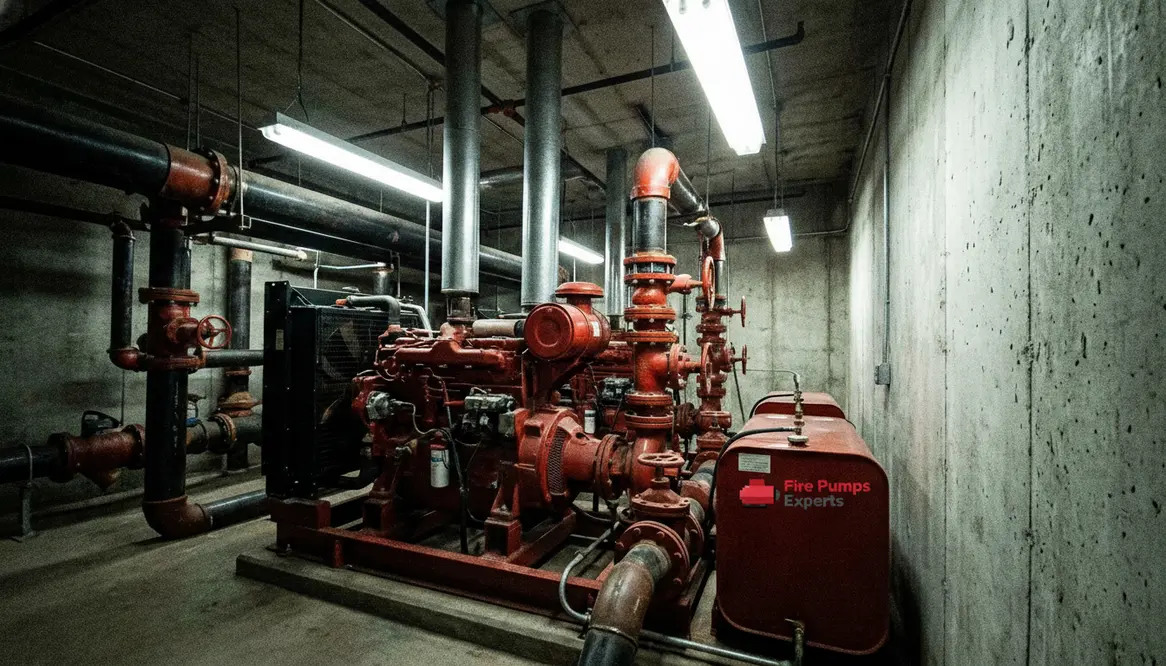
Diesel Fire Pump Guide for Commercial Buildings
I have always found that the quiet heroes in a building are rarely seen, yet absolutely essential. Somewhere behind thick walls and heavy doors, a diesel fire pump waits patiently. It does not ask for attention. It does not need applause. But when a fire breaks out, it becomes the difference between control and chaos. In large commercial and industrial facilities, where water pressure alone cannot carry the day, this machine steps in with the kind of reliability that would make even Batman feel a little less necessary.
What Is a Diesel Fire Pump and Why Should I Care?
A diesel fire pump is a standalone water pumping system powered by a diesel engine. It exists for one primary purpose: to supply high pressure water to a fire protection system when the normal water supply cannot keep up. In other words, when things get serious, this pump does not panic. It performs.
Unlike electric fire pumps, this system does not rely on external power. Therefore, even during a blackout, it continues to operate. That independence makes it especially valuable in large scale properties such as manufacturing plants, warehouses, and high rise commercial buildings.
Now, I like to think of it as the strong, silent type. While the electric pump is tied to the grid like a smartphone on low battery, the diesel unit is more like an old school off grid cabin. It brings its own power and handles its business.
How a Diesel Driven Fire Pump Actually Works
Let me walk you through the process without turning this into a mechanical engineering lecture. At its core, the system includes a diesel engine, a pump, and a controller. When the fire protection system detects a drop in pressure, the controller signals the engine to start.
Once running, the engine drives the pump, which pulls water from a reliable source such as a tank or reservoir. Then, it pushes that water through the sprinkler or standpipe system at a pressure strong enough to reach critical areas of the building.
As a result, even the highest floors or most remote sections receive the water flow they need. And yes, it happens quickly. No dramatic pauses. No suspenseful music. Just immediate action.
Where Diesel Fire Pumps Shine in Commercial Facilities
In my experience, not every building needs this kind of system. However, when you are dealing with large commercial or industrial environments, the stakes rise quickly.
Facilities that benefit most include:
- Manufacturing plants where hazardous materials increase fire risk
- Distribution centers with vast storage areas and high shelving
- High rise office buildings requiring consistent high pressure delivery
- Hospitals and data centers where downtime is simply not an option
Additionally, these locations often require redundancy. That means having a backup system that works regardless of electrical failures. This is where the diesel fire pump earns its reputation.
Electric vs Diesel Fire Pump Systems
People often ask me which option is better. The truth is, it depends on the building and its risks. However, comparing the two helps clarify why diesel powered systems remain so popular.
Electric Fire Pump
- Relies on external power
- Lower emissions
- Quieter operation
- May fail during outages
Diesel Fire Pump
- Self powered engine
- Operates during blackouts
- Higher reliability in emergencies
- Requires fuel maintenance
So, while electric pumps have their place, diesel units bring a level of independence that is hard to ignore. It is like choosing between streaming a movie and owning the DVD. One depends on connection. The other just works.
Maintenance and Reliability You Can Count On
Now, let me be clear. Owning a diesel fire pump is not a set it and forget it situation. It requires regular testing, fuel checks, and system inspections to ensure peak performance.
However, when properly maintained, these systems are incredibly dependable. In fact, many facility managers prefer them precisely because they remove uncertainty during critical moments.
For those managing large properties, working with specialists is key. Resources like commercial fire pump system experts provide guidance tailored to industrial scale needs. That kind of expertise ensures compliance, safety, and long term performance.
And yes, maintenance might feel like a chore. But compared to the alternative, it is a small price to pay. Fires do not send calendar invites.
Choosing the Right System for Your Property
Start with risk and reliability
If I were advising a facility owner, I would start with risk assessment. Consider building size, occupancy, and available water supply. Then, evaluate whether electrical reliability meets your standards.
In many cases, especially in large industrial environments, a diesel driven fire pump becomes the logical choice. It offers autonomy, strength, and consistency when conditions are at their worst.
Codes, insurance, and your diesel fire pump decision
Furthermore, local codes and insurance requirements often influence the decision. So, aligning with compliance standards is just as important as performance. When those factors point toward higher resilience, a diesel fire pump quickly shifts from “optional upgrade” to “non-negotiable core system.”
FAQ: Diesel Fire Pump Basics
Below are some quick answers to the most common questions people ask before committing to a diesel fire pump for their building.
Final Thoughts and Next Steps
When I think about fire protection, I think about certainty in uncertain moments. A diesel fire pump delivers exactly that. If you manage a large commercial or industrial property, now is the time to evaluate your system, strengthen your safeguards, and partner with experts who understand your scale. Because when the moment comes, preparation is not optional. It is everything.