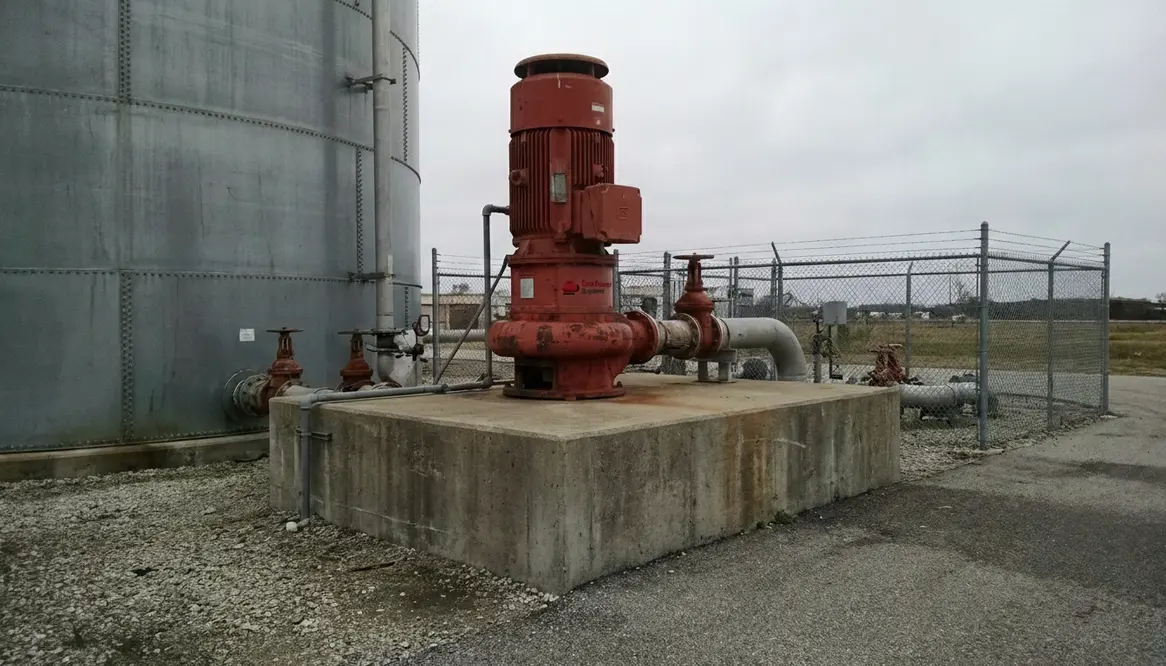
Vertical Turbine Pump Fire Water Tank Guide
I have spent enough time around industrial facilities to know one thing for certain. When a fire system fails, it does not politely ask for a second chance. It simply exposes every weak link. That is why I keep coming back to one quiet workhorse that rarely gets the spotlight it deserves, the vertical turbine pump fire water tank. It sits there, often out of sight, yet ready to move serious volumes of water with calm precision. And if you think that sounds dramatic, well, fire protection tends to bring that out in me.
Why I Trust Vertical Turbine Pumps in Fire Protection Systems
I like equipment that does its job without fuss. Vertical turbine pumps do exactly that. They pull water from deep fire water storage tanks and deliver it with steady pressure, which is critical in large commercial and industrial facilities. Offices, data centers, manufacturing plants, and high rise buildings all rely on consistent flow. Without it, even the best sprinkler system becomes little more than expensive plumbing.
What makes these pumps stand out is their vertical design. Instead of fighting gravity, they work with it. The motor sits above, while the pump stages sit below water level. As a result, priming issues disappear. Meanwhile, efficiency climbs. I have seen facilities cut downtime simply by switching to this configuration.
And yes, they are built tough. These systems handle high demand without flinching. Think of them as the action hero who never breaks a sweat. No dramatic monologues, just results.
How does a vertical turbine pump fire water tank system actually work?
Let me walk you through it in plain terms. Water sits in a dedicated fire tank, often underground or in a large above ground reservoir. The pump assembly extends down into that water source. When activated, the impellers spin and push water upward through a column pipe, delivering it to the fire protection network.
However, the real magic lies in staging. Multiple impellers work together to build pressure gradually. This allows the system to meet strict fire codes without sudden surges that could damage infrastructure. In other words, it is power with control, not chaos.
Moreover, these pumps integrate easily with controllers and backup power systems. So even during outages, performance remains steady. That reliability is not just a feature. It is a requirement.
Design Considerations for Large Scale Fire Water Storage
Designing around a fire water tank is not something I take lightly. Every detail matters, from tank depth to pump placement. A poorly designed setup can lead to cavitation, reduced flow, or worse, total failure during an emergency.
First, I look at water demand. Industrial facilities often require high flow rates sustained over time. Therefore, the pump must match both volume and pressure requirements. Next, I consider tank dimensions. Deeper tanks often pair well with turbine pumps, since they allow optimal submergence.
Then there is material selection. Corrosion resistance becomes critical, especially in harsh environments. Stainless steel components often provide longer service life. Meanwhile, proper alignment and installation ensure smooth operation from day one.
Finally, compliance drives everything. Standards from organizations like NFPA are not suggestions. They are the rulebook. And ignoring them is like ignoring the plot in a Christopher Nolan film. Confusing at first, disastrous later.
Comparing Pump Options for Fire Water Tanks
When I evaluate systems, I do not just default to one solution. I compare. Still, vertical turbine pumps often come out ahead for deep tank applications.
Vertical Turbine Pumps
Best for deep tanks, high flow, steady pressure, minimal priming issues
Horizontal Split Case Pumps
Good for accessible water sources, easier maintenance, larger footprint
End Suction Pumps
Compact and cost effective, but limited for large scale industrial demand
While each has its place, I find that turbine pumps shine when reliability and depth come into play. They are not always the cheapest option upfront. However, over time, they tend to justify every dollar spent.
What maintenance actually matters for long term performance
I have seen perfectly good systems fail because maintenance was treated like an afterthought. That is a mistake you do not want to make.
Regular inspection of bearings, shafts, and impellers keeps everything aligned and efficient. Lubrication schedules must be followed closely. Additionally, vibration monitoring helps detect issues before they escalate.
Testing is equally important. Flow tests and pressure checks confirm that the system performs as expected. If something feels off, it probably is. Trust that instinct.
For facilities looking to stay compliant and efficient, working with specialists like industrial fire pump system experts ensures that maintenance meets both operational and regulatory standards.
Choosing the right vertical turbine pump fire water tank setup
I always remind clients that no two facilities are identical. A data center has different risks than a chemical plant. Therefore, the pump and tank configuration must reflect those differences.
Risk, load, and capacity
Start by evaluating risk level and fire load. Then match the system capacity accordingly. Consider redundancy as well. Backup pumps provide peace of mind and meet many code requirements.
Space and accessibility
Space constraints also play a role. Vertical systems often save valuable floor space, which is a major advantage in dense urban properties. Meanwhile, accessibility for maintenance should never be overlooked.
At the end of the day, the goal is simple. Deliver water where and when it is needed, without hesitation. A well chosen vertical turbine pump fire water tank arrangement becomes the backbone of that promise.
Vertical Turbine Pump Fire Water Tank Essentials
Putting it all together, the vertical turbine pump fire water tank pairing delivers a rare combination of depth capability, reliability, and control. When designed and maintained correctly, it quietly stands by in the background, ready to move water with the kind of steady confidence that fire protection demands.
FAQ
Conclusion
When I look at fire protection across commercial and industrial properties, I see more than equipment. I see responsibility. A well designed system built around the right pump can make all the difference when seconds count. If you are planning or upgrading your setup, now is the time to act. Explore proven solutions, work with experienced professionals, and make sure your facility stands ready, calm and prepared, no matter what comes next.