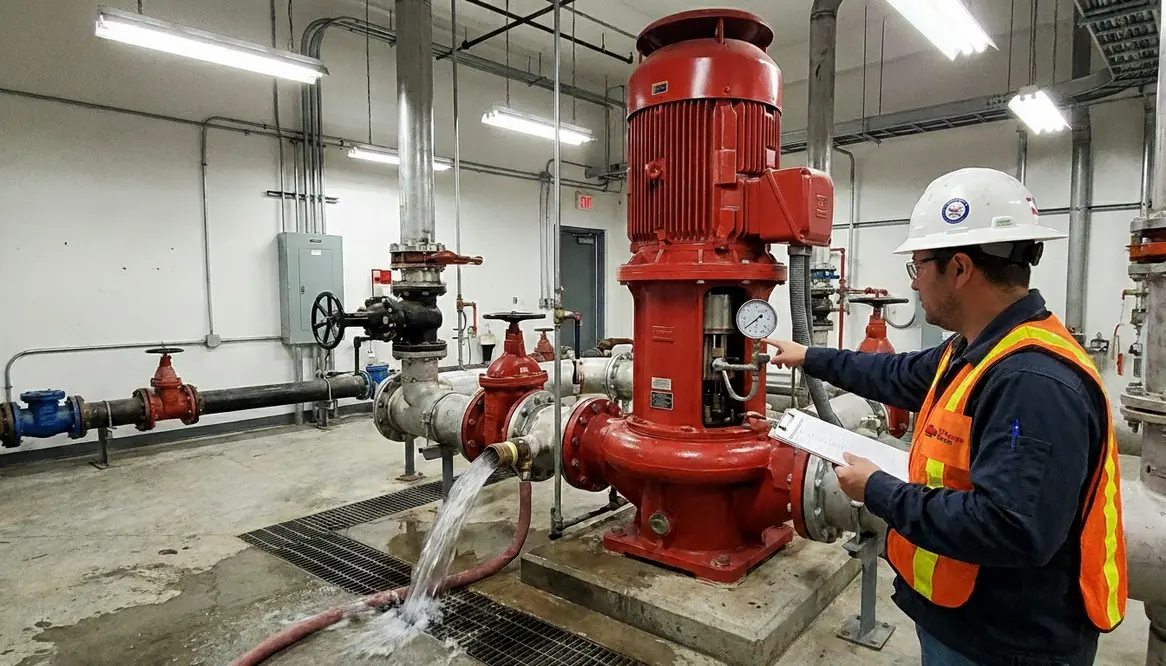
Vertical Turbine Fire Pump Testing Guide for Facilities
I have spent enough time around pump rooms to know one thing for certain. When water needs to move fast, there is no room for guessing. That is where vertical turbine fire pump testing steps into the spotlight. In large commercial and industrial facilities, these systems are not just equipment. They are the last line of defense when everything else goes wrong. So today, I will walk you through what really matters, why it matters, and how to keep everything flowing exactly when it should.
What Makes Vertical Turbine Systems Unique in Fire Protection
Vertical turbine pumps are built for one job. They pull water from deep sources like wells, tanks, or reservoirs and deliver it with force and consistency. Unlike horizontal pumps, they rely on a vertical shaft and multiple impellers stacked along the column. As a result, they can handle high demand without breaking a sweat.
Now, here is where things get interesting. Because these pumps live partially submerged, you cannot just glance at them and say, “Yep, looks good.” Instead, you need structured testing to confirm performance. Otherwise, you are trusting a system you cannot fully see. And that is a gamble no facility manager wants to take.
In large scale properties, reliability is not optional. It is expected. So testing becomes less of a chore and more of a ritual. Think of it like tuning a classic car before a long road trip. You could skip it, sure, but you might not like how that story ends.
Vertical Turbine Fire Pump Testing Requirements Explained Clearly
Let me simplify it. Testing requirements exist to confirm three things. Flow, pressure, and reliability under load. However, achieving that confirmation takes more than flipping a switch.
First, I always start with a visual inspection. This includes checking alignment, lubrication, and discharge components. Then, I move into operational testing. During this phase, I measure churn pressure, rated flow, and peak demand conditions. Each point tells a story about the pump’s health.
Additionally, standards require periodic full flow testing. This ensures the pump can meet system demand during real emergencies. And yes, it can feel like putting your system through a stress test at the gym. But unlike skipping leg day, skipping this test will come back to haunt you.
Finally, documentation matters. Every reading, every adjustment, every anomaly must be recorded. Not just for compliance, but for trend analysis. Over time, small changes reveal big problems before they escalate.
How I Approach Performance Testing Without Guesswork
When I test a vertical turbine system, I follow a rhythm. First, I stabilize the system at churn. Then, I gradually increase flow using test headers or flow meters. At each stage, I capture pressure, speed, and vibration data.
Meanwhile, I keep an eye on power consumption. If the pump starts drawing more energy than expected, it is often a sign of internal wear or misalignment. And trust me, pumps do not hide their bad habits forever.
Here is a simple breakdown I often use:
What I Check
- Discharge pressure stability
- Flow rate accuracy
- Motor performance
- Vibration levels
Why It Matters
- Confirms system readiness
- Prevents underperformance
- Detects early failure signs
- Extends equipment life
By following this structure, I remove guesswork. And in this field, guesswork is just a polite way of saying future problem.
Common Mistakes I See in Commercial Facilities
Now, let me be honest. I have seen some things. Some facilities treat testing like a checkbox exercise. They run a quick test, jot down numbers, and call it a day. That approach might pass a casual review, but it will not hold up when the system is pushed to its limits.
Another mistake is ignoring gradual performance decline. Pumps rarely fail overnight. Instead, they whisper warnings through reduced efficiency and subtle vibration changes. However, if no one is listening, those whispers turn into very loud and very expensive problems.
And then there is the classic. Skipping full flow tests because they are inconvenient. I get it. They take time and coordination. But avoiding them is like skipping fire drills and hoping everyone just improvises. That is not a strategy. That is wishful thinking dressed up as confidence.
How Often Should Vertical Turbine Fire Pump Testing Be Done
The short answer is regularly. The real answer depends on usage, risk level, and governing standards. In most commercial and industrial settings, I recommend weekly churn tests and annual full performance tests.
Additionally, I advise more frequent checks for high demand facilities like manufacturing plants or high rise buildings. These environments place greater stress on fire protection systems, so testing must match that intensity.
Consistency is the key here. Testing once and forgetting about it is like going to the dentist only when something hurts. By then, the damage is already done.
FAQ About Vertical Turbine Fire Pump Testing
What is the purpose of fire pump testing
To confirm the pump delivers the required flow and pressure during emergencies.
How long does a full performance test take
Typically a few hours depending on system size and setup.
Can testing disrupt building operations
It can, but proper planning minimizes impact on commercial facilities.
What tools are used during testing
Flow meters, pressure gauges, vibration sensors, and control panels.
Is documentation required after testing
Yes, detailed records are essential for compliance and maintenance tracking.
Why Vertical Turbine Fire Pump Testing Matters For Your Facility
In many commercial and industrial properties, suction sources are below grade or remote, which makes vertical turbine fire pump testing far more than a paperwork requirement. Because the pump bowls and impellers sit out of sight, you rely entirely on structured testing to tell you what is really going on. A clean test curve, steady pressures, and stable vibration readings are your proof that buried equipment is ready for its worst day.
The stakes are high. When sprinklers open or standpipes charge, you do not get a second attempt at performance. That is why I always recommend pairing consistent vertical turbine fire pump testing with clear documentation and trend tracking. Over a few years you will see patterns: small drops in flow, creeping amperage, or increasing vibration that tell you when to repair or overhaul components before the system lets you down.
If you want more technical depth or reference material, resources such as https://firepumps.org can complement your site-specific testing program and help align your inspections with industry expectations.
Conclusion
If you manage a commercial or industrial property, you cannot afford uncertainty in your fire protection system. I recommend treating testing as an investment, not an obligation. When done right, it protects assets, people, and operations. If you are ready to take your system seriously, work with professionals who understand the stakes and deliver precise, reliable results every time. Your building deserves nothing less.