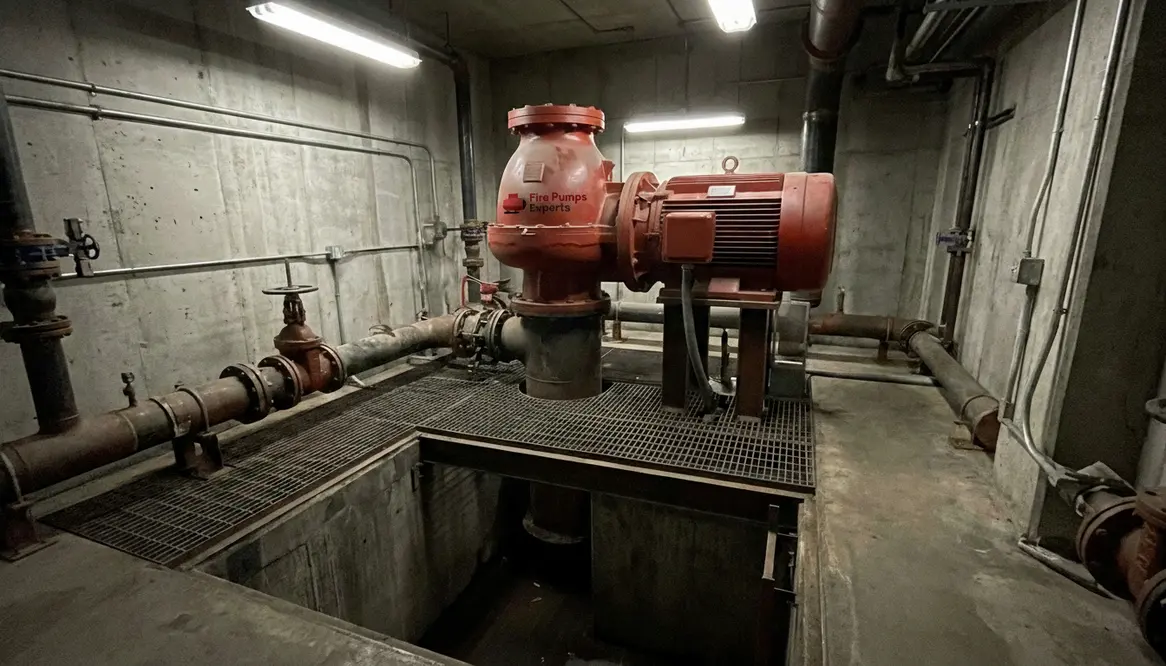
Vertical Turbine Fire Pump Installation Guide
I have spent enough time around fire protection systems to know this truth: when things go wrong, nobody cares how sleek your building looks. They care whether the system works. That is exactly why vertical turbine fire pump installation matters so much in commercial and industrial settings. These pumps are not decorative. They are the quiet guardians sitting below grade, ready to move serious water when everything else is falling apart. So today, I will walk you through what actually matters, without fluff, without confusion, and with just enough humor to keep you awake.
What makes vertical turbine systems different from other fire pumps
I like to think of vertical turbine pumps as the deep sea divers of the fire protection world. While horizontal pumps stay comfortably above ground, these systems go down into wells or pits and pull water up with precision.
Because of that, installation is not just about bolting equipment to a pad. Instead, it involves:
- Careful alignment of long vertical shafts
- Column assembly that must remain perfectly straight
- Bowl placement below the water level for proper suction
- Discharge head stability at the surface
As a result, even a minor misalignment can turn into vibration, wear, or failure over time. And trust me, vibration in a fire pump is like a drummer who refuses to stop. Eventually, something breaks.
Where vertical turbines really shine
These pumps thrive where water sits below grade or where surface-mounted pumps cannot maintain reliable suction. Wells, deep reservoirs, and underground tanks are their natural habitat, especially on campuses, refineries, and high-value industrial facilities.
That is why getting vertical turbine fire pump installation right is more than a construction task. It is a reliability strategy.
How do I plan a vertical turbine fire pump installation correctly
Start with the water source
I always start with the water source. Without a reliable source, the rest is just expensive decoration. Whether I am working with a well, a river intake, or a storage tank, I make sure the supply meets both flow and pressure demands.
Next, I focus on site conditions. For example, soil stability and pit design matter more than most people expect. If the foundation shifts, the pump alignment follows, and not in a good way.
Codes, teams, and coordination
Then comes compliance. Codes like NFPA 20 guide every decision I make. Not because I enjoy paperwork, but because these standards exist for a reason. They have seen every mistake already.
Finally, I coordinate with mechanical and electrical teams early. Nothing slows a project like discovering your power supply is in the wrong place after installation begins. That is the construction version of realizing you forgot your keys after locking the door.
Core installation steps that actually determine performance
Once planning is solid, execution takes over. This is where experience separates smooth installs from future headaches.
Mechanical precision
- Set the pump bowl assembly at the correct depth
- Ensure column sections are aligned and properly torqued
- Install shaft bearings with correct lubrication
- Secure the discharge head firmly to the foundation
System integration
- Connect discharge piping without strain
- Align motor and pump shaft accurately
- Verify electrical connections meet load demands
- Install controllers and test safety features
At this stage, patience pays off. Rushing alignment or skipping checks might save a few hours today, but it will cost days later. I have seen it happen more times than I care to admit.
Common mistakes I see in turbine fire pump setup
Let me be blunt. Most problems are not mysterious. They are predictable and avoidable.
First, improper alignment shows up again and again. Even slight deviation in the shaft can create long term wear. Secondly, poor foundation work leads to vibration. Concrete is not glamorous, but it is critical.
Another issue is ignoring water level fluctuations. If the pump bowls sit too close to the surface, performance drops. If they sit too deep without proper design, maintenance becomes a nightmare.
And then there is testing. Some teams treat it like a formality. I treat it like the final exam. If the system fails during testing, it is doing you a favor before a real emergency arrives.
For deeper technical standards and best practices, I often reference commercial fire pump system guidelines, especially when working on large scale facilities where failure is not an option.
Inspection and maintenance after installation
Once the system is installed, the job is not finished. In fact, it is just getting started.
I schedule regular inspections to check alignment, lubrication, and vibration levels. Over time, even a well installed system can drift. However, catching issues early keeps everything running smoothly.
I also make sure performance tests happen under real conditions. Flow, pressure, and response time must meet expectations. Otherwise, the system is just pretending to work.
And yes, documentation matters. Keeping clear records helps track trends and prevents guesswork later. Think of it as leaving breadcrumbs for your future self.
Why proper installation pays off in the long run
I have seen both sides. A properly executed vertical turbine fire pump installation runs quietly, reliably, almost invisibly. On the other hand, a poorly installed system becomes a constant source of stress, repairs, and cost.
In commercial and industrial environments, downtime is expensive. More importantly, safety is non negotiable. That is why I treat installation as an investment, not an expense.
Because when the moment comes, and it always does, the system has one job. It either works, or it does not. There is no middle ground, no partial credit, no second take like a movie scene.
FAQ
Final thoughts and next steps
If you are planning or reviewing a fire protection system, now is the time to take installation seriously. A well executed setup protects assets, operations, and lives without asking for attention. If you need guidance for your facility, work with experts who understand large scale systems and refuse to cut corners. The right decisions today will stand quietly in the background tomorrow, doing exactly what they were built to do.