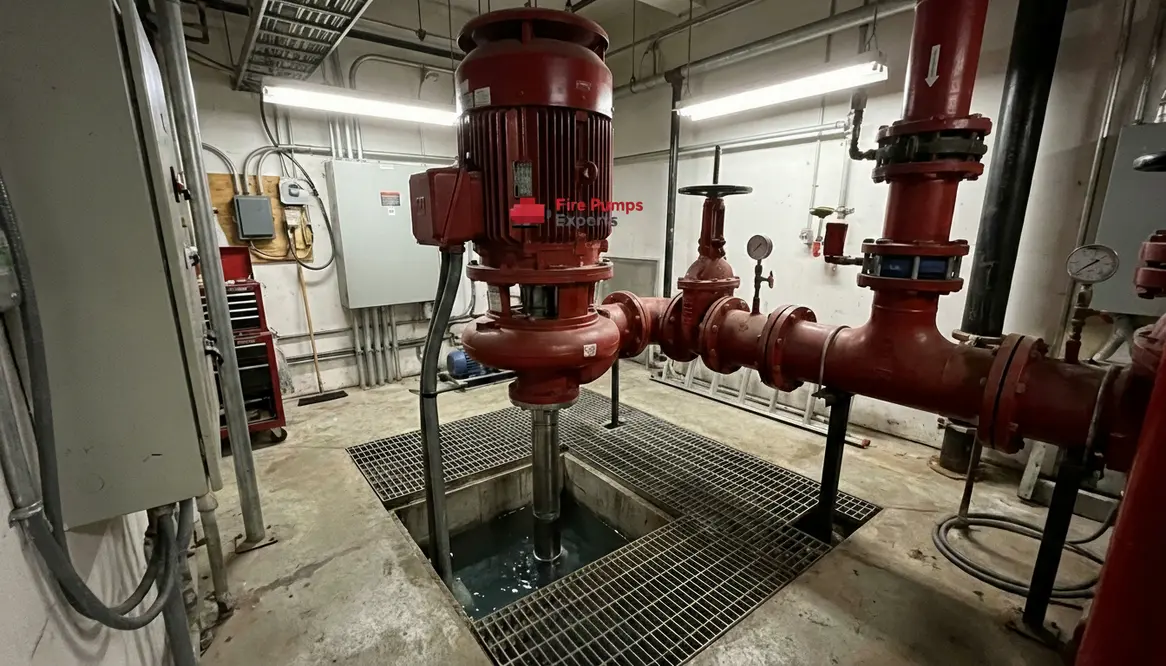
Vertical Turbine Fire Pump Guide for Reliable Protection
I have spent enough time around fire protection systems to know one thing for certain. When water needs to move fast, and failure is not an option, I turn to a vertical turbine fire pump. It is not flashy. It will not win design awards. But when a high rise tower or a sprawling industrial facility needs reliable water delivery from deep sources, this pump shows up like the quiet hero in a movie who saves the day without asking for applause.
So let me walk you through it in a way that actually makes sense, without putting you to sleep halfway through.
What is a Vertical Turbine Fire Pump and Why Should I Care?
At its core, this pump is built to pull water from below ground sources like wells, tanks, or reservoirs. Instead of sitting above the water and pulling like many pumps do, it reaches down into the source and pushes water upward. That difference matters more than most people realize.
Because of this design, I can rely on it when municipal supply is weak or nonexistent. That is why you will often find it protecting large commercial campuses, data centers, manufacturing plants, and high value properties where downtime is simply not tolerated.
And yes, if pumps had personalities, this one would be the calm professional who never raises their voice but somehow gets everyone to listen.
Why this pump actually stands out
- Pulls from deep or unreliable sources without complaining
- Keeps pressure steady when buildings reach for the clouds
- Thrives where municipal supply taps out
- Made for mission critical sites, not casual use
How Does a Vertical Turbine Fire Pump Actually Work?
I like to think of it as a relay team operating in perfect sync. The motor sits at the top. Below it, a long shaft connects to multiple impellers submerged in water. When the motor spins, those impellers move water stage by stage until it reaches the discharge point.
As a result, the system can handle deep water levels without losing efficiency. Each stage builds pressure, which means I can tailor the setup depending on how tall the building is or how far the water needs to travel.
Stage by stage pressure building
Moreover, this design reduces the risk of losing prime, which is a common headache with other pump types. In simple terms, it starts strong and stays strong.
Where I Use Vertical Turbine Systems in Real Projects
When I evaluate a property, I look at water availability first. If the supply sits far below grade or comes from a dedicated reservoir, this is usually my go to solution.
Ideal Applications
- High rise commercial towers
- Industrial processing facilities
- Large distribution centers
- Power plants and energy sites
Why It Fits
- Handles deep water sources
- Maintains strong pressure over height
- Reliable during extended operation
- Supports large scale fire protection demand
In fact, when I reference guidance from trusted resources like commercial fire pump system experts, the recommendation is clear. These systems are built for serious environments where compromise is not part of the vocabulary.
Key Components That Make It So Reliable
I always say the strength of this pump lies in its teamwork. Each part plays a role, and if one fails, the system feels it.
The motor drives everything from above, keeping critical components accessible. The column pipe houses the shaft and directs water upward. Meanwhile, the impellers do the heavy lifting below the surface, pushing water stage by stage.
Additionally, the discharge head connects everything to the fire protection system. It may not look glamorous, but it is where all that pressure finally shows up ready to work.
Compact footprint advantage
Because these components operate in a vertical alignment, they reduce footprint. That is a big win in facilities where space is already spoken for, like a packed server farm or a manufacturing floor that never sleeps.
Performance Benefits You Will Actually Notice
Now let us talk about results, because that is what matters when alarms go off.
- First, these pumps deliver consistent pressure even when drawing from deep sources. That stability is critical in tall buildings where water needs to climb multiple floors without hesitation.
- Second, they offer long term durability. With proper maintenance, I have seen them operate reliably for years. They are built for endurance, not quick wins.
- Third, they adapt well to varying demand. Whether the system needs a sudden surge or steady flow, the staged design responds without drama.
And honestly, in a world where everything seems to need constant updates, it is refreshing to work with equipment that simply does its job.
Installation and Maintenance Without the Headache
I will not pretend installation is effortless. It requires planning, precision, and experienced hands. However, once in place, the system becomes surprisingly manageable.
Because the motor sits above ground, inspections and servicing are more accessible. That alone saves time and reduces disruption in busy commercial environments.
Keeping it running smoothly
In addition, routine checks focus on alignment, lubrication, and wear components. When done correctly, these steps keep the system running smoothly without unexpected surprises.
Think of it like maintaining a classic car. Give it attention, and it rewards you with reliability. Ignore it, and well, you already know how that story ends.
FAQ Quick Answers
What makes this pump different from horizontal pumps?
It pulls water from deep sources and pushes it upward, making it ideal for low water level situations.
Where is it most commonly used?
Large commercial buildings, industrial facilities, and properties with dedicated water reservoirs.
Is it difficult to maintain?
Not really. The above ground motor simplifies inspections and routine servicing.
Does it handle high pressure needs?
Yes. Multi stage impellers allow it to build strong, consistent pressure.
Can it operate for long durations?
Absolutely. It is designed for extended use in critical fire protection systems.
Final Thoughts and Next Steps
If you are responsible for protecting a major facility, choosing the right system is not just a technical decision. It is a commitment to safety and continuity. I recommend exploring a vertical turbine fire pump solution that fits your site conditions, water source, and demand profile. Work with experienced professionals, ask the right questions, and invest in a system that performs when it matters most. Because in this line of work, reliability is not optional. It is everything.
Whether you are dealing with a high rise, a data center, or a heavy industrial site, a well designed vertical turbine fire pump installation can be the difference between a close call and a disaster. Treat it like the quiet hero it is, give it proper maintenance, and it will stand ready when your facility needs it most.