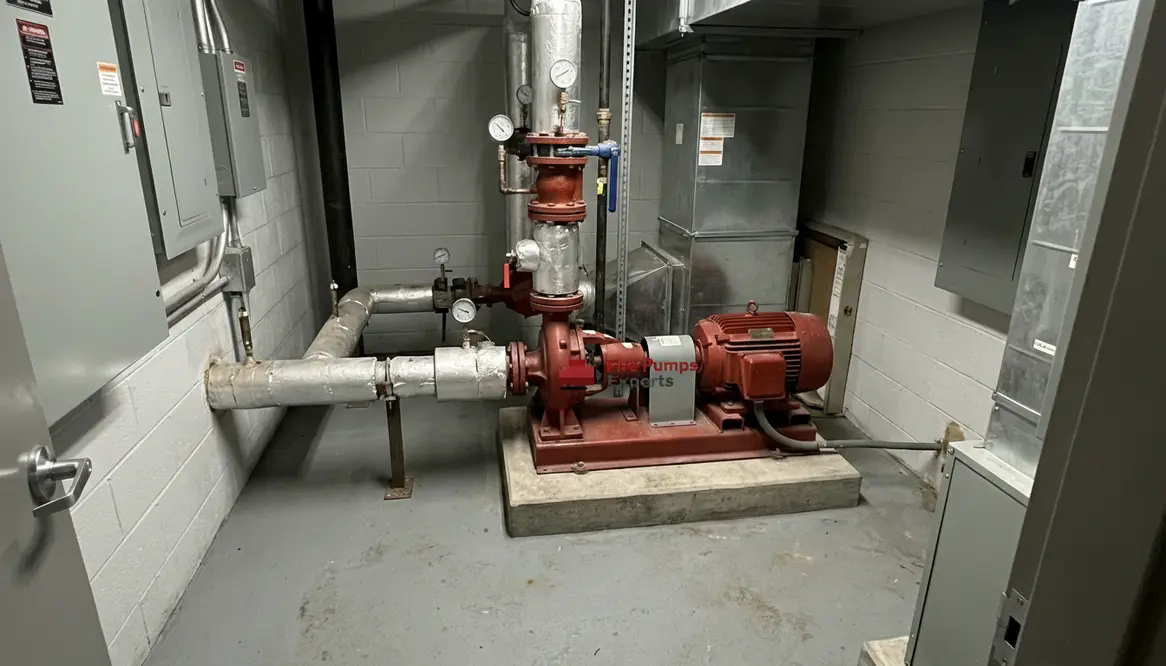
End Suction Pump Commercial Building Guide
I have spent years around mechanical rooms that hum like quiet orchestras, and I can tell you this with confidence: the right end suction pump commercial building setup can make or break daily operations. In small commercial spaces, where every square foot and dollar matters, these pumps quietly carry the weight of water circulation, pressure stability, and system efficiency. And while they may not get the cinematic spotlight like Iron Man’s arc reactor, they are just as essential to keeping things running smoothly.
What makes an end suction pump ideal for small commercial spaces?
Let me answer this straight away. An end suction pump works best in compact environments because it is simple, efficient, and easy to maintain. The design pulls water in from one end and pushes it out through the top, which means fewer moving parts and less room required.
Because of this, I often recommend them for office buildings, retail centers, and light industrial properties. Moreover, installation tends to be straightforward. You are not dealing with a maze of piping that looks like it belongs in a sci fi movie.
In addition, these pumps handle moderate flow and pressure needs very well. That balance makes them a reliable choice when you do not need oversized equipment eating up your budget or floor space.
Key benefits I look for in an end suction pump commercial building setup
When I evaluate systems, I focus on performance and practicality. Thankfully, these pumps deliver both without unnecessary complexity.
Core advantages at a glance
Here is what stands out:
- Space efficiency because mechanical rooms are rarely generous
- Lower upfront cost compared to more complex pump systems
- Ease of maintenance since parts are accessible and widely available
- Energy efficiency when properly sized and paired with controls
Furthermore, I find that property managers appreciate how predictable these systems are. No surprises. No drama. Just steady operation, like a seasoned actor who always hits their mark.
How I choose the right pump size and performance
Choosing the correct pump is not guesswork. I look at flow rate, head pressure, and system demand first. Then, I match those requirements to the pump curve to ensure efficient operation.
However, oversizing is a common mistake. Bigger is not better here. In fact, an oversized pump wastes energy and shortens equipment life. It is like bringing a monster truck to a bicycle race. Impressive, but completely unnecessary.
Instead, I recommend working with specialists who understand commercial and industrial systems. Resources like commercial fire pump system experts can guide proper selection and compliance, especially when safety systems are involved.
Why sizing matters for your end suction pump commercial building design
When the pump matches the building’s actual demand, you get quieter operation, fewer failures, and lower utility bills. When it does not, you pay for extra capacity you will never use and watch components wear out faster than they should.
Installation insights I wish more people knew
Installation is where good equipment can either shine or struggle. I have seen perfect pumps fail because of poor setup.
What I always prioritize
- Proper alignment to reduce vibration
- Correct pipe sizing to avoid flow restriction
- Solid foundation to limit movement
What I avoid at all costs
- Improvised supports that shift over time
- Ignoring manufacturer guidelines
- Cramped layouts that block maintenance access
Additionally, I make sure there is enough clearance for servicing. Because someday, someone will need to fix or inspect that pump. And trust me, no technician enjoys playing mechanical Twister in a tight corner.
Maintenance routines that keep systems running smoothly
I like to think of maintenance as a quiet insurance policy. You do not notice it when things are working, but you definitely notice when it is missing.
Regular inspection is key. I check seals, bearings, and vibration levels consistently. Also, I monitor performance data because small changes often signal bigger issues ahead.
Lubrication schedules matter just as much. Skipping them is like ignoring oil changes in your car. It might run fine for a while, but eventually, it will let you down at the worst possible time.
Because of this, I encourage building owners to set routine service plans. It keeps downtime low and extends equipment life, which ultimately protects your investment.
How maintenance supports your end suction pump commercial building setup
Consistent checks and records turn your pump from a mystery box into a predictable, manageable asset. That predictability is what keeps tenants comfortable and operations teams calm.
Energy efficiency and long term savings
Energy costs add up quickly in commercial buildings. Therefore, I always consider efficiency from day one.
Variable frequency drives can optimize pump speed based on demand. As a result, the system avoids running at full power when it is not needed. That alone can significantly cut energy use.
Moreover, properly sized pumps reduce wasted power. When everything aligns, the system runs like a well rehearsed band instead of a garage group still tuning instruments.
In the long run, these savings are not just nice to have. They become a major factor in operational budgeting.
Linking efficiency to your end suction pump commercial building strategy
When the pump, controls, and piping are tuned to each other, you get a tighter grip on monthly costs and avoid the slow leak of wasted energy that quietly eats into profits.
FAQ about end suction pumps in commercial settings
Over time, I have heard the same questions again and again from facility teams and owners who rely on an end suction pump commercial building system but do not always live in the details of pump design. Here are clear answers to the most common ones.
Final thoughts and next steps
If you are managing a property, upgrading or installing the right pump system is not just a technical decision. It is a strategic one. I recommend evaluating your current setup, consulting experienced professionals, and choosing equipment that fits your building’s real needs. Take action now, and you will avoid costly surprises later while keeping your operations steady, efficient, and ready for whatever comes next.