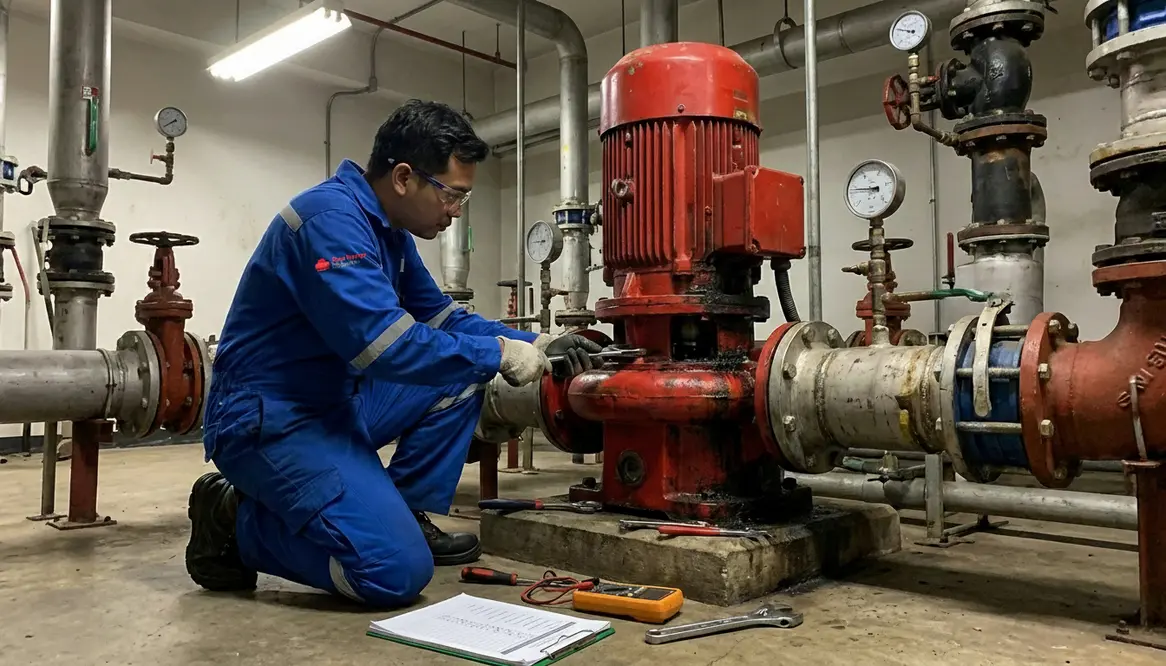
Vertical Inline Fire Pump Repair Guide
I have spent enough time around pump rooms to know one simple truth. When a fire pump goes quiet at the wrong moment, everything else suddenly gets very loud. That is why vertical inline fire pump repair is not just a maintenance task. It is a responsibility. In large commercial and industrial buildings, these systems stand between order and chaos. So today, I will walk you through how I approach diagnosing, repairing, and keeping these pumps in fighting shape, with a calm hand and just a touch of humor to keep things human.
Understanding the Role of Vertical Inline Fire Pump Systems
Before I reach for a wrench, I remind myself what this machine actually does. A vertical inline fire pump is designed to move water efficiently through a building without taking up much floor space. It sits neatly in line with the piping, almost like it is minding its own business. But when called upon, it delivers pressure with authority.
Because these pumps are often installed in high rise buildings, hospitals, and industrial facilities, failure is not an option. That is why I treat every inspection like a quiet conversation with the system. It tells me what it needs if I pay attention.
And yes, sometimes it tells me loudly. Usually at 2 AM. Pumps have a sense of humor like that.
How do I know my fire pump needs repair?
I look for patterns, not just problems. A single odd noise might be nothing. A series of small changes, however, is the system asking for help.
Here is what I watch for:
- Unusual vibration which often points to misalignment or worn bearings
- Pressure drops that signal internal wear or impeller issues
- Leaks around seals which rarely fix themselves, no matter how optimistic you are
- Overheating motors that suggest electrical or mechanical strain
Additionally, I always compare current performance with baseline data. If the pump is drifting away from its original curve, it is time to act. Ignoring it is like ignoring a check engine light. It will not end with a happy plot twist.
Vertical Inline Fire Pump Repair Steps That Actually Work
When I step into a repair job, I follow a method. Not because I enjoy routines, but because systems reward consistency. A structured approach is what turns vertical inline fire pump repair from guesswork into a reliable process.
Inspection and Isolation
I begin by shutting down the system safely. Then I inspect the pump casing, motor, and connections. I check alignment and verify that the power supply is stable.
Disassembly with Purpose
I take apart only what I need. Every bolt has a reason. Every component tells a story. I keep parts organized because guessing later is not my idea of fun.
Component Evaluation
I examine the impeller, shaft, seals, and bearings. Wear patterns often reveal deeper issues like cavitation or imbalance.
Precision Reassembly
I reassemble with alignment tools and torque specifications. Close enough is not good enough here. Water under pressure has no patience for shortcuts.
After that, I test the system under controlled conditions. If it runs smoothly and meets performance standards, then and only then do I call it complete. Done right, vertical inline fire pump repair extends equipment life, stabilizes performance, and keeps everyone sleeping better at night.
Common Causes Behind Pump Failure in Commercial Buildings
Over the years, I have seen patterns repeat themselves across facilities. Different buildings, same mistakes.
First, poor maintenance schedules. Skipping routine checks is like skipping oil changes in a truck that drives cross country daily. It will catch up with you.
Second, improper installation. Even the best equipment struggles when it starts life misaligned. This is why I often recommend reviewing commercial fire pump system standards and services to ensure everything is set up correctly from day one.
Third, water quality issues. Debris and corrosion can quietly damage internal components. The pump keeps working until one day it simply does not.
And finally, electrical inconsistencies. Power fluctuations can stress motors over time, leading to failure at the worst possible moment. Because of course it is always the worst moment.
Keeping Repairs from Becoming Emergencies
I prefer calm, scheduled maintenance over adrenaline fueled midnight repairs. So I build prevention into every system I manage.
Routine testing and data
I schedule regular performance testing and vibration analysis. I also document everything. Numbers do not lie, and they rarely forget.
Training the on-site team
In addition, I train facility teams to recognize early warning signs. A well informed team is like having extra sets of eyes that never blink. Well, almost never.
Maintenance as investment
Most importantly, I treat maintenance as an investment, not a cost. Because when a fire system fails, the price is never just financial. Thoughtful vertical inline fire pump repair today is far cheaper than explaining tomorrow why the system did not run.
What makes vertical inline fire pump repair different from other systems
I get this question often, and the answer is simple. It is all about design and access.
Compact design, tighter tolerances
Vertical inline pumps are compact and efficient, but that efficiency comes with tighter tolerances. There is less room for error, and components must align perfectly within a vertical configuration.
Working inside the piping system
Also, because they are integrated directly into piping systems, removing or servicing parts requires careful planning. I cannot just pull a unit out like a horizontal pump. I have to think ahead, isolate correctly, and work within the system.
It is a bit like performing surgery in a narrow hallway. You can do it, but you better know exactly what you are doing. When vertical inline fire pump repair is handled by someone who understands those constraints, the work feels precise instead of chaotic.
FAQ Quick Answers
How often should I service a vertical inline fire pump?
I recommend quarterly inspections and annual full testing for commercial facilities.
What is the most common repair issue?
Seal failure and bearing wear are the most frequent problems I encounter.
Can I repair a fire pump without shutting down operations?
In most cases, no. Safety and compliance require proper system isolation.
How long does a typical repair take?
Minor repairs take a few hours. Major overhauls can take one to two days.
Is vibration always a bad sign?
Yes, excessive vibration usually indicates misalignment or internal wear.
Conclusion
When I handle a pump system, I am not just fixing equipment. I am protecting people, property, and peace of mind. If your facility depends on reliable fire protection, now is the time to act. Schedule an inspection, address small issues early, and keep your system ready for the moment it matters most. Because when the pressure rises, your pump should not hesitate, and neither should you. Thoughtful vertical inline fire pump repair today is far better than urgent heroics tomorrow, and the quiet confidence of a ready system is worth every minute spent getting it right.