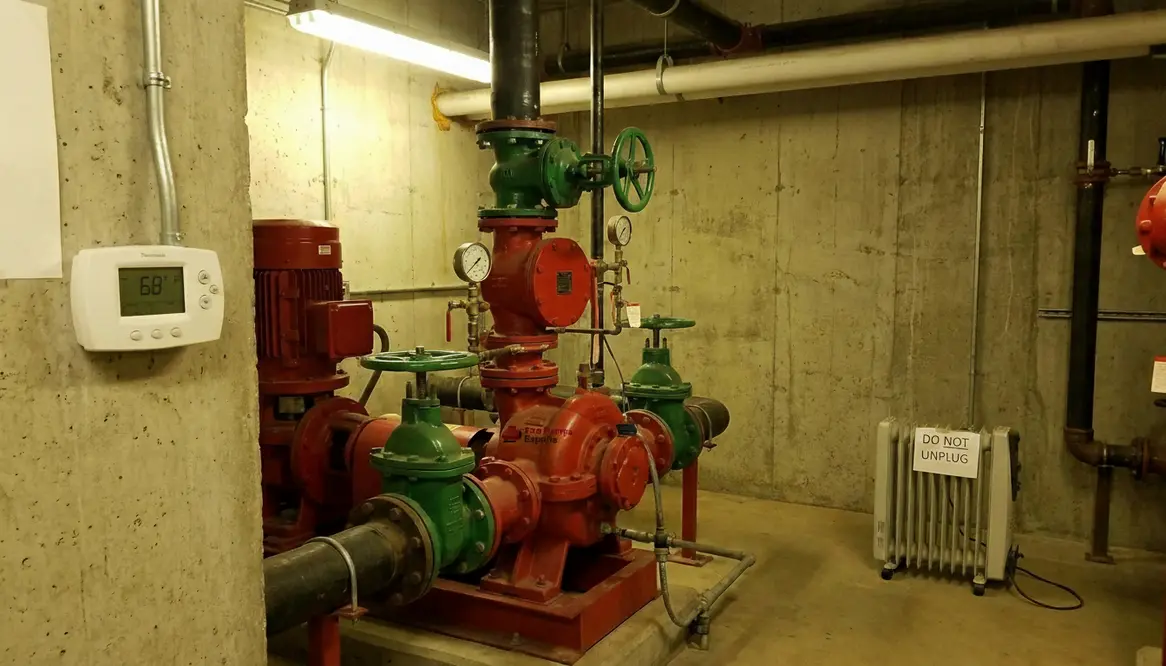
Fire Pump Room Temperature Requirements Guide
I have spent enough time around mechanical rooms to know one thing for certain. Fire pumps do not enjoy surprises. They like consistency, control, and above all, the right environment. That is where fire pump room temperature requirements come into play. In commercial and industrial facilities, these requirements are not just suggestions whispered by engineers. They are essential conditions that keep life safety systems ready when everything else goes wrong. And trust me, when a fire pump decides to act like a sleepy teenager on a cold morning, nobody is amused.
Why Temperature Control Matters More Than You Think
At first glance, a fire pump looks tough. Heavy steel, solid build, serious presence. However, even the toughest systems have their limits. Temperature directly affects pump performance, lubrication, and electrical components. If the room gets too cold, seals stiffen and fluids thicken. If it gets too hot, motors overheat and efficiency drops.
Because of this, codes like NFPA 20 set clear expectations. I always tell facility managers that ignoring temperature control is like buying a sports car and never changing the oil. It might run for a while, but eventually, it will fail when you need it most.
In addition, stable conditions help prevent condensation. Moisture and electrical systems are about as compatible as cats and bath time. Keeping the room within the proper range protects both mechanical and electrical integrity.
What Are the Ideal Fire Pump Room Temperature Requirements
Let me answer this the way most people ask it. What temperature should a fire pump room actually be? The short answer is simple. You must maintain a minimum of 40 degrees Fahrenheit or 4 degrees Celsius at all times.
However, that is just the baseline. In practice, I recommend aiming higher for consistency. A range between 50 and 90 degrees Fahrenheit keeps equipment operating smoothly and reduces stress on components.
Furthermore, heating systems should be reliable and automatic. I have seen facilities rely on portable heaters, and that is a gamble. One power hiccup, and suddenly your fire pump room feels like a freezer aisle.
Cooling matters too. In warmer climates or tightly enclosed mechanical spaces, heat buildup can become a silent problem. Ventilation or dedicated cooling systems prevent overheating and extend equipment life.
How I Design for Stability in Large Facilities
When working with commercial and industrial buildings, I focus on consistency over cleverness. A simple, well controlled system always beats a complicated setup that nobody fully understands.
Heating Approach
- Dedicated unit heaters tied to backup power
- Thermostats set above minimum thresholds
- Insulated walls to reduce heat loss
Cooling and Airflow
- Mechanical ventilation for heat removal
- Air circulation to prevent hot spots
- Monitoring systems for real time alerts
At the same time, I always integrate alarms. If the room drifts outside acceptable limits, someone should know immediately. Think of it as a smoke alarm for temperature. Quiet when things are fine, loud when they are not.
Common Mistakes That Quietly Break Compliance
Now here is where things get interesting. Most failures do not come from dramatic breakdowns. They come from small oversights that stack up over time.
For example, I often see rooms designed correctly but poorly maintained. A heater fails, nobody notices, and winter does the rest. In other cases, ventilation openings get blocked or altered during renovations.
Another common issue involves shared spaces. A fire pump room should not double as storage. I know the temptation. Empty space feels like opportunity. But stacking boxes around critical equipment is like putting a winter coat on your thermostat and expecting accurate readings.
Finally, inconsistent inspections create blind spots. Regular checks ensure that temperature control systems actually do what they are supposed to do.
How Fire Pump Room Temperature Requirements Impact Inspections and Insurance
Inspectors do not just glance at your fire pump and nod approvingly. They evaluate the entire environment. If your setup fails to meet fire pump room temperature requirements, it raises immediate concerns.
Because of this, noncompliance can lead to failed inspections, costly corrections, and even insurance complications. Insurers expect life safety systems to perform under pressure. If environmental conditions undermine reliability, coverage risks increase.
On the other hand, maintaining proper conditions builds confidence. It shows that the facility takes safety seriously and understands the bigger picture. And in my experience, that kind of diligence pays off when it matters most.
If you need deeper design references, resources like https://firepumps.org provide technical guidance that aligns with recognized standards and best practices around fire pump room temperature requirements.
FAQ Quick Answers for Fast Decisions
Final Thoughts and Next Steps
When I look at a fire pump room, I do not just see equipment. I see a system waiting for its one critical moment. Keeping that system within proper temperature limits is not complicated, but it does require attention and discipline. If you manage a commercial or industrial facility, now is the time to review your setup, upgrade controls, and ensure compliance with the right fire pump room temperature requirements. Because when the alarm sounds, your fire pump should respond like a hero, not hesitate like it just woke up.