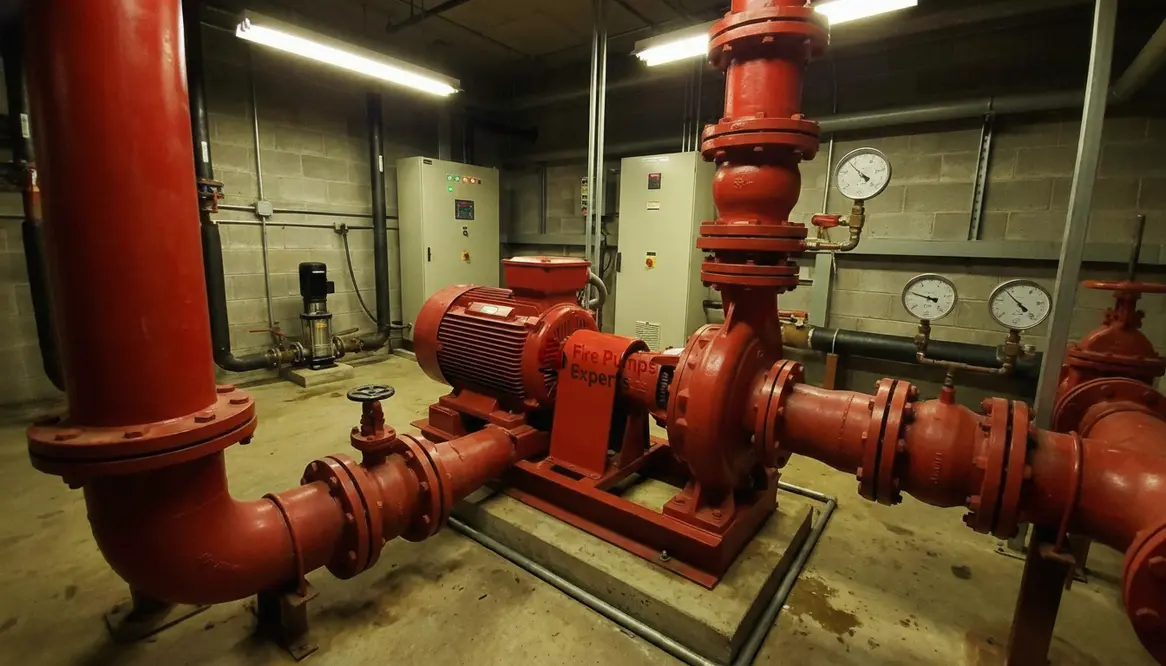
EN 12845 Fire Pump Requirements Guide
EN 12845 Fire Pump Requirements Explained
I work with one simple truth in mind: when a fire system fails, the clock gets loud very fast. That is why EN 12845 requirements matter so much for commercial and industrial facilities, as well as major property buildings. This standard sets the rules for how sprinkler systems should perform, and the fire pump sits at the heart of that promise. If the pump does not deliver the right pressure and flow, the whole system starts acting like a superhero with a cold. Not ideal. In this guide, I will explain the main EN 12845 fire pump requirements in plain language, so you can understand what matters, why it matters, and how to keep your building ready.
What EN 12845 means for fire pump design
EN 12845 sets the benchmark for automatic sprinkler systems in many commercial and industrial sites. In simple terms, it tells me how the system should store water, move water, and deliver water when a fire starts. The fire pump must support the most demanding parts of the system, and it must do so under real world pressure, not wishful thinking.
First, the pump must match the system demand. That means I look at the sprinkler design density, the hazard class, the water supply, and the pressure needed at the most remote point. Then, I check whether the pump can hold that performance long enough for the fire system to do its job. This is not a “close enough” situation. Fire does not accept approximate math, and neither should we.
Also, EN 12845 expects the pump to work as part of a complete setup. So, I do not look at the pump alone. I look at the tank, controls, valves, power source, and testing setup too. Each part must support the next one, like a well trained cast in a solid action movie.
Fire pump performance requirements you should check
To understand the standard properly, I focus on performance first. The pump must deliver the right flow and pressure at the same time. That sounds simple, but in practice it takes careful design and testing.
Core checks against EN 12845 requirements
Here is what I check most often:
- The pump must meet the system duty point.
- The pump must handle the required flow without losing stable pressure.
- The pump must start automatically when pressure drops.
- The pump must keep working for the required duration.
- The pump must stay reliable under site specific conditions.
Furthermore, the suction arrangement must support smooth water intake. If the inlet side causes trouble, the pump can cavitate or lose output. That is the mechanical version of trying to sing karaoke with a mouthful of crackers. No one wins.
And yes, testing matters. I always treat test results as proof, not decoration. A pump that looks strong on paper but fails under load does not help a warehouse, plant, or major building when smoke starts moving.
How I size a system with EN 12845 requirements
Step
1
2
3
4
5
What I look for
Building risk level and sprinkler hazard class
Water demand for the most severe protected area
Required pressure at the sprinkler heads
Tank or supply capacity for the full run time
Pump duty point and backup arrangements
When I size a system, I start with the hazard. A light commercial site does not need the same setup as a large factory or logistics hub. However, the standard still demands that the pump meets the real duty point for that building. So, I calculate the water demand, then I add the pressure losses from pipes, valves, and fittings. After that, I confirm the water source can support the required run time.
Next, I check the pump type and the control logic. For many sites, a main pump and a backup arrangement make sense. That way, if one unit fails or loses power, the fire protection does not fold like a cheap lawn chair. I also verify that the installation allows safe access for testing and maintenance, because a hidden pump room only helps no one.
What installation and testing rules matter most
Keeping EN 12845 requirements alive on site
Installation quality can make or break compliance. I always say that a great pump in a poor setup is like a race car with square wheels. It may be impressive on the brochure, but not in real life.
EN 12845 expects the pump room, pipework, and controls to support dependable operation. So, I look for enough space around the pump, clear access for inspection, proper ventilation, and protection against flooding or heat. I also want strong power supply arrangements and clear automatic start logic. In many cases, the control panel should show faults early, before a small issue turns into a very expensive headache.
Testing must also follow a regular routine. I want proof that the pump starts correctly, reaches the right pressure, and stays within acceptable limits. Routine testing helps spot wear, seal issues, switch faults, and power problems before they become a real emergency. In other words, I prefer boring test logs over dramatic fire drills. Trust me, boring is beautiful here.
Why commercial and industrial buildings need expert support
Commercial and industrial sites face bigger fire risks, more complex layouts, and heavier system demand. Because of that, EN 12845 fire pump requirements need careful interpretation, not guesswork. A distribution center, plant room, data rich facility, or large mixed use property can all have different load patterns and water needs. Therefore, I always recommend expert review at design, installation, and testing stages.
If you want a deeper technical view, I suggest using this EN 12845 fire pump compliance resource as a starting point for commercial and industrial properties. It can help you align system design with the standard and avoid costly mistakes later. After all, nobody wants to explain a compliance miss after the alarm sounds. That meeting would have a very awkward mood.
In many of these buildings, the most efficient path is to fold EN 12845 requirements directly into operational routines. When the standard is part of everyday checks rather than a distant document, the fire pump becomes a consistently reliable tool instead of a box in the plant that everyone hopes will work.
FAQ
Conclusion
If you manage a commercial, industrial, or major property building, I suggest treating EN 12845 fire pump requirements as a living part of your fire strategy, not a one time checkbox. Review your pump performance, confirm your water supply, and test the system with care. Better yet, bring in specialists who work with these systems every day. The right support now can save money, time, and trouble later, and it can help keep your building ready when it matters most.