EN 12845 Fire Pump Requirements Explained
I like to think of fire pumps as the quiet bodyguards of a commercial building. They do not ask for applause, yet when trouble shows up, they have one job and they take it seriously. In EN 12845 requirements, the pump is not just a box of metal with ambition. It is a core part of a sprinkler system for commercial and industrial facilities, and it must deliver the pressure and flow that keep people, assets, and operations protected. So, let me walk you through what matters, why it matters, and how I keep the whole thing simple without turning it into a fire safety opera.
EN 12845 fire pump requirements in plain English
The standard sets the rules for sprinkler systems in major buildings, and the pump sits at the heart of that setup. First, the pump must supply enough water at the right pressure for the full demand of the system. Next, it must start reliably, because a pump that thinks about starting is about as useful as a lighthouse in a cave.
I also need to see the pump matched to the hazard level of the building. For example, a warehouse, factory, or large commercial site may need a different pump duty than a lower risk property. Therefore, the design must account for the sprinkler demand, water source, pipe losses, and any extra pressure needs from height or distance. In other words, the pump should not guess. It should perform.
When people ask me what EN 12845 requirements really mean, I tell them this: the system must work under real fire conditions, not just on paper. That means the pump must have the right duty point, enough reserve, proper controls, and a tested supply source. Simple in concept, serious in practice.
How I check pump sizing and water supply
First, I look at the building demand. Then, I check whether the water source can support that demand for the required time. After that, I verify the pump curve against the system need. This step matters because a pump can look impressive and still miss the mark. A bit like a movie trailer that promises Batman but gives you a man in a cape and a sandwich.
The water supply must stay stable, and the pump must be able to draw from it without losing performance. For commercial and industrial facilities, that often means one of these sources:
Water source
Mains supply
Stored water tank
Combined arrangement
Why it matters
Useful where pressure and flow stay reliable enough for the fire load
Gives a protected supply when mains pressure cannot be trusted
Helps improve resilience for larger or higher risk sites
Because EN 12845 fire pump requirements focus on reliability, I always treat the supply as part of the pump system, not a side note. If the source fails, the pump cannot save the day, and that is not the plot twist anyone wants.
What equipment and controls the pump needs
A compliant fire pump setup needs more than the pump itself. It needs controls that start the pump automatically when pressure drops. It also needs clear alarms, correct power supply, and proper protection so the pump does not fail at the worst possible moment. For larger commercial sites, this can include duty and standby arrangements, which give an extra layer of security.
Then there is the power issue. If the pump uses electricity, the supply must stay dependable. If it uses diesel, the fuel system and engine must also meet the standard. Either way, the controls must support fast start up and smooth operation. That is why I never treat pump controls like the “optional extras” section at a car dealership. They are part of the deal.
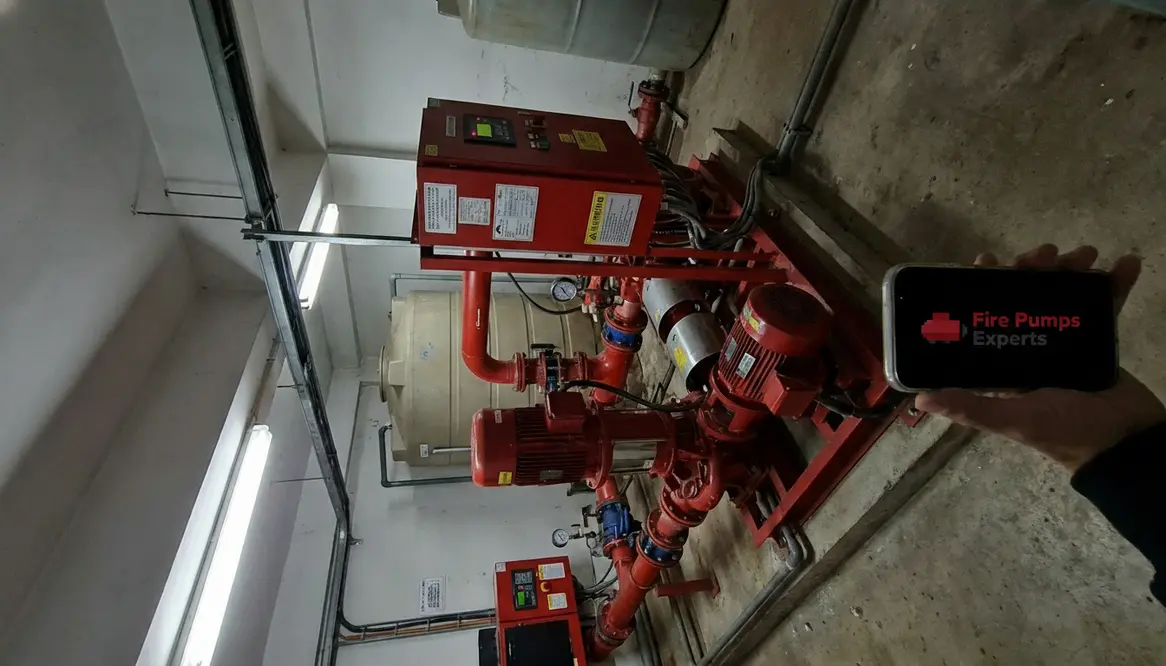
I also check the room or enclosure. It must give enough access for inspection, testing, and repair. Moreover, the layout should keep the equipment safe from heat, flood risk, and damage. A pump room should feel like a disciplined command center, not a storage closet that swallowed a filing cabinet.
How testing and maintenance protect compliance
Testing proves the system can do the job. Maintenance keeps it ready for the next call. That sounds obvious, yet this is where many sites drift off course. I recommend regular checks on starting, pressure, water level, valves, fuel, batteries, and alarms. In addition, flow tests help confirm the pump still meets the expected duty point.
EN 12845 requirements place real value on ongoing care because equipment ages, seals wear, and settings shift. Therefore, I never suggest “set it and forget it.” That phrase belongs to toaster commercials, not fire protection. A commercial or industrial facility needs a planned routine with records that show the pump has stayed ready over time.
Most importantly, any fault should trigger fast action. If a pressure switch fails or a fuel issue appears, the site team should fix it quickly. That keeps compliance strong and reduces risk to the building, operations, and people inside.
Quick reference for commercial and industrial sites
Key design checks
- Confirm sprinkler demand and hazard classification
- Select a pump duty point that meets EN 12845 fire pump requirements
- Allow for pipe friction losses and static height
- Verify water source capacity and reliability
Operational must-haves
- Automatic start based on pressure drop
- Robust power supply or diesel system
- Accessible, protected pump room layout
- Routine testing to keep EN 12845 fire pump requirements satisfied
FAQ
Final takeaway for commercial sites
If I had to sum it up, I would say this: EN 12845 fire pump requirements protect your building by making sure the pump performs when it counts. For commercial and industrial facilities, that means the right size, the right supply, the right controls, and the right testing. So, if you manage a major property and want confidence instead of crossed fingers, review your pump setup now, tighten the weak spots, and keep your fire protection ready for the moment it matters most.
To go deeper into pump selection, testing routines, and layouts that work in real buildings, you can explore specialist resources such as https://firepumps.org, and then compare those insights with your current installation to see where upgrades or corrections will bring you in line with EN 12845 requirements.