LPC Rules Fire Pump Requirements for Industrial Sites
LPC Rules Fire Pump Requirements for Industrial Sites matter a great deal when I look at the safety of large commercial and industrial facilities. In the real world, a fire pump is not some fancy add on for the building brochure. It is the muscle behind the sprinkler system when water pressure falls short. Under LPC Rules industrial sites must meet strict standards so the system can do its job when smoke, heat, and panic show up uninvited. And yes, fires never schedule themselves for a convenient time, which is rude, but here we are. In this article, I will walk through the core rules, the design checks, the testing steps, and the common mistakes I see in major properties.
Why LPC fire pump rules matter on industrial sites
I treat fire pump rules as the backbone of industrial fire protection. First, these sites often hold heavy stock, machines, fuel, or high value goods, so the fire load can rise fast. Also, many industrial buildings sit far from public water mains or face weak supply pressure. That means the fire pump has to step in with steady flow and pressure, not drama. Think of it as the Batman of the system: quiet most days, very busy when trouble hits.
Under LPC Rules industrial guidance, I always check the water supply first. The pump must support the required sprinkler demand plus any hose demand that the design calls for. In simple terms, the pump cannot just look strong on paper. It must deliver the right flow at the right pressure for the right time. If it cannot, the whole system starts acting like a phone with 2 percent battery. Not ideal.
Key risks on industrial sites
Industrial layouts often change, storage heights creep up, and new processes appear with very little warning. If the fire pump design stays frozen while the risk grows, the gap between expectation and reality widens. LPC Rules industrial requirements are there to keep that gap small, forcing a realistic look at fire load, water demand, and how long the system must hold the line until firefighters take over.
When a fire takes hold in a high rack warehouse or a plant with flammable liquids, the only thing that really matters in the first minutes is whether enough water arrives at the right pressure. A well designed, LPC compliant pump gives the sprinklers a fighting chance instead of turning them into decorative ceiling art.
What LPC fire pump requirements usually include
When I review an industrial site, I look at a few core parts of the pump setup:
- Pump capacity: The pump must match the design flow for the building risk level.
- Pressure level: It must raise water pressure enough to feed the sprinkler system properly.
- Reliable water source: The tank, reservoir, or public supply must support the pump demand.
- Power supply: Electric and diesel options need dependable starting and backup plans.
- Controller and alarms: The system must show faults, low pressure, and pump status clearly.
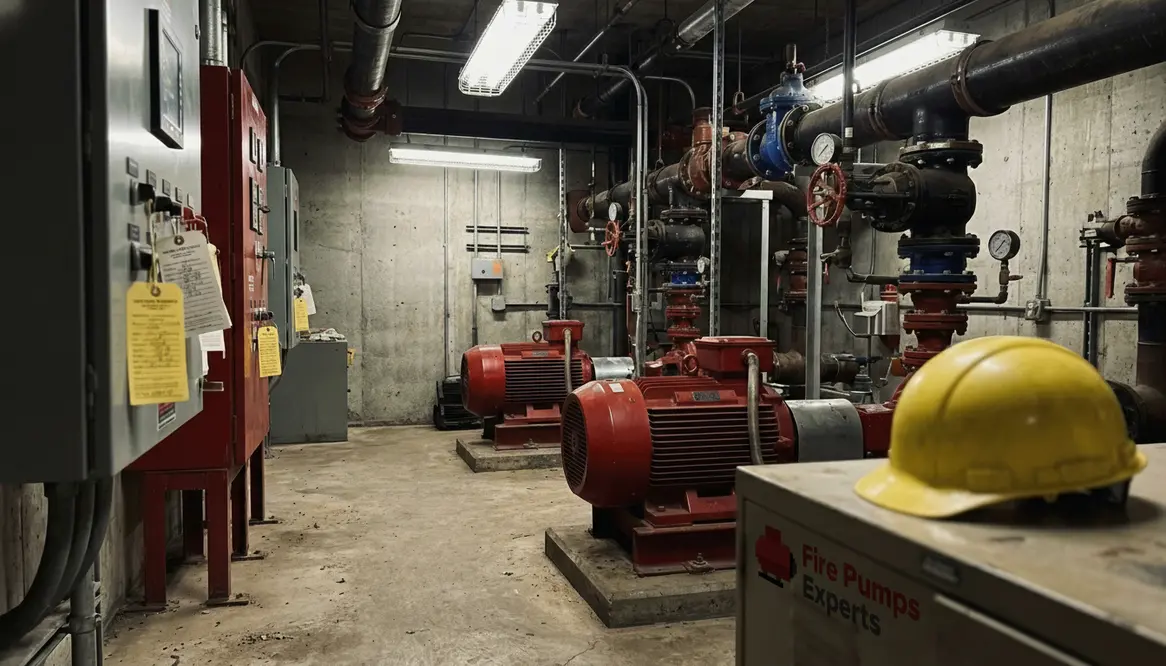
Moreover, pump room layout matters too. I always want enough space for access, maintenance, and safe testing. If the room feels cramped, service work becomes a slow dance in a closet, and nobody needs that. In addition, the pump room should stay dry, secure, and easy to inspect. Heat, flooding, and blocked access can all weaken performance when the stakes are highest.
How I check LPC compliance for industrial fire pumps
I follow a step by step process because fire protection fails when people guess. First, I review the building use and fire risk profile. Then I confirm the required flow, pressure, and duration from the design basis. After that, I check whether the chosen pump can meet those numbers under real site conditions.
Next, I look at suction conditions. A pump can only work well if water reaches it in the right way. So I check pipe size, valves, strainers, and water level. I also verify that the pump has proper test lines and that the site can perform regular flow checks. If the pump has never been tested, it may be doing its best impression of a statue.
In the middle of the process, I compare the setup with the fire strategy for the whole site. That includes the sprinkler design, the water supply, and the level of protection needed for the building contents. Because industrial sites vary so much, a warehouse, a plant room, and a high value storage facility may all need different fire pump support. One size rarely fits all, and fire safety is not a budget fashion line.
Industrial fire pump setup in practice
Here is how I break down the practical side of an LPC fire pump design:
- Electrical supply: I want a stable source with clear protection and backup planning.
- Diesel backup: Where used, I check fuel storage, battery health, and engine start reliability.
- Valves and pipework: I confirm full bore flow and simple, safe isolation for maintenance.
- Testing access: I make sure staff can test the pump without blocking other systems.
- Monitoring: I expect clear alarms, fault signals, and status checks at a glance.
Furthermore, I always push for regular inspection. Fire pumps need eyes on them, not just faith and good vibes. Weekly, monthly, and annual checks help catch issues early, such as battery failure, low fuel, worn seals, or pressure loss. As a result, the site stays ready instead of hoping for the best, which is a bold strategy for a fire event and usually a poor one.
Common LPC fire pump mistakes I try to avoid
I see a few errors again and again. First, some sites choose a pump that looks fine on the spec sheet but cannot handle the actual water demand. Second, some teams forget about maintenance access, so testing becomes slow and skipped. Third, some industrial owners rely too much on one part of the system and ignore the rest. A strong pump cannot fix weak pipework or a poor water source.
Also, I often find confusion between minimum compliance and good practice. A site may barely meet the rule, but that does not always mean it will perform well under stress. Therefore, I recommend a design that gives a little room above the bare minimum. Industrial operations change, storage grows, and systems age. Fire protection should not be stuck in yesterday like a rebooted sitcom.
Linking LPC Rules industrial checks with operations
In busy plants, maintenance windows are short and production pressure is constant. That is exactly when shortcuts on LPC Rules industrial requirements start to appear: test lines valved off “for a week,” diesel sets with empty day tanks, or controller alarms silenced because they beep “too often.” None of that ends well when a sprinkler head operates over a high value line of equipment.
Keeping the LPC Rules industrial intent front and center means tying pump checks to real site routines: walk rounds, shift handovers, or maintenance KPIs. It is far easier to keep a compliant, reliable pump than to explain after a fire why the system never reached design flow.
FAQ
Conclusion and next step
If I want an industrial fire pump system to perform when it matters, I do not leave it to chance. I review the design, check the water supply, test the controls, and keep the whole setup ready for real use. If you manage a commercial or industrial site and want better confidence in your protection, I recommend a fresh review of your LPC fire pump setup today. A small check now can prevent a very expensive headline later. For additional reference material and technical guidance, resources such as https://firepumps.org can support a structured review alongside your formal standards and insurer requirements.