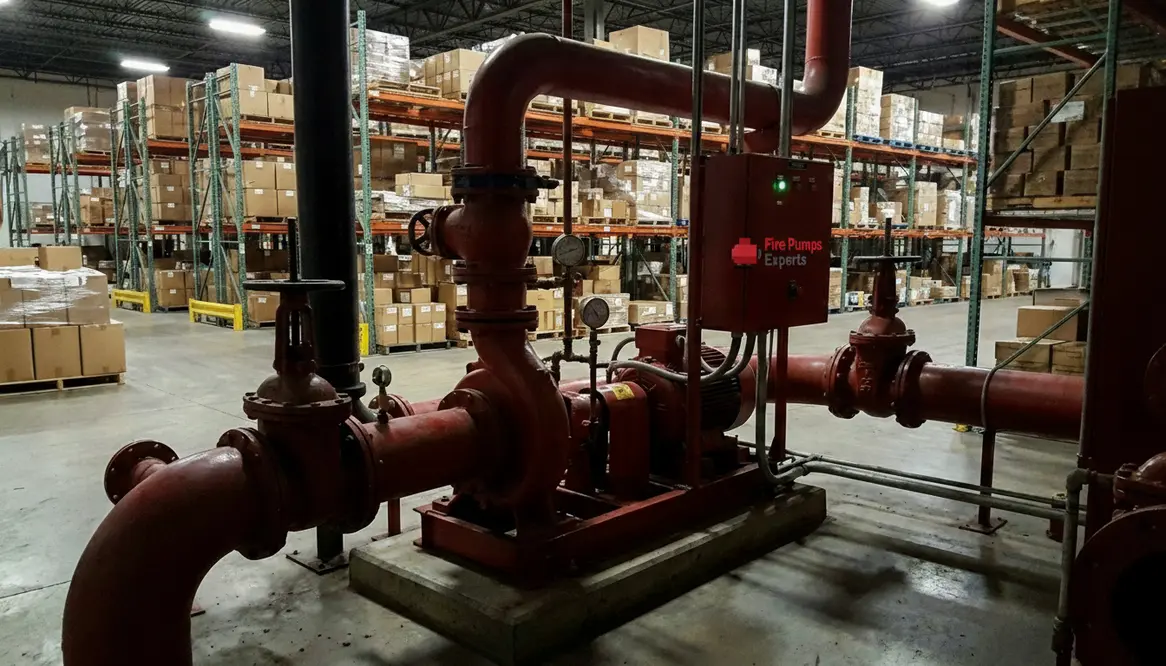
LPC Rules Fire Pump Requirements for Storage Buildings
Practical guidance on getting fire pumps right in storage buildings, with a focus on LPC Rules storage expectations, reliability, and real-world risk.
LPC Rules Fire Pump Requirements for Storage Buildings can feel like one of those topics that sounds dry until you realize it can decide whether a large facility stays protected or turns into a very expensive lesson. I’ve seen enough code talk to know that the details matter. In LPC Rules storage facilities, the fire pump is not a nice extra. It is a core part of the defense plan for commercial and industrial buildings where water demand can jump fast and not all sprinkler supplies are equal. So, let’s walk through what I look for, why it matters, and how to keep the system ready without turning the whole thing into a paperwork soap opera.
What LPC Rules fire pump requirements mean for storage buildings
When I talk about LPC rules, I am talking about a fire protection standard that helps make sure the pump can deliver the right pressure and flow when the system needs it most. In storage buildings, that matters because fire loads can grow fast. Pallets, racks, packaging, and tall storage all change the risk picture. As a result, the pump must support the sprinkler system with steady water supply under real fire conditions.
Most large storage facilities need more than guesswork. I look at building size, storage height, commodity type, rack layout, and available water supply. Then I check whether the pump can cover the demand. If the supply from the main source falls short, the pump steps in like the backup singer who suddenly has to carry the whole concert. No pressure, right?
Why storage risk pushes pump performance
Storage buildings concentrate combustible load in a way that ordinary commercial spaces do not. High racks, plastic packaging, and mixed commodities can all push sprinkler demand higher. LPC Rules storage criteria reflect this by tying water demand to height, layout, and commodity class. If the pump cannot keep up, even a well-designed sprinkler system can underperform when it matters most.
That is why the fire pump is not a standalone gadget. It must be selected and set up as part of a complete fire protection strategy that respects how quickly a storage fire can build, spread, and challenge water supply.
Fire pump sizing and water supply for storage facilities
The first thing I focus on is pump sizing. The pump has to match the worst case sprinkler demand, not the average day in the warehouse when everything looks calm and organized. Storage buildings often need higher flows because the fire can spread through vertical stacks and wide aisles quickly.
Here is the simple version: I compare the sprinkler demand to the water supply and see if the pump can make up the gap. If the water source already has enough pressure and flow, the pump may only need to boost performance. If not, I need a pump that can carry the system through the design demand with enough margin to stay reliable.
In practice, I also pay close attention to:
Dual column view for storage fire pump checks
Left side: What I verify
- Pump flow and pressure
- Available water supply
- Sprinkler system demand
- Storage height and layout
- Hazard level and commodity type
Right side: Why it matters
- Confirms the pump can meet demand
- Shows if the source can support the system
- Prevents weak coverage during fire growth
- Changes fire spread and control needs
- Affects the design point and safety margin
That kind of review keeps the system honest. And honestly, fire protection should never be the place where we “wing it.” That job belongs to karaoke night.
Installation and layout rules I check first
Once the design makes sense on paper, I move to installation. A fire pump only works well if the setup supports it. I check the pump room, suction piping, discharge piping, valves, power source, and clear access for service. In storage buildings, access matters even more because these sites often run large operations with tight schedules and heavy equipment traffic.
I also check that the pump sits in a proper location with enough room around it for inspection and repair. The piping must stay clean and supported. In addition, the power source needs to stay reliable under emergency conditions. If the pump uses electric power, I want a secure supply and a backup plan. If it uses diesel, I want fuel, ventilation, and controls that match the code and the site risk.
Just as important, I verify that the pump controller and alarms work as intended. A system can look strong and still fail if the control gear has problems. That is the part where a neat room and a shiny label do not save the day. The pump needs to start, run, and keep running when the real test arrives.
Testing and maintenance that keep LPC compliance real
Testing is where theory meets reality. I do not trust a fire pump just because someone said it “should be fine.” I want proof. Routine testing shows whether the pump still delivers the pressure and flow needed for a storage building. It also helps catch wear, air issues, power trouble, valve problems, and weak suction before they become a fire problem.
For commercial and industrial storage buildings, I recommend a steady schedule of checks that include:
- Weekly or monthly pump start tests
- Pressure checks and water supply review
- Valve position checks
- Controller and alarm checks
- Annual performance testing
These steps do more than satisfy a file folder. They help keep the building ready. Also, they make audits and insurance reviews a lot less dramatic. And that is always a win.
How I use LPC Rules storage guidance to reduce risk
When I apply LPC Rules storage guidance, I focus on the full system, not just one part of it. The fire pump must fit the water source, sprinkler design, storage layout, and building use. If one part is off, the rest can suffer. That is why I always look at the facility as a whole.
I also advise owners and managers to keep records clear and current. Good drawings, test reports, repair logs, and inspection notes make life easier for everyone. More importantly, they help prove the system meets the expected standard. If a change happens in the building, like higher racks or new commodities, I want the fire protection plan reviewed right away. Storage grows, and so does the fire load. That is not the kind of growth anyone wants to celebrate.
If you are trying to benchmark your installation, resources like https://www.firepumps.org can help frame typical performance expectations, but the real test is always whether your specific LPC Rules storage objectives are fully supported by the pump and water supply you actually have.
Frequently asked questions on LPC Rules storage fire pump setups
Conclusion and next step
If you manage a commercial or industrial storage building, I suggest reviewing your fire pump setup before a problem puts it under the spotlight. Check the water supply, test the pump, and confirm the system still matches the building’s current use. If you need help with LPC rules, now is the time to act. A strong fire pump plan protects property, limits downtime, and gives you real peace of mind when it matters most.