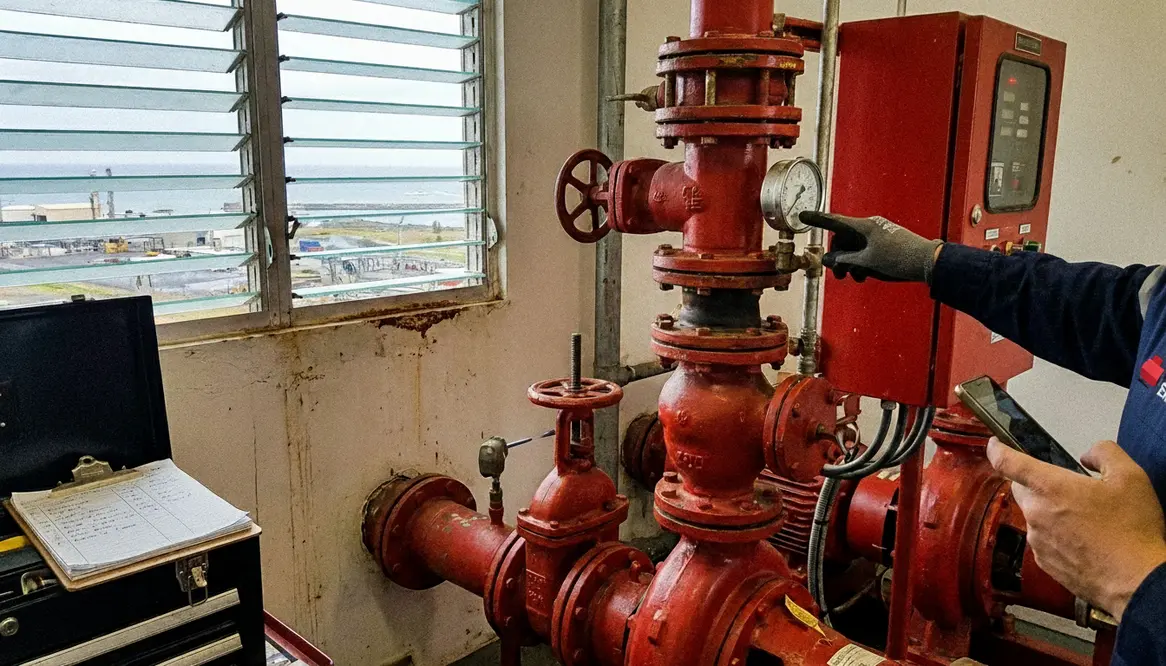
Fire Pump Maintenance in Oceanside Buildings
A practical, field-tested approach to keeping coastal fire pump systems reliable, quiet, and ready when it counts.
Introduction: Why I focus on fire pump maintenance in Oceanside buildings
I work with commercial and industrial properties, and I take fire pump maintenance in Oceanside buildings very seriously. In my experience, reliable fire pumps protect tenants, assets, and your bottom line. I say that with a steady voice because I have seen what happens when pumps are ignored: false confidence, failed tests, and late-night alarms that nobody wants to hear. So I keep things simple, practical, and effective.
Coastal context: why Oceanside pumps need extra attention
Between salt-laden air, coastal humidity, and round-the-clock building operations, fire pump maintenance in Oceanside buildings cannot be “set and forget.” Metal parts corrode faster, electrical issues show up sooner, and standing water does more damage. The good news? With disciplined testing, smart scheduling, and a few coastal-specific upgrades, these pumps can run quietly in the background for years without nasty surprises.
What should I check first when I inspect a fire pump?
I begin with three basics right away: power, water supply, and mechanical condition. First, I confirm the electric or diesel drive is ready. Then, I verify suction conditions and test for cavitation or blockages. Finally, I look at seals, couplings, and bearings for wear. If anything looks off, I act fast, because problems rarely fix themselves. Also, I crack a joke to keep crews awake; maintenance meetings are not known for their comedy, but I try.
My first-pass checklist at the pump room door
- Confirm main power is available and breakers are in the correct position.
- Verify emergency power or diesel supply, including fuel levels and battery condition.
- Check suction valves and strainers so the pump is not starving for water.
- Scan for visible leaks, rust streaks, or fresh water on the floor.
- Listen for unusual sounds on startup: rattling, grinding, or abrupt vibration.
Fire pump maintenance in Oceanside buildings: how I schedule tests and why timing matters
I set a clear routine that follows code and practical realities. Weekly churn tests, monthly lubrication, annual flow tests, and complete overhauls when needed. Because commercial buildings in Oceanside face salt air and coastal humidity, I increase the frequency for visual checks. Moreover, timely scheduling prevents rusted fasteners and clogged strainers. Therefore, I align tests with business hours when possible, so crews can access equipment without disrupting operations.
Baseline schedule I use in Oceanside
- Weekly: Churn test, alarms, quick visual walk-through.
- Monthly: Lubrication, battery checks, controller status review.
- Quarterly: Corrosion-focused inspection of piping, hangers, anchors, and fittings.
- Annually: Full flow test and verification of rated performance.
- As needed: Overhauls based on age, test history, and operating environment.
Why timing is such a big deal
If you test during peak production or peak tenant traffic, you annoy everyone. If you test too rarely, you annoy everyone later for much more expensive reasons. Fire pump maintenance in Oceanside buildings works best when it is woven into the building’s rhythm: scheduled, predictable, and coordinated with operations so the pump room is accessible, but your lobby is not a waterpark.
How do I handle compliance, documentation, and inspections?
I keep meticulous logs and photos, because documentation saves you when an inspector asks for proof. I create concise test reports that show date, pressure, flow, and remedial actions. Then, I deliver them in an executive-ready format so facilities managers can forward them to insurance and code officials without extra editing. In short, I reduce friction and keep compliance simple, because nobody enjoys paperwork, but everyone appreciates a clear record.
Inspector-friendly records I like to hand over
- Test logs with dates, pressures, flows, and any anomalies.
- Before-and-after photos of repairs or upgrades.
- Controller event histories for startups, alarms, and faults.
- Clear notes on corrective actions, parts replaced, and follow-up dates.
What common failures do I prevent with preventive service?
Many failures start small and grow. I stop leaks before they wash out bearings. I replace worn seals before cavitation ruins the impeller. I test diesel starting batteries and fuel systems so generators work when called. Also, I check automatic transfer switches and control panels, because electronics fail too. If you think the worst-case scenario is dramatic, you are right. It is dramatic, and I prefer preventing drama to starring in it.
Small issues I shut down early
- Minor seal leaks that quietly erode bearings.
- Sluggish diesel starts from weak batteries.
- Stiff valves that will not move when you really need them.
- Loose wiring in controllers that turns into intermittent faults.
Why this matters for Oceanside properties
In coastal pump rooms, rust and moisture speed up every failure curve. Fire pump maintenance in Oceanside buildings is not about perfection; it is about catching these issues while they are cheap and quiet, instead of waiting for them to introduce themselves with alarms, water damage, and overtime invoices.
How I tailor maintenance for Oceanside facilities
I adapt services for commercial and industrial buildings near the coast, warehouses, and multi story properties. Because salt accelerates corrosion, I use corrosion-resistant components and more frequent inspections. Because many properties in Oceanside run 24 7 operations, I plan tests with minimal downtime. Also, I work with property managers to schedule partial shutdowns so life safety systems remain uncompromised. In practice, this means I balance operational demands with code requirements so nobody loses sleep or business.
For deeper code-driven guidance on pump design and testing, I often align my field practices with the NFPA 20 framework and modern expectations for pump reliability, similar to the approach outlined in resources like this overview of NFPA 20 fire pump systems. It helps keep local procedures anchored to nationally recognized standards while still tuned to real-world Oceanside conditions.
Practical troubleshooting steps I perform on site
When a pump fails or runs odd, I follow a checklist: check power supply, inspect suction pressure, examine the coupling alignment, listen for abnormal noises, and measure discharge pressure. Next, I run a no load test and then a loaded flow test. If the diesel won’t start, I inspect fuel quality and battery voltage. If the electric motor trips, I check for overheating and insulation breakdown. I take photos and note part numbers, so repairs are fast. And yes, I carry coffee; it helps everyone stay human when the work gets long.
My on-site “pump acting weird” routine
- Verify incoming power or diesel status.
- Check suction and discharge gauges against recent history.
- Inspect coupling and alignment for recent changes.
- Run controlled tests to reproduce the problem on my terms.
- Document symptoms, probable causes, and next steps clearly.
Dual column quick reference for facility teams
Column A: Regular Tasks
- Weekly churn and alarm tests
- Monthly lubrication and battery checks
- Quarterly visual corrosion inspections
- Annual flow and horsepower tests
- Five year overhaul scheduling
Column B: Troubleshooting Steps
- Verify power and breakers
- Inspect suction screen and piping
- Check coupling and alignment
- Measure discharge pressure and flow
- Record and replace failing parts
What spare parts and upgrades I recommend for major properties
I advise stocking common field parts: seals, bearings, impellers, coupling sleeves, and spare pressure gauges. For larger facilities, I recommend a dedicated starter and a spare controller module. Additionally, in Oceanside I suggest stainless fasteners and coated components to fight corrosion. For older systems, I often recommend upgrading to smarter controllers that log events and send alerts. That investment pays off quickly when a pump warns you before it fails.
Building a resilient spare-part shelf
- Critical wear components: seals, bearings, gaskets, and common o-rings.
- A backup pressure gauge set for quick swaps during testing.
- Extra controller fuses, relays, and one spare module where budgets allow.
- Corrosion-resistant hardware chosen specifically for the coastal environment.
How I communicate with property managers and safety teams
I send concise action plans after each visit, with priority levels for repairs. If a critical fault exists, I call immediately and arrange emergency service. Otherwise, I propose scheduled repairs with minimal disruption. Because I speak plainly and avoid heavy jargon, facility teams can make quick decisions. Think of me as your fire pump translator, but with fewer subtitles than a foreign film.
What my follow-up reports usually include
- A clear summary of system condition in plain language.
- Priority-ranked repair list with suggested timelines.
- Notes on any code or insurance concerns I see coming.
- Recommendations to keep fire pump maintenance in Oceanside buildings cost-effective over the long haul.
FAQ
Conclusion
If you manage a commercial or industrial property in Oceanside, don’t leave life safety to chance. I bring clear plans, on site expertise, and tailored schedules that protect your people and assets. Contact me for a site assessment, and I will outline a practical maintenance program that meets code and fits your operations. Let’s keep your pumps reliable, your records clean, and your building safe. Schedule a consultation today and treat fire pump maintenance in Oceanside buildings as a predictable line item instead of a late-night emergency.